



Testosterone warning!
‘Bulk up’ enthusiasts warned to track levels which may increase risk of prostate cancer
GOVERNMENT Senator and urologist Dr Elon Thompson is warning young Jamaican men who use testosterone supplements to ‘bulk up’ to monitor their hormone levels, saying excessively high testosterone levels may increase their risk of prostate cancer later on.
But Thompson said he was not aware of data showing that supplements themselves directly cause prostate cancer, noting that such a link would require studies correlating testosterone levels with prostate cancer rates.
Thompson issued the warning during a post-Cabinet media briefing on Wednesday while responding to a question about younger men using testosterone and other supplements to build muscle.
“If you’re taking testosterone supplements you should be monitoring your testosterone levels, because if you have levels that are overshooting normal, then that just may increase your risk of getting prostate cancer later on — so it would increase your risk if you have higher levels than normal. So, if it is that you’re on supplements you should be tracking your levels with a simple blood test for testosterone,” Thompson said.
His warning comes as Jamaica continues to grapple with a significant prostate cancer burden, with Thompson citing an increase in the age-adjusted death rate among Jamaican men from about 35 deaths per 100,000 males in 1996 to 46 per 100,000 in 2023.
He said 716 Jamaican men died from prostate cancer in 2023 while the figure rose to 809 in 2024, when almost 1,400 new cases were reported. That amounted to more than two deaths from prostate cancer among Jamaican men each day in 2024, according to the figures he presented.
Thompson said the scale of the problem makes prevention, early detection, and regular health checks particularly important, especially because prostate cancer may develop without obvious symptoms in its early stages.
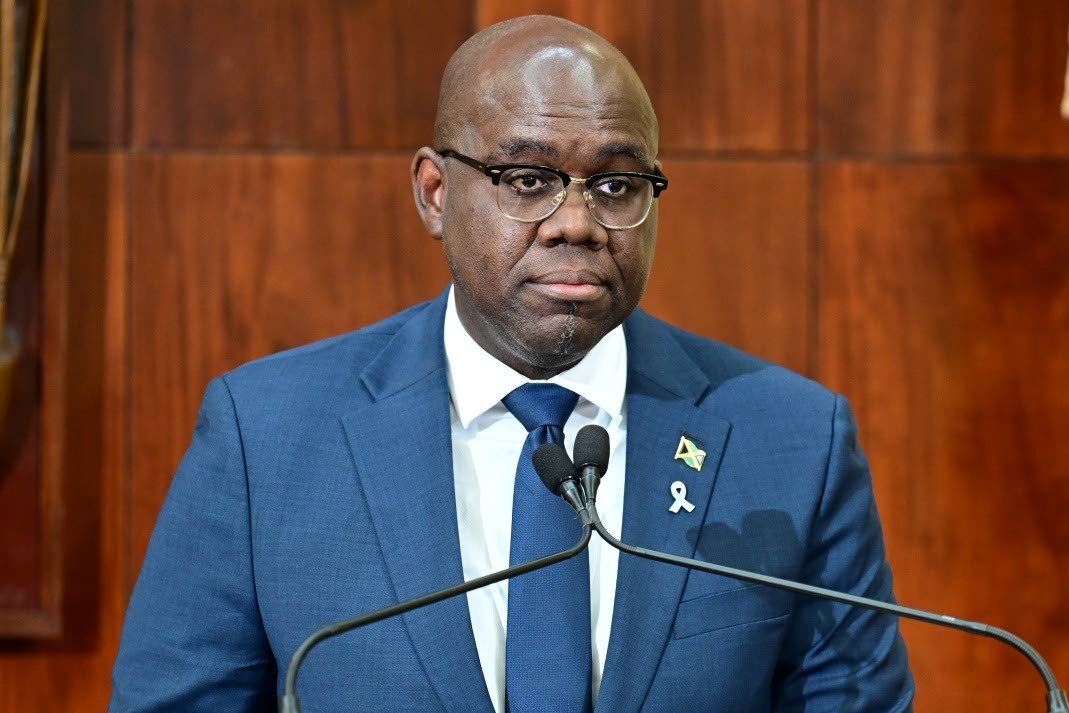
Government Senator, urologist Dr Elon Thompson addressing the post-Cabinet media briefing on Wednesday. (Photo: JIS)
He cautioned that men cannot rely on feeling healthy as an indication that they are free from the disease.
“Feeling alright is not a prostate cancer screening test, and waiting until symptoms appear is not an effective health strategy. We must change the belief that we should only seek medical attention when something feels wrong,” Thompson said.
The urologist also pointed to low levels of screening among Jamaican men. He cited findings from the Jamaica Health and Lifestyle Survey showing that only about 28 per cent of men aged 40 and older reported ever having a digital rectal examination, while 1.9 per cent reported having had a prostate-specific antigen (PSA) test.
Thompson said fear, embarrassment, and misconceptions about seeking medical care remain barriers to men getting checked.
However, he noted that the response cannot rest solely on individual men taking greater responsibility for their health.
“Jamaica’s health-care professionals also have an important role to play. We cannot simply wait for every man to come and ask about prostate cancer, because many of them will not. Every appropriate encounter with a male patient should therefore be viewed as an opportunity to consider whether his prostate health and screening status have been addressed,” he said.
“A man may visit the clinic for high blood pressure, diabetes, to fill a prescription, or an entirely unrelated medical complaint. That encounter provides the opportunity for the health-care professional to ask a very simple but important question. ‘When was the last time you were screened for prostate cancer?’ We should ensure that the established national guidelines translate into clinical practice,” he added.
Thompson said Jamaica’s national screening guidelines should be used from age 40 but suggested that greater awareness of screening could begin much earlier, including through schools.
He said he and Education Minister Senator Dr Dana Morris Dixon had discussed encouraging students to understand the importance of routine health checks, including blood pressure, blood sugar and, later in life, PSA testing and prostate examinations.
For men who do require testing and treatment, Thompson pointed to support available through the National Health Fund (NHF). He said men aged 40 and older with an NHF card can access subsidised PSA testing, while men enrolled with the NHF for prostate cancer can receive up to four PSA tests annually.
He also said NHF subsidies for prostate cancer treatment medications had surpassed $1 billion in the current fiscal year, benefiting approximately 4,860 men, with average savings of about $260,000 per patient.
But Thompson stressed that the broader objective should be to change men’s behaviour before illness becomes advanced.
“We must change that culture. There is nothing masculine about neglecting your health, and there’s nothing courageous about avoiding an examination because you’re embarrassed or afraid. A man cannot speak about responsibility to his family only in terms of providing financially while neglecting the health that may determine whether he is around to enjoy that family,” he expressed.


