



JWN Foundation scholars urged to build brands with purpose
RECIPIENTS of the 2026 JWN Foundation Tertiary Scholarship have been challenged to think deliberately about the image they present, how they communicate and the story their personal brand tells about them.
The advice came during a professional development workshop led by author and media personality Dr Terri-Karelle Johnson on September 12, 2026.
Johnson urged the students to recognise that their personal brands are being shaped every day, both online and offline. She focused on personal branding strategies, effective verbal and written communication, social media presence and digital footprint management, telling the scholars that consistency and cohesion in how they present themselves can create opportunities.
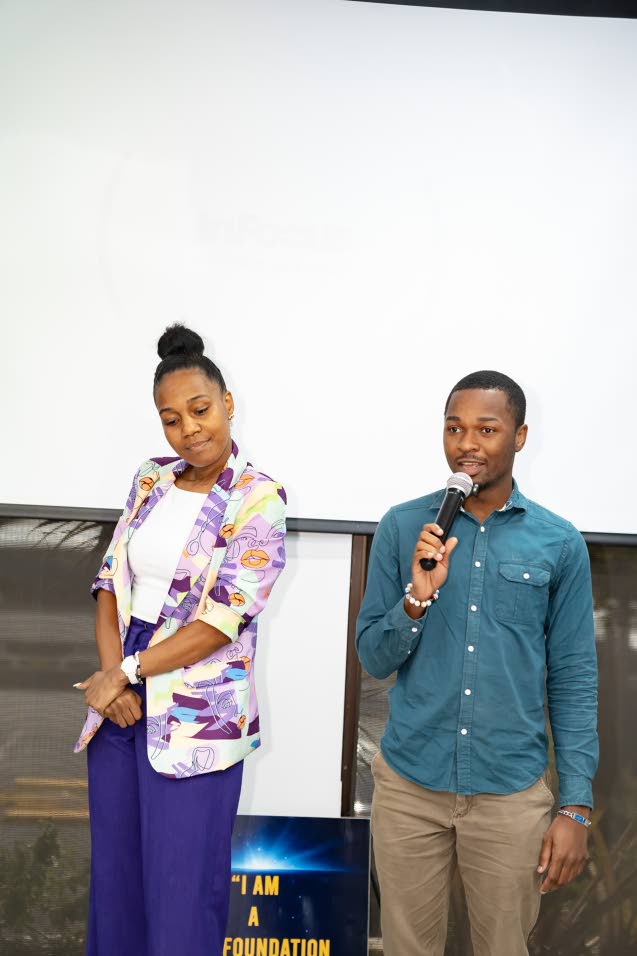
Media personality and author Dr Terri-Karelle Johnson listens keenly to Shacquine Willoughby’s question during her presentation to the scholarship recipients about personal branding and social media usage and their online presence.
“Cohesiveness and consistency open up pathways through non-verbal and verbal communication. It is important to intentionally learn how to use these platforms while upholding the integrity, morals and standards that you set for yourself,” Johnson said.
She encouraged the students to consider the story they are communicating through their appearance, speech, behaviour and digital activity.
“It is important to visualise what story you are presenting to other people. Can you willingly vouch for you?” Johnson asked.
One of the major areas of discussion was the relationship between personal identity and professional reputation, particularly in an era when employers and organisations can easily find information about prospective employees online.
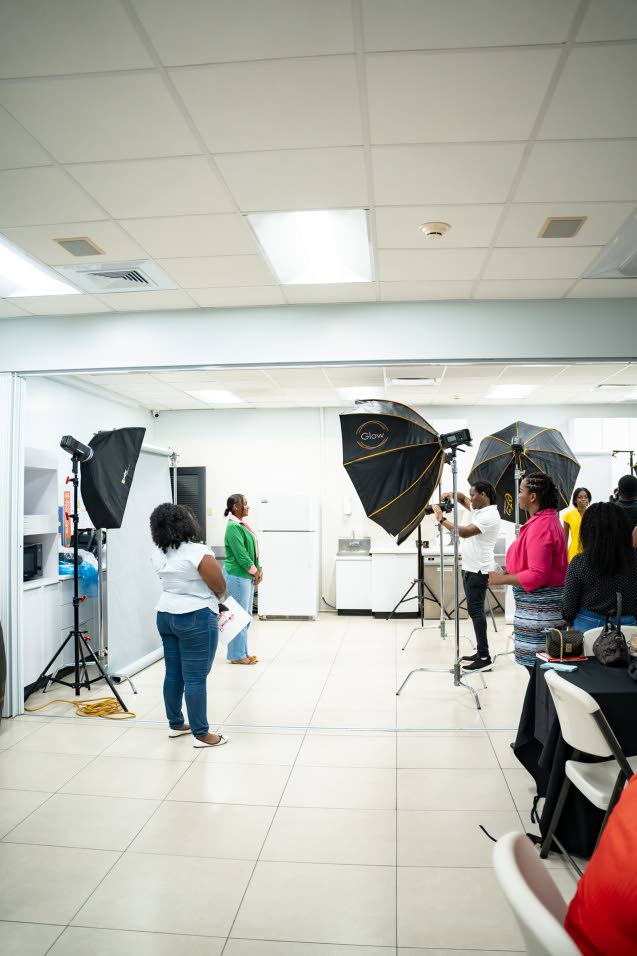
A behind-the-scenes look at the headshot process executed by LH Multimedia at the JWN Foundation professional development workshop on September 12, 2026.
Johnson warned the students that their social media activity can become part of their professional identity, whether they intend it to or not.
“In an ideal world, you would want to separate your personal social media accounts from your business accounts, but that is not the case,” she said. “What you post is what you tell your future employer about yourself. You cannot afford to compromise your professional brand because of your personal brand.”
The students were also encouraged to understand the importance of authenticity.
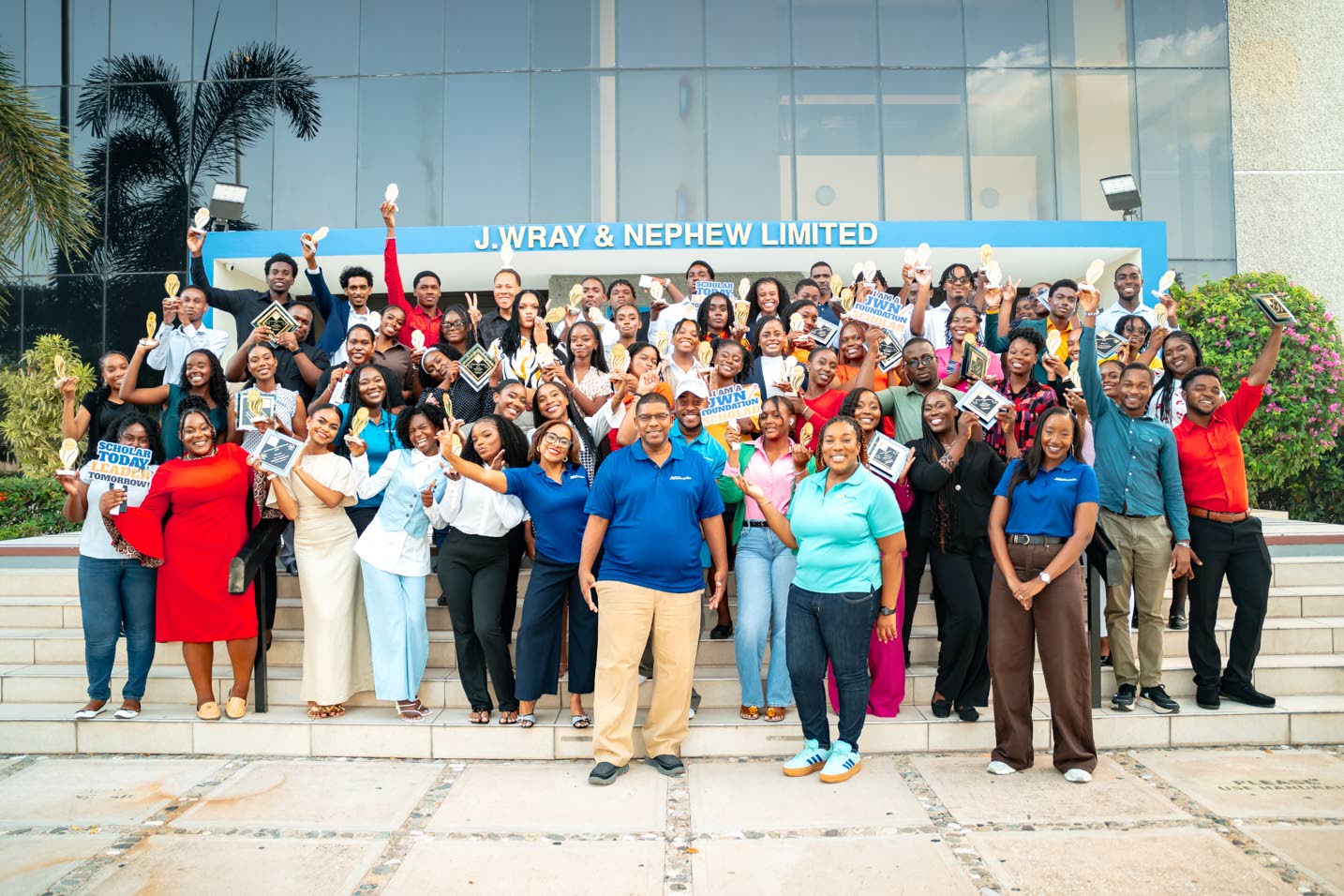
JWN Foundation Scholarship recipients, foundation directors, JWN Foundation team members and volunteers in a jubilant mood during a group photo session at the company’s head office on Dominica Drive.
“You have to be authentic. The real, genuine you is showing up as your authentic self,” Johnson said. However, authenticity, she noted, does not mean ignoring context or professional standards.
“You also have to understand time and place. As a brand, people, companies and organisations deal with you accordingly. You have to ensure that you do not compromise your values and attitudes. Put yourself together regardless of what your personal brand is,” she said.
The workshop formed part of the activities of the JWN Foundation Scholarship Awards ceremony, which celebrated the achievements of students from the foundation’s focus communities in Kingston, Clarendon and St Elizabeth.
It delved into the requirements they would need not just for the world of work, but personal branding tips and social media etiquette to help on their life’s journey.
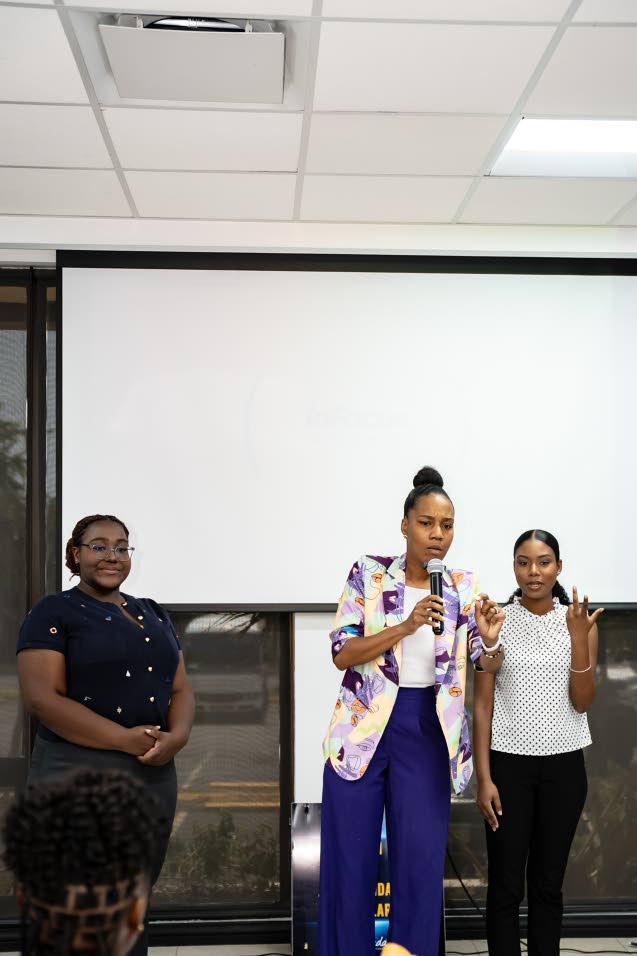
Presenter Dr Terri-Karelle Johnson (centre) with JWN Foundation scholars Michelle Douglas (left) and Daesha Brown (right) during the foundation’s professional development workshop on September 12, 2026.
Close to 70 tertiary scholarship recipients participated in the workshop. They also had the opportunity to have their make-up professionally done by Le Champ Cosmetics and professional headshots by LH Multimedia.
JWN Foundation General Manager Garfene Grandison said the decision to incorporate professional development into the programme was informed by observations from the scholarship selection process over the years.
“Coming out of the interview process, many of the interviewees struggled to express themselves and had some level of difficulty in how they were groomed for the process. Having recognised this, we wanted to ensure that we equip them with the relevant tools that will help them to represent themselves,” said Grandison.


