



$2.3 billion owed to HAJ by housing scheme occupants
APPROXIMATELY $2.3 billion is owed to the Housing Agency of Jamaica (HAJ) by occupants of its housing schemes, with chairman of the Public Administration and Appropriations Committee (PAAC) Peter Bunting pressing the agency on Wednesday over outstanding balances preventing some beneficiaries from receiving titles.
HAJ Managing Director Doreen Prendergast told the committee that the agency has distributed 1,378 certificates of title between 2020 and 2026, but outstanding payments remain among the reasons some titles are still being held by the agency.
“The titles are held in-house for various reasons. At our last sitting here I would have explained that some of them pertain to estate matters, conflicts, some of outstanding sums to be paid. But once they complete their transaction, complete the payment and there are no encumbrances…but we generally distribute their titles to them,” she said.
The committee was examining HAJ’s management of Operation PRIDE communities, including the regularisation of existing brownfield settlements and the development of greenfield housing schemes, as well as the delivery of titles to beneficiaries.
Prendergast said the agency’s records show that occupants still owe more than $2.3 billion on the sums for which they were allotted properties.
Bunting subsequently raised cases in which relatively small outstanding balances were preventing titles from being issued.
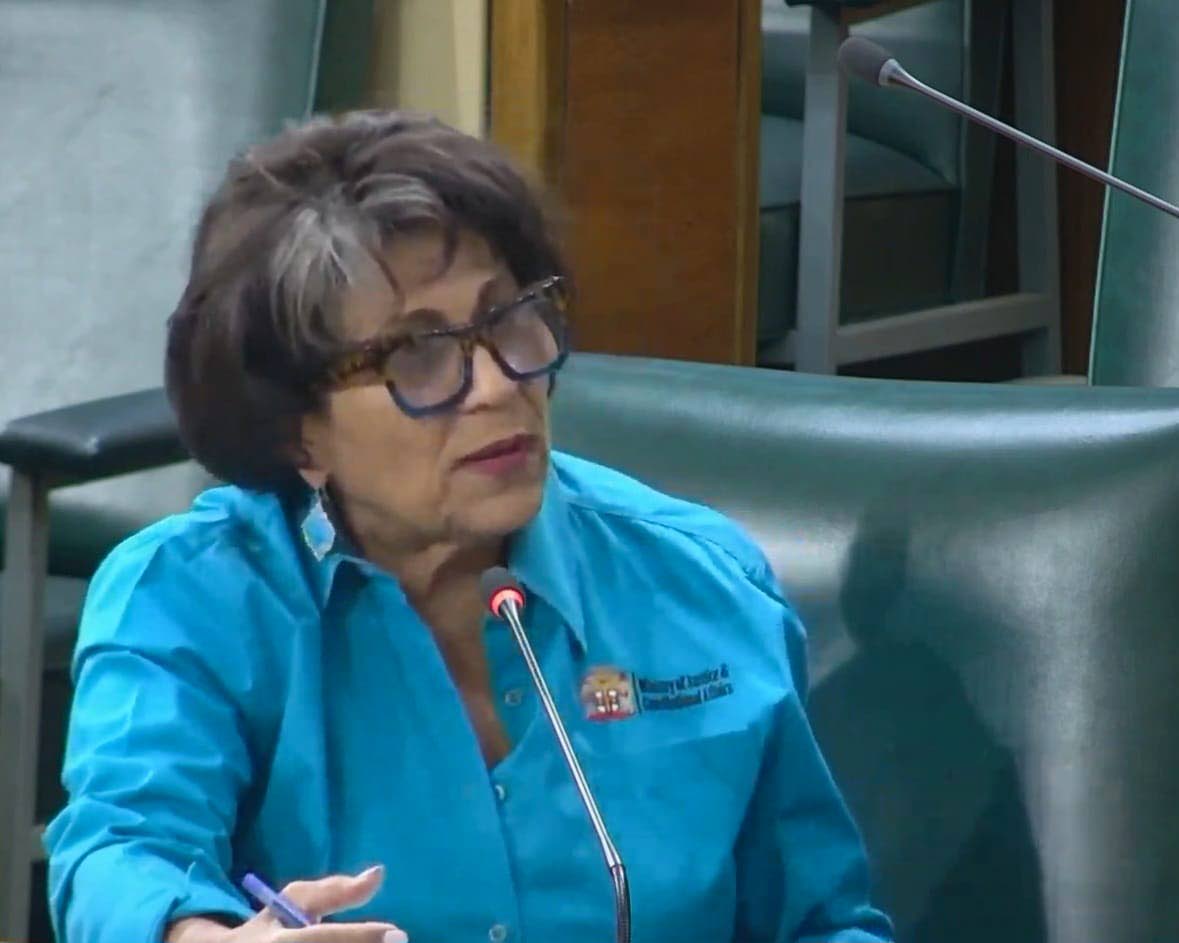
Member of Parliament for Trelawny Southern Marisa Dalrymple-Philibert speaking during a sitting of the PAAC on Wednesday.
Prendergast said the Government’s amnesty allows outstanding balances of up to $150,000 to be written off, although cases are considered individually based on the circumstances surrounding the original sale of the property.
She pointed to the Donaldson development in St Thomas, where some lots had originally been sold for $60,000, noting that the write-off provisions would not apply where the outstanding balance was already below the applicable threshold.
Prendergast also cautioned that some beneficiaries who had previously received write-offs had still not completed their payments.
The discussion then turned to the question of how outstanding balances should be treated when beneficiaries have been waiting for titles.
Bunting argued that prolonged delays can create further complications when beneficiaries die before their properties are formally titled, particularly when estates have to be settled among several relatives.
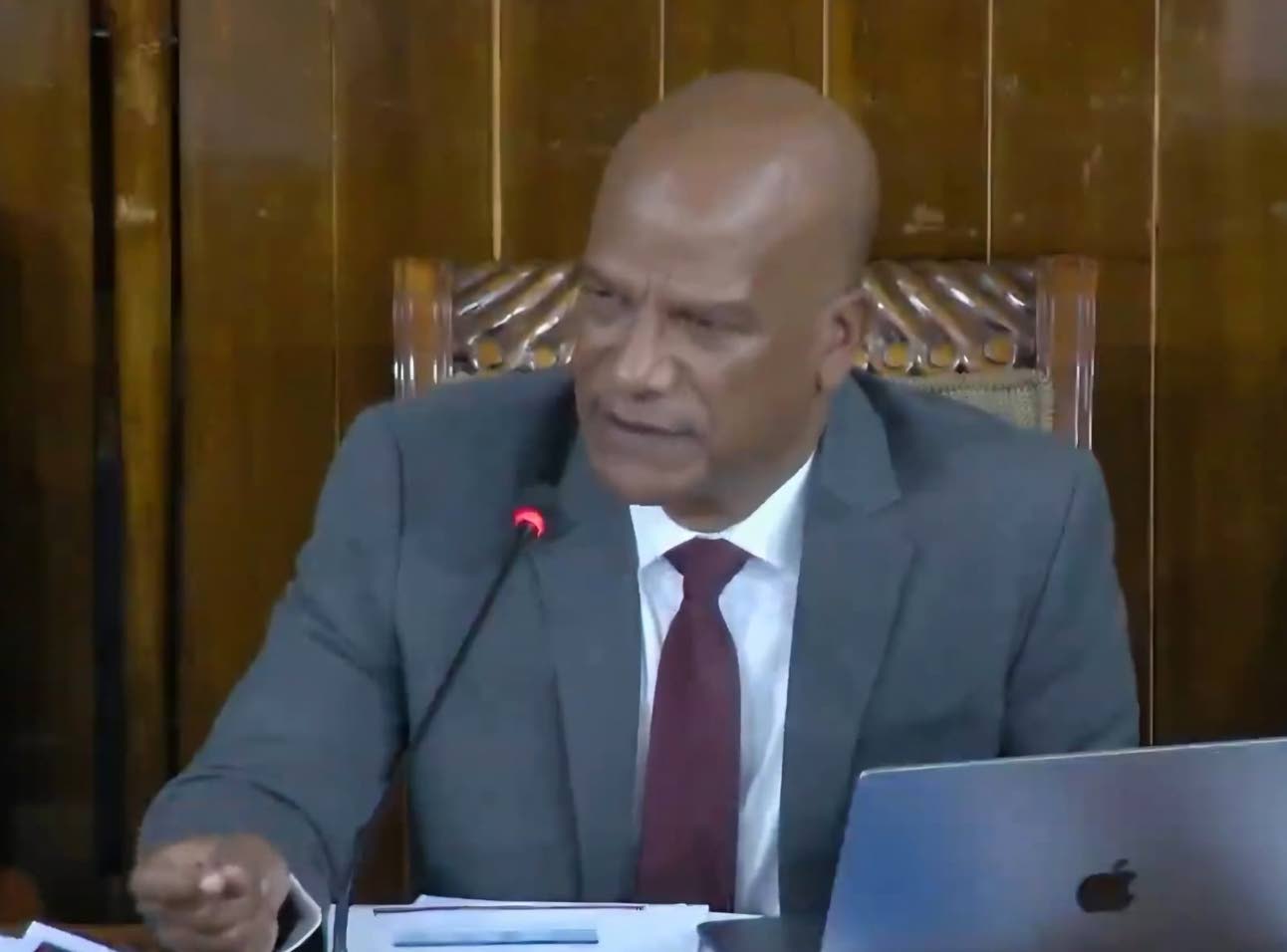
Chairman of the PAAC Peter Bunting
“To have the matter hanging out there for $39,000 or $50,000 or $75,000, particularly when the objective was to facilitate social housing, hardly makes sense to me from a government point of view, and it’s going to cost you more when that beneficiary dies now to go and resolve the situation with three or four children and there may have been no will, and you know, even if there was a will, it may not be able to identify the particular lot of land because there was no title and the documents are lost anyway…There’s just so much bureaucracy that’s standing in the way of people getting titles that I think we should try and really make it as easy as possible,” he expressed.
However, the issue was not treated as simply a matter of cancelling all small outstanding debts.
Member of Parliament for Trelawny Southern Marisa Dalrymple-Philibert pushed back against describing balances such as $39,000 or $50,000 as “nominal”, arguing that what may be relatively small in relation to the Government’s overall budget may still represent significant sums to individual beneficiaries.
She also argued that housing assistance should be balanced with an expectation that beneficiaries meet their obligations.
“I do think, although we need to help…we need to encourage our people that if you have an obligation, you should try to keep it, whether it is the government or not. Because at the end of the day, the Government is responsible for us all as a country,” she said.
— Jerome Williams


