



Lucea split over four-month roadwork
Stakeholders welcome long-needed fix to Seaview Drive but some disappointed in project timeline
LUCEA, Hanover — There have been mixed reactions to the announcement by the National Works Agency (NWA) that it will take four months to complete the $39-million concrete road surfacing project for the heavily trafficked Seaview Drive corridor in Lucea, Hanover, with various traffic changes implemented during the period.
The concrete road is expected to finally bring relief to motorists who travel on the pothole-riddled surface leading in and through the town of Lucea between Montego Bay and Negril.
Among those prepared to endure delays while the work is taking place is Destination Assurance Council Chairman Richard Wallace who is elated that the road will be repaired properly once and for all.
“We really are pleased that it is happening. However, with regard to the process, the fact that it’s going to be four months and there is going to be traffic disruptions, we understand that is a necessity, and so we’re willing to work with it for the period,” declared Wallace.
“We are hoping they will work in a way that will not worsen the situation, even though it’s going to be temporary, and we understand that it’s for the greater good. But first of all, they said they’re going to do single-lane traffic through the area, which is good because at least they’re not going to block it off completely and send us on a detour. That alone would be an issue,” added Wallace.
He was also pleased to learn that night work will be utilised to improve traffic management.
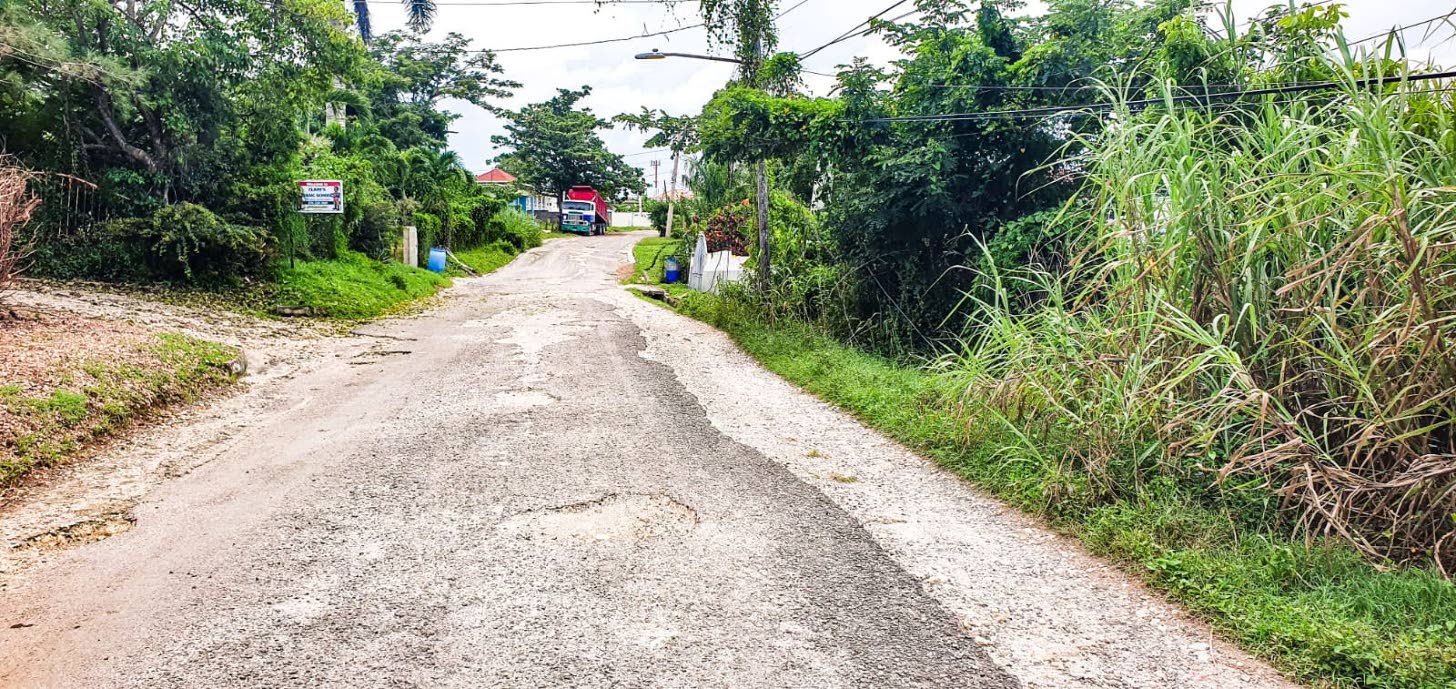
The National Works Agency is to repair East Avenue, Lucea, which is one of the alternative routes to be used while work takes place on Seaview Drive. (Photo: Anthony Lewis)
Pointing to the smooth progression of water pipeline installations along the main road by the National Water Commission, Wallace said he hopes for similar efficiency with the upcoming road works.
“As we go along, we can tweak the traffic management as we see issues arise. If what they are doing is not working, we might have to go back to the drawing board and rethink, and recalibrate, and recalculate again to see what will work. But all in all, we are happy that the road work is being done. We thank the Government and we are willing to ban our belly, as they say, for the four months,” Wallace added.
But tour bus operator Lenbert Williams is among those urging the NWA to complete the road work in a quicker time.
According to Williams, the duration of the project could negatively impact commuters and the time-sensitive tourism industry.
“That road, 200 metres [between the GV Service Station and D&G Hardware], is going to take four months to complete and all traffic will be diverted for six months. I’m telling you that the Negril people are livid,” stated Williams.
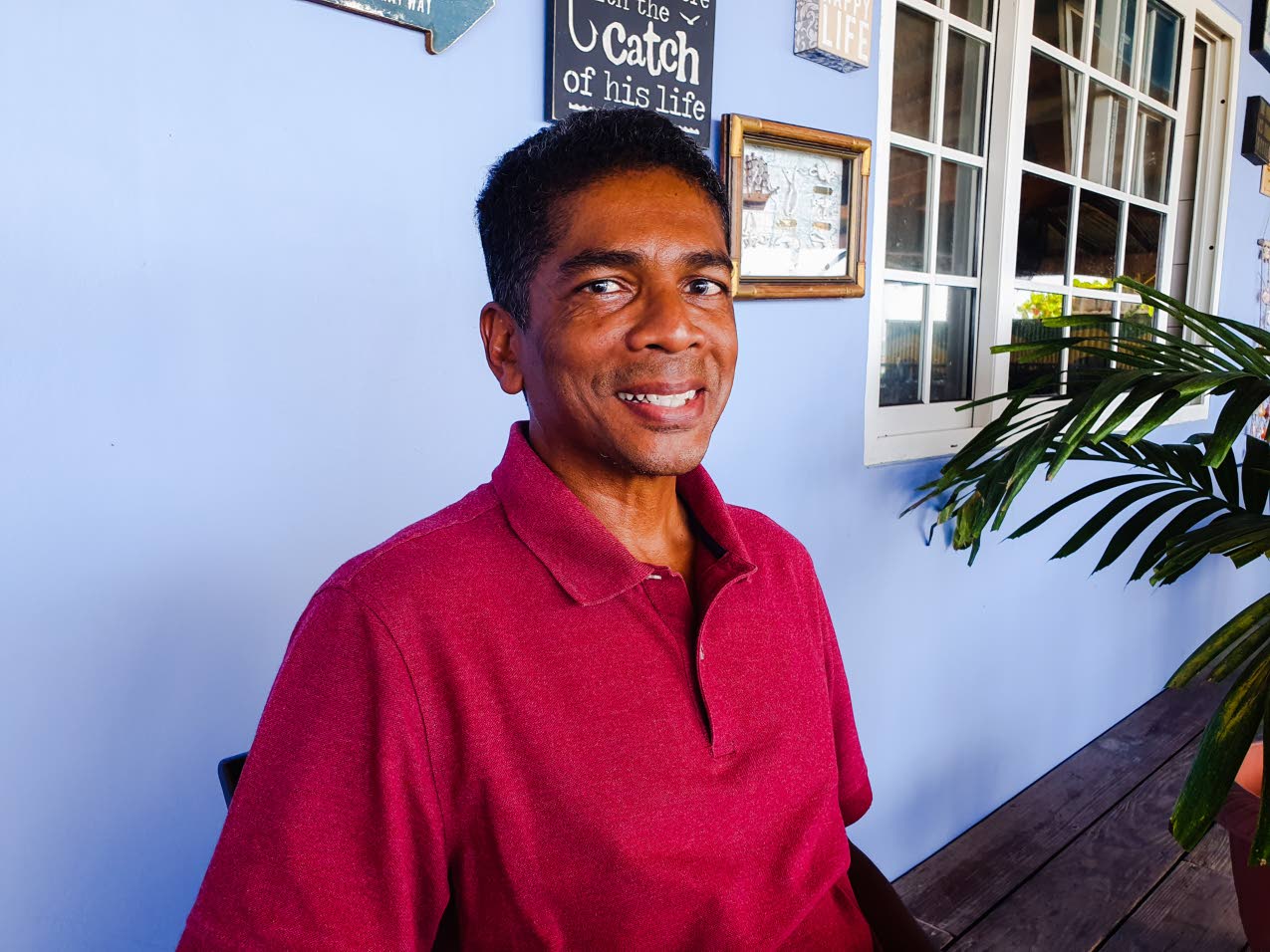
WALLACE…we understand that it’s for the greater good
“Remember, it’s not asphalt… it’s not [the] common Barber-Greene [method] they are going to use. Cement takes a while to dry,” stated Williams as he questioned why the NWA is not using “quick-drying cement” for the project.
Research has indicated that while speciality rapid-setting hydraulic cement can gain high strength in just a few hours for emergency repairs, standard concrete pavement mixes used for full roads generally require about 28 days to achieve the structural hardness needed for heavy traffic.
The question of why quick-drying cement is not being used on the project was put to the NWA’s community relations officer for the western region Janel Ricketts who said the project was not scoped for that.
According to Ricketts, the road will be paved with an eight-inch-thick rigid concrete pavement, marking a departure from the traditional asphaltic concrete surface. She argued that a concrete surface is a more durable solution based on prevailing environmental conditions.
The road, which has been repaired on several occasions — most recently in August — has been a source of frustration for travellers because it is low-lying, close to the sea and prone to flooding during high wave action or heavy rainfall.
Ricketts pointed out that some aspects of the project will be executed at night to reduce the impact on commuters, and outlined the traffic changes that will be implemented.

Williams…the duration of the project could negatively impact commuters and the time-sensitive tourism industry
“Those persons who are exiting Lucea, we will direct them through Old Road, and those who are coming towards the town of Lucea will be encouraged to drive through Malcolm Heights. This is for the smaller units,” stated Ricketts.
Motorists utilising the Malcolm Heights route can bypass the town by continuing through Haughton Gardens, Moseley Drive, and East Avenue onto Watson Taylor Drive. Ricketts noted that while the Malcolm Heights section of the roadway was recently repaired, the remaining route will be patched shortly.
“We’re currently doing clearing works along Old Road to remove silt and debris, and then we’ll have a patching programme. We started with Old Road and then we’ll continue from there,” added Ricketts.
For emergency vehicles, large buses, and articulated units, a single-lane route will be allowed through the work site. Vehicles travelling from Green Island and Negril towards Hopewell and Montego Bay can avoid the town entirely by using the route from Green Island to Kingsvale.
Ricketts said the NWA “will continue to monitor the traffic management arrangements and tweak where possible”.


