



Mendoza on the Menu: Discovering Argentina Through Cal
At Sitio La Estocada, Cal’s 2026 Michelin distinctions bring international attention to a dining experience shaped by seasonal ingredients, sustainable agriculture and the wine-country landscape of Mendoza.
I have always been interested in what happens when food presents a reason to look at a destination differently. You might arrive somewhere because of its scenery or reputation, then find yourself remembering a particular meal, the person who prepared it, or an ingredient you had never considered before. Suddenly, the place begins to make more sense. That is one reason Mendoza deserves attention from travellers looking towards Argentina.
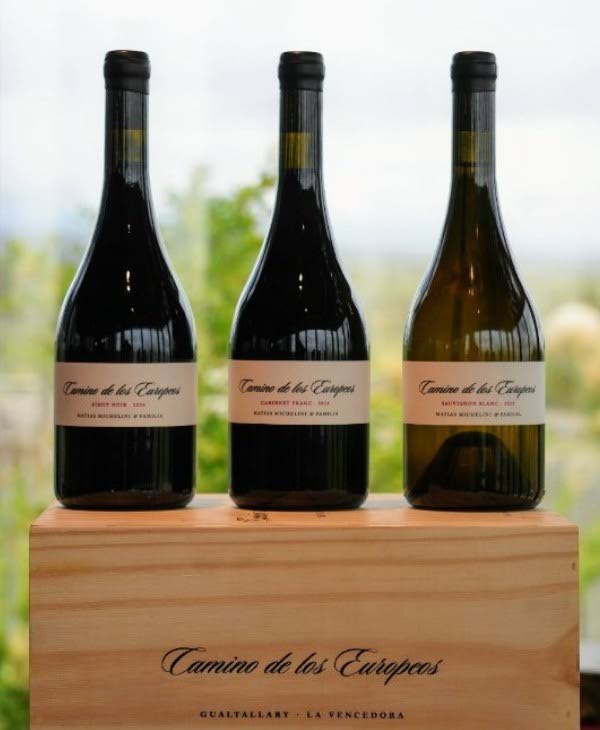
Camino de los Europeos are three specially crafted wines, envisioned for guests who visit Sitio La Estocada. (PHOTO BY Sitio La Estocada)
Wine has long been the province’s calling card. But a restaurant such as Cal, at Sitio La Estocada, offers another way into the landscape. Its cooking draws on the estate’s agricultural practices and seasonal produce, connecting what happens in the kitchen with the land beyond it.
In July 2026, Cal received its first Michelin Star and a Michelin Green Star. Its chef, 28-year-old Enzo González Petra, also received the Michelin Guide Young Chef Award for Argentina. Three distinctions have brought the restaurant into an international conversation about cooking, sustainability and emerging culinary talent. For Mendoza, they provide another reason for food-minded travellers to look beyond the vineyard.
The Michelin Guide is a useful reference when deciding where to eat in an unfamiliar destination. Its restaurant stars are awarded following inspections by professional inspectors, who assess the cooking through factors including ingredient quality, technical skill, flavour harmony, the chef’s expression of their cuisine and consistency.
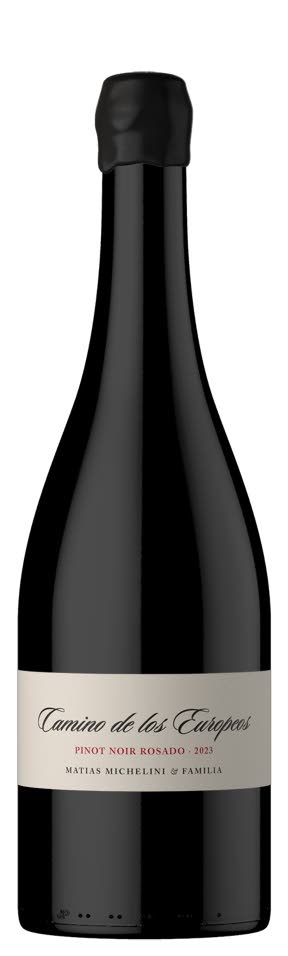
Camino de los Europeos Pinot Noir Rosado is part of a special line crafted by Matías Michelini. (PHOTO BY Sitio La Estocada)
One star identifies a restaurant offering high-quality cooking that merits a stop. It gives travellers a credible starting point when planning a special meal, particularly in a destination they may not know well.
Cal’s Green Star tells an additional story. This distinction recognises restaurants demonstrating a strong commitment to sustainable gastronomy. At Cal, the emphasis on organic and biodynamic agriculture, seasonal ingredients and local production gives that recognition a practical context.
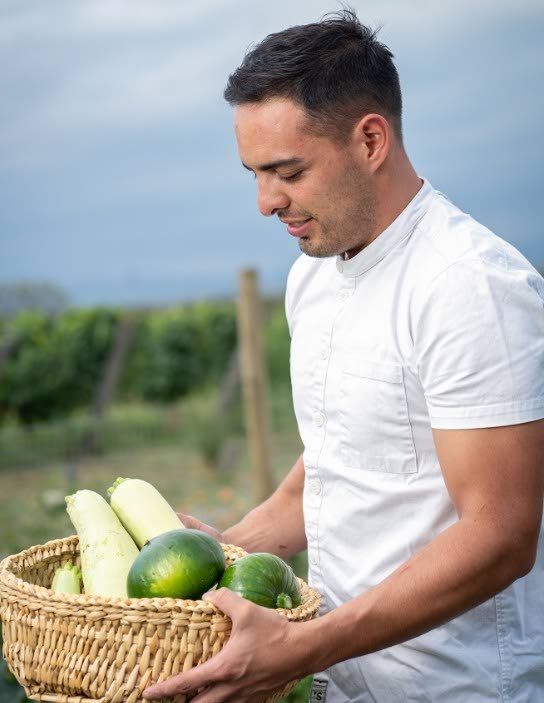
Chef Enzo González Petra of Cal received the 2026 Michelin Guide Young Chef Award for Argentina. (PHOTO BY Sitio La Estocada)
Then there is the Young Chef Award. González Petra’s recognition places the person leading the kitchen at the centre of the story. The award acknowledges emerging talent and gives diners another reason to take an interest in the thinking behind the food.
This is a combination that I find particularly compelling. The restaurant has earned recognition for its cooking, its approach to sustainability and the chef responsible for bringing its ideas to life. Each distinction offers a different reason to pay attention.
Cal’s setting is central to its identity. Located at Sitio La Estocada, a winery estate associated with winemaker Matías Michelini, the restaurant sits within a project that connects viticulture, agriculture and gastronomy. The Michelin Guide describes an open kitchen, a covered terrace and a seven-course tasting menu that draws on the estate’s gardens, farm and surrounding environment.
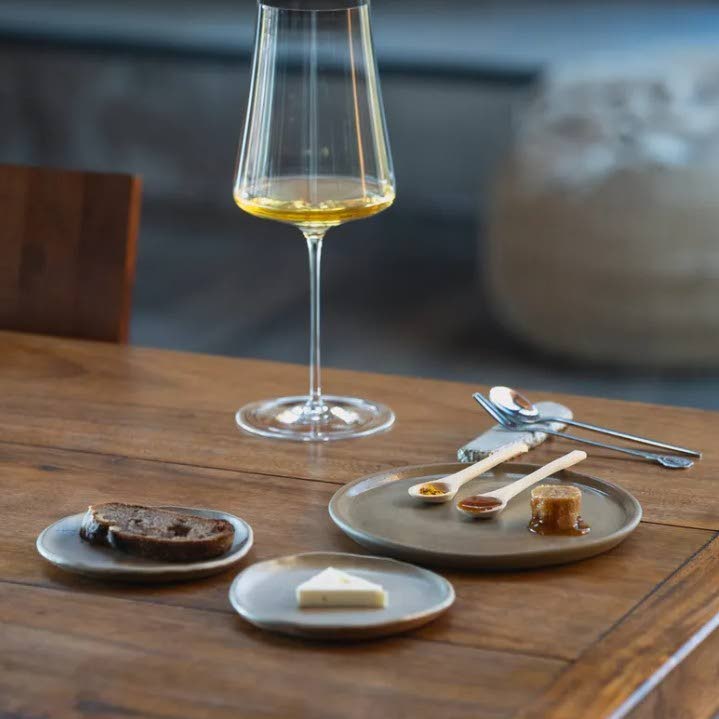
The character of a destination, expressed through its cuisine. (PHOTO BY Sitio La Estocada)
The official restaurant description places vegetables, ecological agriculture and biodynamic practices at the heart of the experience. Its menu changes with the seasons, reflecting the availability of local ingredients. There will always be something appealing about a restaurant that allows the surrounding landscape to influence the meal so directly. The ingredients establish a connection between the place where they grow and the food arriving at the table.
A tasting menu gives the kitchen room to develop that connection over several courses. Rather than selecting individual dishes, guests follow a sequence created by the chef. At Cal, the seven courses are conceived around the natural cycles of the estate and its produce. For a visitor, this can make the meal a way of understanding Mendoza rather than an isolated restaurant reservation.
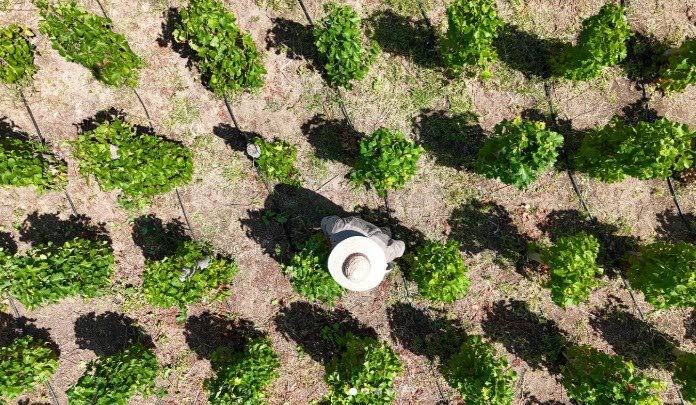
The people behind the place are part of the story. (PHOTO BY Sitio La Estocada)
The estate also offers an Exploration experience, which includes a tour introducing visitors to areas such as the orchards, greenhouse and herb-drying space. Guests can then experience the restaurant and its wine selection with a clearer understanding of the setting from which the food emerges.
Matías Michelini’s involvement adds another dimension to the experience. Wine tourism can sometimes become a sequence of similar visits: arrive at a winery, walk through the property, taste a selection and move on to the next appointment. There is nothing wrong with that format, particularly for someone discovering wine for the first time. Yet Mendoza offers opportunities to explore the relationship between wine and food in greater depth.
At Sitio La Estocada, the restaurant and winery share a setting, while the menu and wine selection offer complementary ways to explore the estate’s identity. The restaurant’s official information describes a wine list that includes projects associated with the Michelini family alongside other selections.
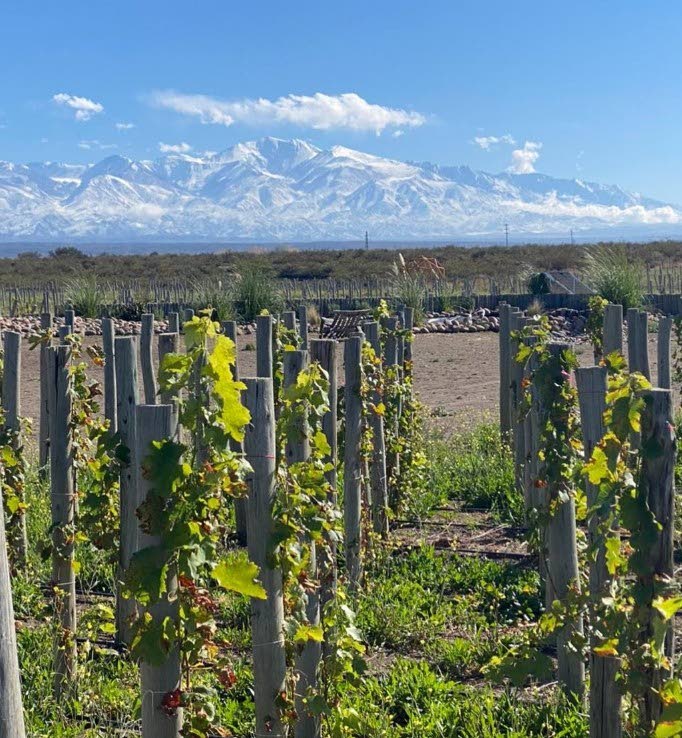
There is more than one way to discover Argentina’s wine country. (PHOTO BY Sitio La Estocada)
For the traveller, this creates a useful starting point for conversation. How does a wine change alongside a particular dish? What makes one pairing more successful than another? How do the ingredients and the wine express something about their origins? You do not need specialist knowledge to enjoy those questions. Curiosity is enough.
This is also where the experience can become personal. One visitor might be fascinated by the agricultural practices, another by the wines, and another by the way the chef brings different ingredients together. The same destination can offer each of them something different.
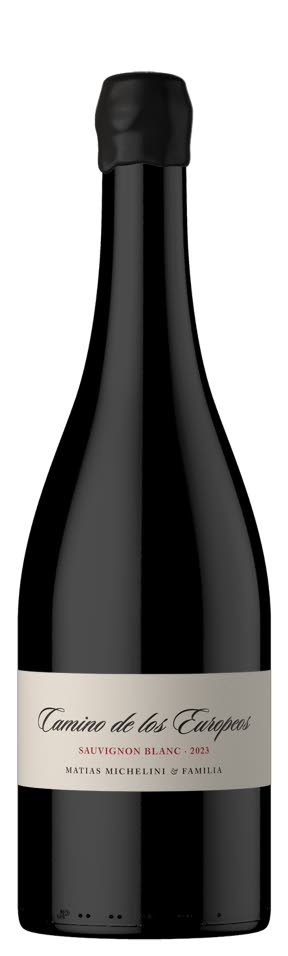
Camino de los Europeos Sauvignon Blanc is produced from grapes grown in San Pablo, Tunuyán, at 1,500 metres above sea level. (PHOTO BY Sitio La Estocada)
Cal’s recognition forms part of a broader development across Mendoza.
In the 2026 Michelin Guide, three restaurants in the province received their first stars: Cal, La VidA at Susana Balbo Winemaker’s House & Spa Suites, and Centauro in Mendoza City. Cal also received the province’s new Green Star recognition. Other Mendoza restaurants retained their Michelin Stars, including Angélica Cocina Maestra, Azafrán, Brindillas, Riccitelli Bistró, Casa Vigil and Zonda Cocina de Paisaje.
The variety matters when planning a trip. Travellers can explore winery-based dining, contemporary cuisine in the city and restaurants with different interpretations of regional ingredients. A stay can therefore be built around several distinct experiences rather than a single celebrated meal.
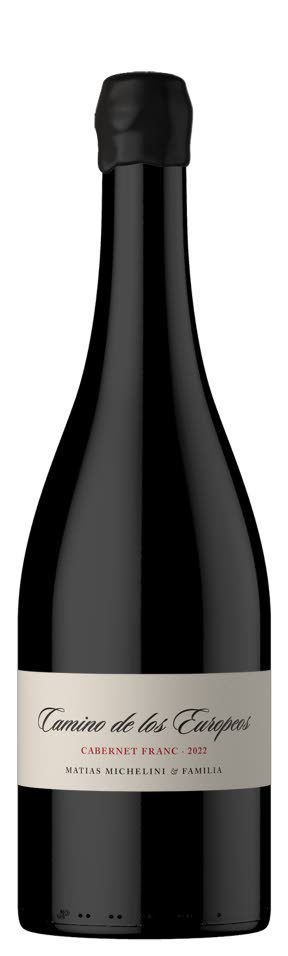
Camino de los Europeos Cabernet Franc also forms part of the special line created by Matías Michelini. (PHOTO BY Sitio La Estocada)
For Mendoza, the Michelin Guide provides international visibility. For visitors, it offers a starting point for discovering restaurants that might otherwise escape their attention. A restaurant’s recognition helps establish its credentials, but setting, personal interests, time and budget should also guide the decision.
From my perspective, Mendoza presents an interesting proposition for Jamaican travellers considering South America. Jamaica has a strong food culture of its own, shaped by local produce, history and cultural exchange. Its hospitality also carries an understanding that a memorable experience comes from the people, the atmosphere and the details that make a guest feel connected to a place.
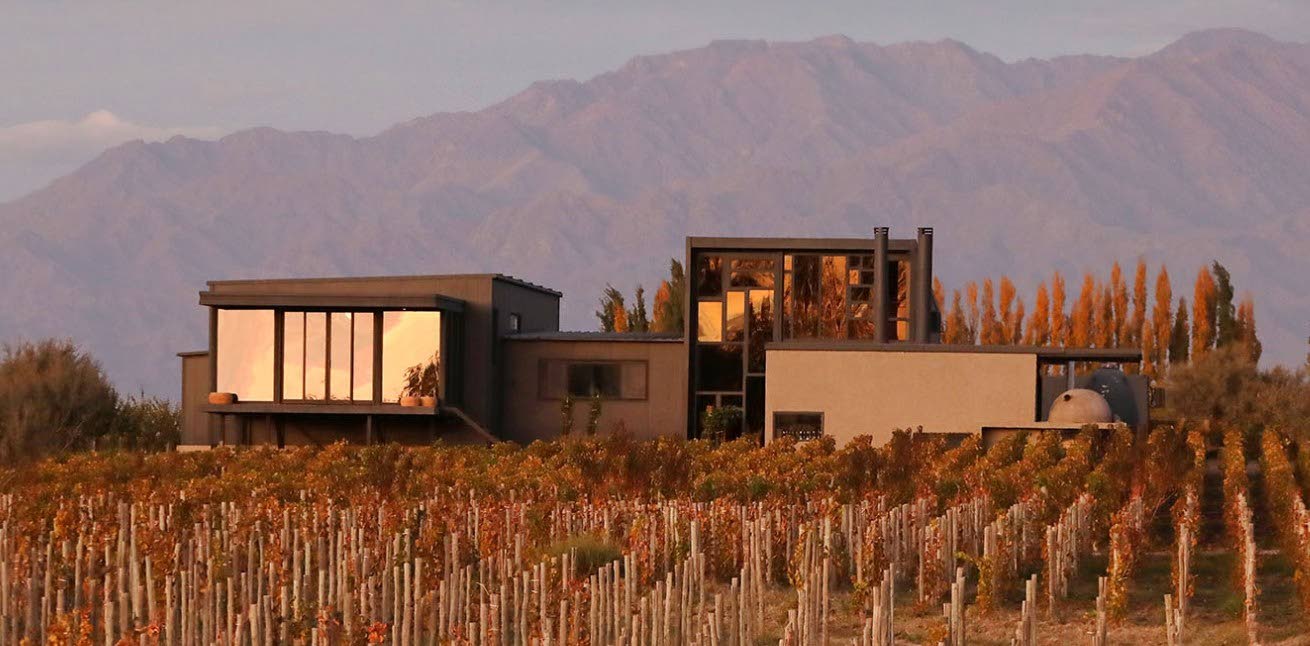
Sitio La Estocada featured among the 2025 World’s Best Wineries’ top 100. (PHOTO BY Sitio La Estocada)
Mendoza offers a different expression of that relationship. Its vineyards, mountain scenery, seasonal ingredients and wine culture create opportunities to explore Argentina through several senses at once. For a Jamaican traveller, the contrast is part of the appeal. The landscape is different, the wines introduce unfamiliar perspectives, and the food provides another way to understand local traditions and contemporary creativity.
Cal is particularly interesting for travellers who want to understand the connection between gastronomy and place. The Michelin Star gives a clear reason to investigate the restaurant. The Green Star draws attention to its agricultural approach, while González Petra’s Young Chef Award introduces the person shaping the menu.
What stays with me about Cal is the opportunity to experience Mendoza through several connected parts of the same place. The agricultural practices inform the ingredients, the kitchen transforms them, and the wine offers another expression of the surrounding region. The Michelin distinctions bring deserved attention to that work. They also help introduce international visitors to a destination whose appeal extends well beyond its best-known wines.
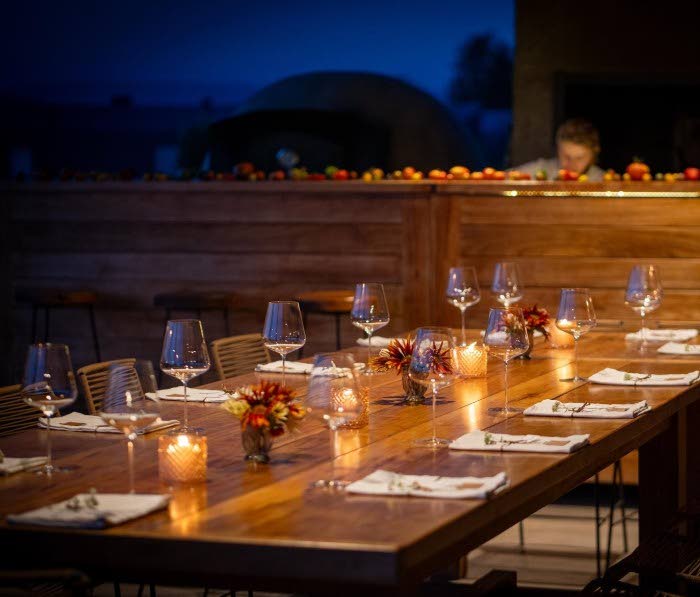
Where the land finds its way to the table. (PHOTO BY Sitio La Estocada)
For me, this is the kind of discovery worth sharing with Jamaican travellers. It offers a clear point of entry into Argentina while leaving room for personal interests, individual tastes and the pleasure of finding something unexpected. Mendoza already has a strong place on the map for wine enthusiasts. Cal gives curious travellers another reason to make the journey, sit down at the table and discover what the landscape has to say.
Salud!


