Melissa’s painful lessons reshape Trelawny’s disaster plan
FALMOUTH, Trelawny — Mayor of Falmouth C Junior Gager says Hurricane Melissa underscored the need for people living in vulnerable areas to evacuate promptly when warnings are issued as many who believed that the Category 5 storm would miss the island were proven wrong.
Gager told the Jamaica Observer that many people had been reluctant to seek shelter during previous threats, but Melissa exposed the folly of that position and the need for greater public education on hurricane preparedness.
“Even a few minutes before Melissa struck there were people saying that it started to turn back and it’s not coming here,” recalled Gager.
He argued that based on the experience of the Category 5 storm one year ago it has become clear that people living in low-lying communities and poorly constructed houses must make arrangements with relatives or friends, or move to designated shelters, as soon as evacuation advisories are issued.
Gager said the lessons from Melissa are now informing efforts by the Trelawny Municipal Corporation (TMC) to strengthen its disaster coordination, improve emergency communication, and ensure that relief reaches affected families more equitably.
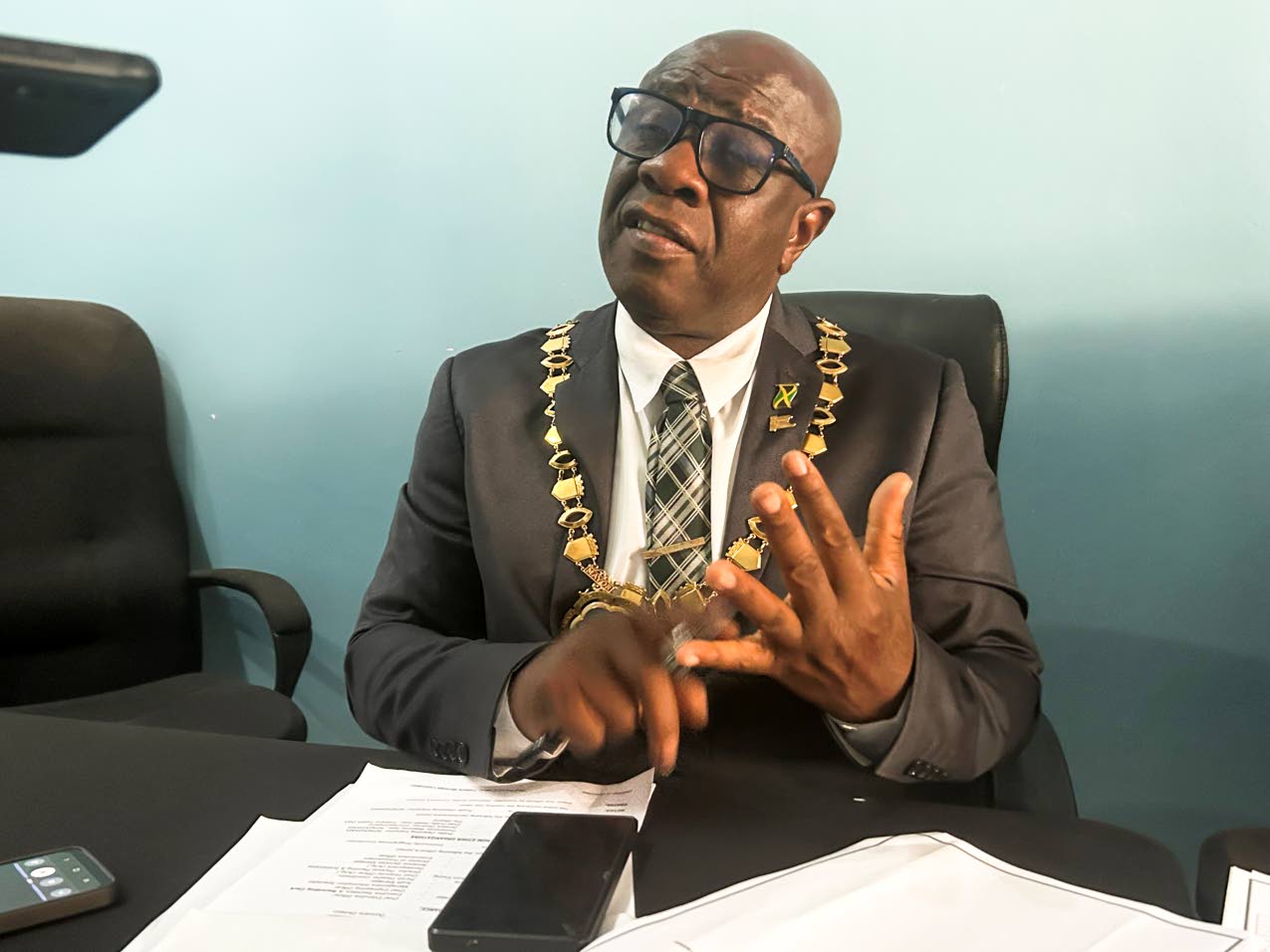
Mayor of Falmouth C Junior Gager listing the changes which Hurricane Melissa has forced the Trelawny Municipal Corporation to implement as part of efforts to better respond to emergencies. (Photo: Horace Hines)
He said one of the key lessons from Melissa is the need for greater coordination among the police, the parish council and other relief organisations to prevent duplication in the distribution of supplies while ensuring that no affected household is overlooked.
“We wanted to stop the duplication of goods and one family getting and another didn’t get,” said Gager, while crediting Parish Disaster Coordinator Dion Hylton Lewis with helping to improve the arrangement to ensure that relief supplies were distributed fairly.
The mayor said communication is another priority following disruptions to Internet services and other networks during Melissa.
He told the Observer that the corporation is considering satellite-based technology, including Starlink, to restore connectivity quickly after a major disaster.
“We have also learnt that we have to build stronger connections,” added Gager as he recalled the difficulties encountered in contacting the relevant ministry and minister after the hurricane.
According to Gager, reliable communication is essential to allow officials to assess damage, exchange information with government ministries and emergency responders, and coordinate assistance to affected communities as soon as conditions permitted.
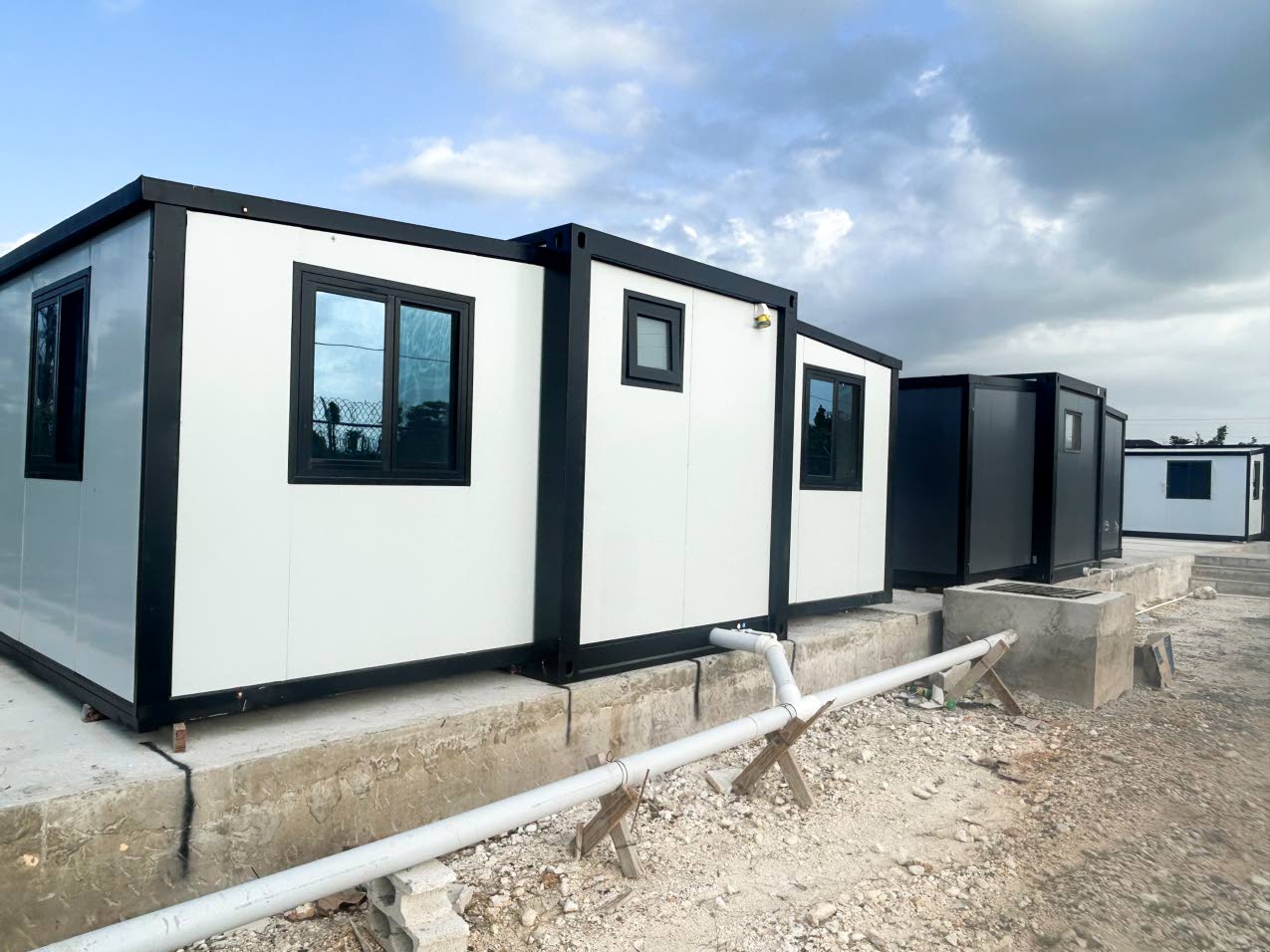
Units set up in Falmouth for the establishment of a temporary facility to house residents of the Trelawny Infirmary. (Photo: Horace Hines)
The TMC is also reviewing its shelter management plan, including the performance of shelter managers and the timely dissemination of information.
Gager said going forward community centres are to be considered as alternatives to schools where suitable facilities are available, allowing students to return to the classroom sooner after an emergency. He pointed out that community centres with concrete slab roofs are among those at the top of the list of buildings being considered.
The Trelawny Infirmary was among the many public facilities in the parish severely impacted by the Category 5 storm and one year later its residents are being accommodated at the Elleston Wakeland Centre in Falmouth while arrangements are made for their relocation to another facility.
Gager said finishing work is under way at the new accommodation, with an official opening expected in November by Minister of Local Government Desmond McKenzie.
Beyond emergency planning, the mayor stressed that Melissa also underscored that proper construction and regular maintenance are critical to reducing damage and protecting lives during severe weather.
“The buildings that were able to stand up were those that had been properly constructed,” said Gager as he urged property owners to inspect their roofs regularly and replace deteriorating materials, as timber roofs can become vulnerable over time if they are not properly maintained.
Melissa severely damaged several TMC facilities, including the historic courthouse, which housed the municipality’s administrative offices and the mayor’s parlour, as well as the market and infirmary.
The destruction forced the corporation to relocate its administrative operations to the Roads and Works building and two containers structures on the compound.
Gager said the containers could serve as a practical option for temporary accommodation, provided they were properly anchored.
Restoration of the historic courthouse, however, remains dependent on discussions with the relevant government departments and agencies as it will require substantial funding and special consideration because of the building’s heritage status.