The new ‘shared community’ regime:
FOR many years, Jamaican developers have faced a legal grey area when creating gated communities and have been forced to rely on awkward workarounds. Developers constructing gated communities comprising of townhouses or standalone homes, that are not strata complexes, have had no specialised statutory framework to register the development, establish a functioning body corporate, or equip homeowners’ associations with meaningful enforcement powers against non-compliant homeowners.
A common solution has been to construct an apartment block simply to qualify for registration under the Registration (Strata Titles) Act. However, this patchwork approach has often resulted in inconsistent governance, weak enforcement mechanisms, and uncertainty for both current and future homeowners.
The Registration (Shared Community) Bill is poised to change that. Designed specifically to regulate communities where homeowners share responsibility for roads, infrastructure, and other common areas, the proposed legislation introduces a comprehensive framework for these developments.
For developers who are actively building, selling, or planning subdivisions, the Bill is likely to have a direct impact on development timelines, marketing strategies, financing discussions with purchasers and long-term liability exposure. Understanding the implications of the Bill now may help developers avoid costly compliance issues later.
Why This Bill Matters
Under the Bill, a developer intending to sell a lot must apply for a certificate of registration within one year of registering the shared community plan or before selling a lot to a purchaser, whichever occurs first.
Missing this deadline carries consequences that are far more than technical. Lots offered for sale without proper registration and compliance may become effectively unmarketable to mortgage purchasers, as financial institutions may be reluctant to lend against property that is not supported by a compliant community plan. As a result, a developer’s potential buyer pool could be limited largely to cash purchasers. This presents a significant challenge in a market in which most homebuyers depend on mortgage financing.
Non-compliant developers may also face summary conviction, fines, and imprisonment for up to six months.
The Bill’s advantage, however, is that it finally provides developers with a clear and standardised pathway to registration. Before a shared community plan can be registered, developers must complete several preliminary steps, including:
1. registering the plan with the Registrar of Titles;
2. providing evidence of consultation with the relevant local authority regarding road maintenance;
3. providing evidence of consultation with the National Solid Waste Management Authority concerning waste collection and disposal; and
4. drafting the proposed by-laws governing the shared community.
If addressed correctly and at an early stage, these requirements may become a valuable marketing tool.
A Cleaner Handover to Homeowners
One of the Bill’s most valuable features for developers relates to what happens after a sale. Once a shared community plan is registered, homeowners automatically become members of a body corporate known as the community corporation.
The community corporation is granted statutory authority to levy contributions, maintain common property, and enforce payment obligations. Significantly, it may even exercise a power of sale against homeowners who fail to pay maintenance fees or other contributions payable under the governing framework.
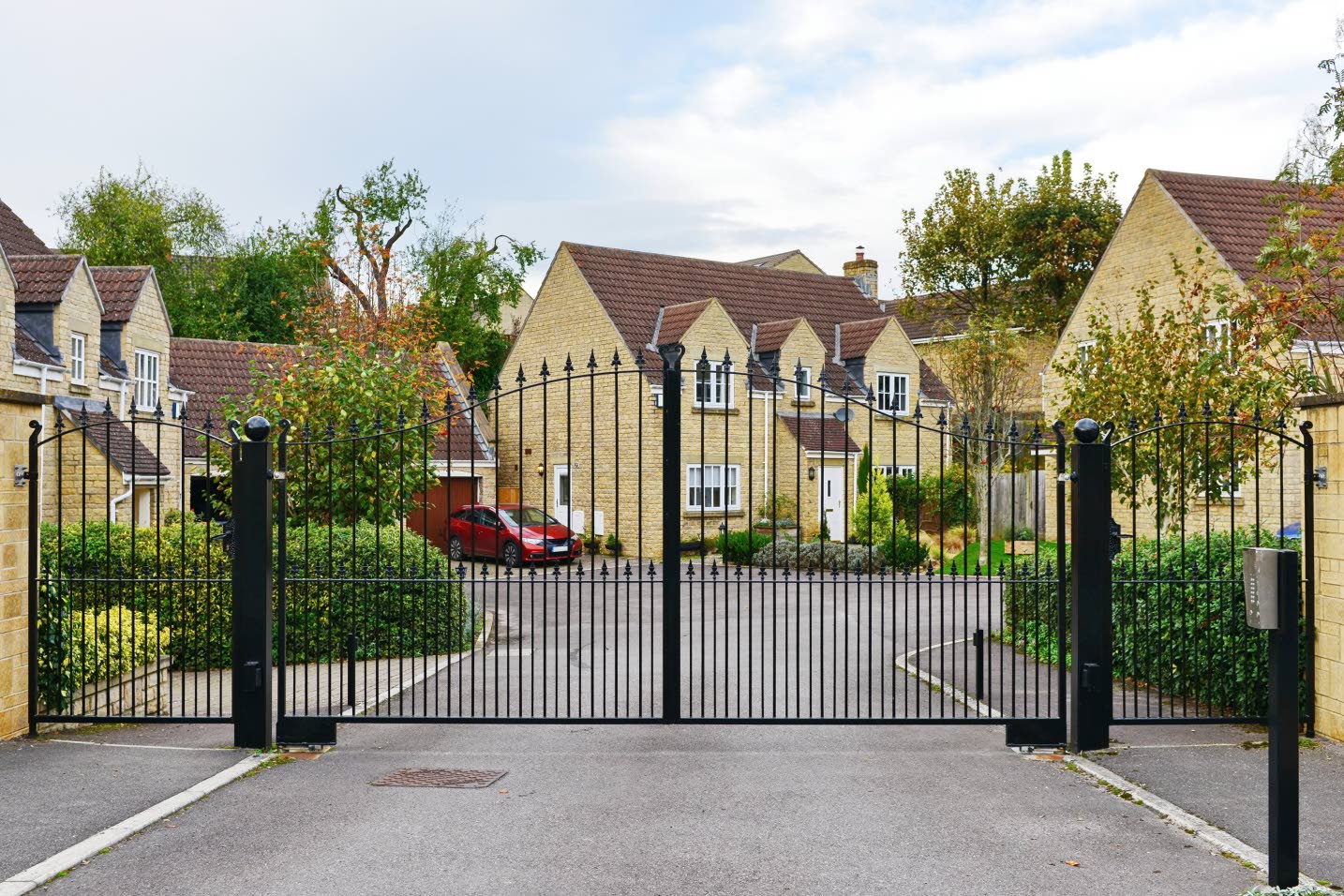
The Registration (Shared Community) Bill is designed specifically to regulate communities where homeowners share responsibility for roads, infrastructure, and other common areas.
The Bill also requires community corporations to establish and maintain a long-term maintenance plan covering a minimum period of five years. This plan must identify anticipated maintenance requirements and estimate associated costs.
For developers, this represents a substantial benefit. They may no longer be left carrying responsibility for ongoing community management or dealing with years of complaints arising from unenforceable homeowners’ agreements lacking effective recovery mechanisms. In effect, the Bill supports the long-term sustainability of the communities they create.
An Opportunity for Existing Developments
The Bill is not limited to future developments. Developers and homeowners’ associations already managing existing gated communities will have a two-year window following the commencement of the legislation to register voluntarily with the Real Estate Board.
Although the Bill does not appear to impose a specific statutory penalty for failing to register within this period, developers who have a reputational interest in a development’s success, or who are seeking to sell remaining lots to purchasers obtaining loan financing may have strong commercial incentives to register.
Conclusion
The Bill represents a significant shift in the regulation of gated communities in Jamaica. By creating a dedicated legislative framework for shared community developments, the Bill addresses long-standing gaps in governance, enforcement, and maintenance.
For developers, not only does the Bill introduce new compliance obligations, but it also provides greater certainty, stronger governance structures, and a clearer transition of responsibility to homeowners. Those who begin preparing now will be best positioned to market, finance, and manage developments within this emerging regulatory landscape.
Stephanie Barnes is an associate at Myers, Fletcher and Gordon and a member of the firm’s Property and Estates Department. She may be contacted at stephanie.barnes@mfg.com.jm or through the firm’s website www.myersfletcher.com. This article is for general information purposes only and does not constitute legal advice.