



Protest is a tool of argument, not licence for vulgarity
Apologise, debate fully and restore decorum
The well-written, erudite Jamaica Observer editorial of November 6, 2026, ‘A step back and a fresh start in the national interest’, said what many ordinary Jamaicans have been muttering at their gates, in taxis, and on the verandah for months now. The Parliament of Jamaica is supposed to be the highest forum of the land, yet it has too often looked more like a rowdy corner on a Saturday night. I write to add my voice, because silence in the face of this decline is a form of consent.
Let me start where the Observer started, with Member of Parliament Mikael Phillips. Foul language and gestures that seemed to threaten violence against colleague Member and Cabinet Minister Desmond McKenzie have no place in the House, and no amount of provocation, real or imagined, changes that. An informal apology is a start, but the offence was committed before the nation, so the apology must be made before the nation as well.
I agree fully that a formal, unreserved apology should come no later than the next sitting. A man who sought the privilege of representing Manchester North Western asked the people to trust his judgement, and judgement is exactly what leaves us when temper takes over. Owning the mistake plainly, without excuses or the word “but” would do more for his standing than any defence of his conduct.
Every one of us has said or done something in anger that made us cringe once the heat passed. The difference is that most of us do not do it with television cameras rolling and children watching at home. When a Member of Parliament loses control, the damage does not stay in the chamber, because it teaches a young Jamaican that cursing and threatening are acceptable ways to win an argument.
Now, fairness demands that we also look at what reportedly lit the fuse. The Opposition says it has been repeatedly shut out and stifled, and on Tuesday that complaint had some weight. A motion to censure the Government over its abstention on the United Nations vote against the Cuba embargo was cut short by the ruling majority, and the debate ended before speakers on both sides could be heard.
I share the Observer’s bewilderment at that decision. The Government holds a majority, slim as it is, and the motion was never going to pass, so there was nothing to fear from a full airing. Closing the debate early gave the impression of a Government afraid of questions, and that impression, fair or not, feeds the very anger we saw spill over.
The subject deserved better than a guillotine. Since 1992, every Jamaican Government, whichever party held office, has voted at the United Nations to end that embargo. To break from three decades of consistent national policy without a full explanation on the floor of Parliament is to ask the people to accept a major shift on faith alone.
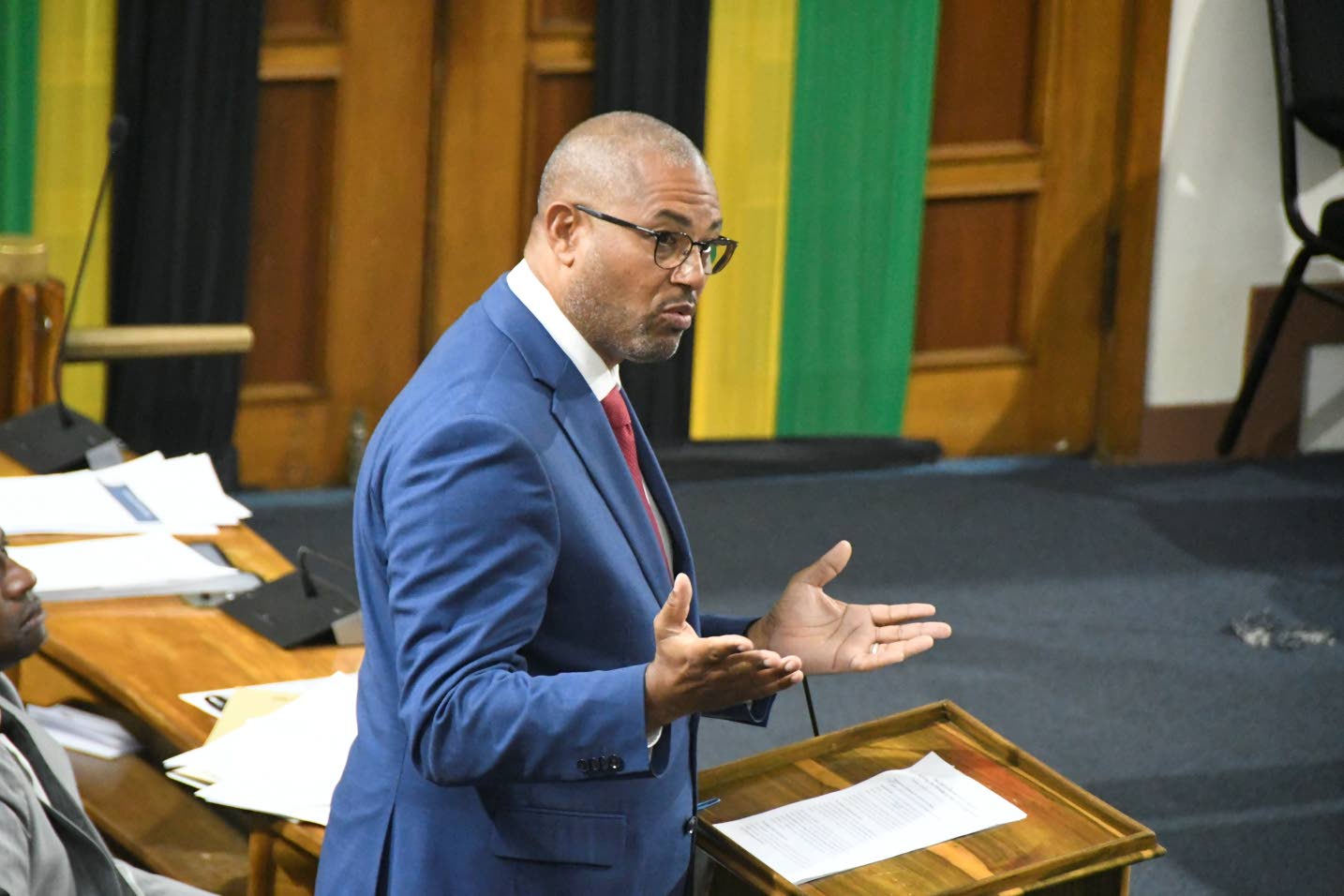
Member of Parliament Mikael Phillips
Cuba has not been a distant acquaintance to us. Cuban doctors, teachers, scholarships, and technical support have touched countless Jamaican families, and the island is our close neighbour in every sense. Whatever the reasons behind the abstention, Jamaicans were owed an open, thorough debate on it.
So, both sides carry blame, and I will not insult readers by pretending otherwise. The Government must stop using its numbers as a blunt instrument to silence debate, and the Opposition must remember that protest is a tool of argument and not a licence for vulgarity. Two wrongs have never made a right, and they certainly do not make a Parliament.
Speaker Juliet Holness has a particularly heavy duty here. The chair must be, and must be seen to be, firm and fair to both sides at all times. When Members on either side believe the rules bend for one party and not the other, respect for the chair erodes and order soon follows.
The Observer is right that party leaders must consciously step back. Mark Golding and Andrew Holness should sit down, away from the cameras, with Phillip Paulwell and Floyd Green, and agree on workable rules of engagement. Agreeing to disagree strongly is the whole point of a democracy, but it must be done within rules that both sides respect.
We are a small country with big problems, including crime, cost of living, struggling health services, and young people who see little future. Every hour wasted on shouting matches and walkouts is an hour stolen from those concerns. The people did not send their representatives to Gordon House to perform theatre.
Consider also what we tell the world. Investors, visitors, and our own Diaspora watch these scenes, and they draw conclusions about whether we are a mature democracy or a place drifting towards disorder. Jamaica has long been admired for peaceful transfers of power and robust debate, and that reputation is easier to lose than to rebuild.
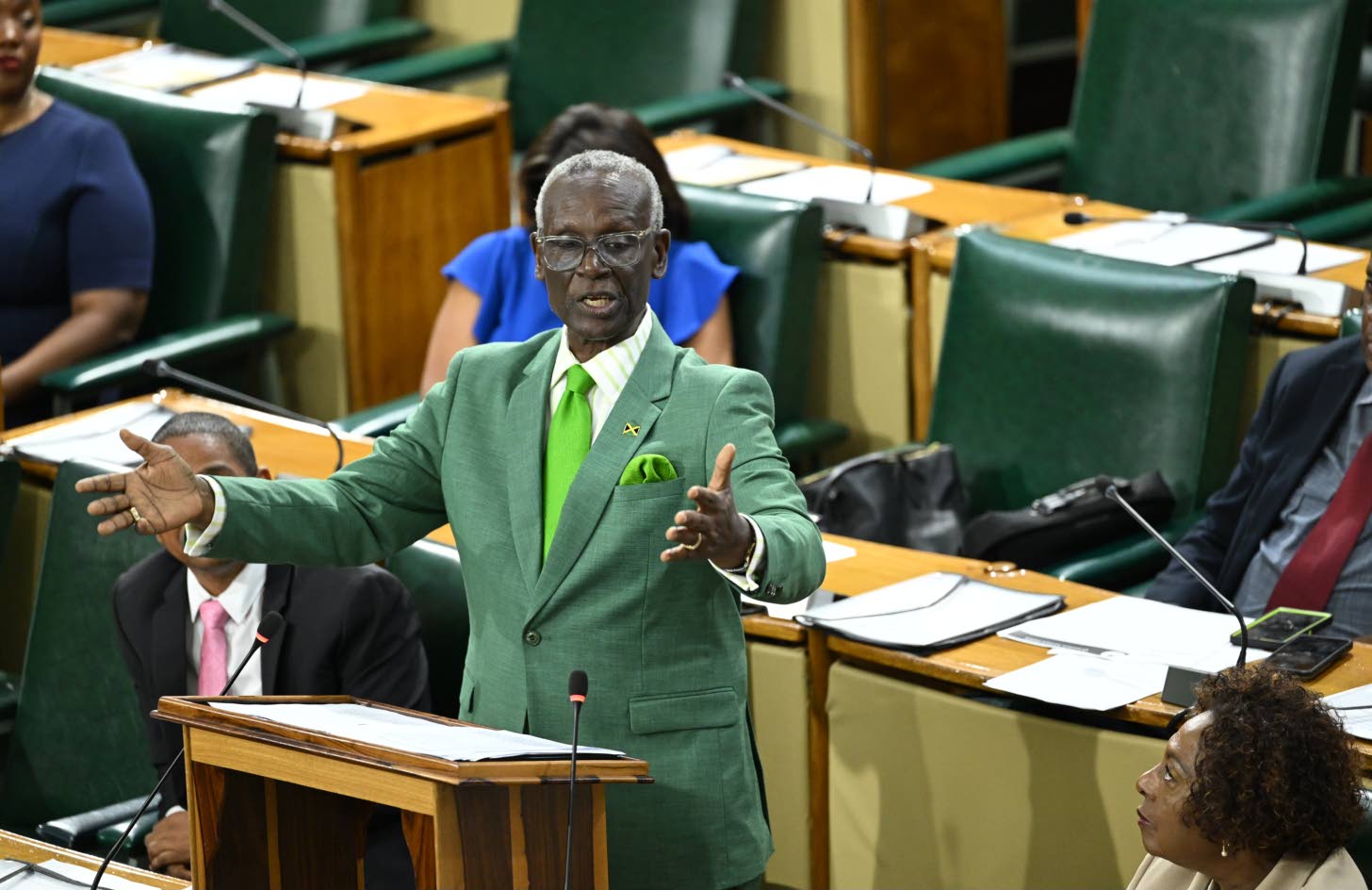
Member of Parliament Desmond McKenzie Photo: JIS
What I ask for is simple: Mikael Phillips should apologise formally and sincerely, the Government should allow proper debate on matters of national importance, and the Speaker should enforce the standing orders evenly. Beyond that, both sides should accept that decorum is a duty and not a favour to the other side.
Our children are learning what leadership looks like from those they see on the news. If they see restraint, respect, and sharp argument delivered with dignity, they will aim for that. If they see tantrums, they will copy those instead.
Let this week be remembered as the moment Parliament stopped, took a breath, and chose a better way.
The Observer editorial has offered a fresh start, and our leaders would be wise to take it. The nation is watching, and it deserves nothing less than their best behaviour.
The measure of intelligence is the ability to change, wrote Albert Einstein.
Robert Dalley is a public commentator who writes from Reading, St James. Send comments to the Jamaica Observer or robertdalley3r@yahoo.com.


