



Preserving The Jamaican Interior Vernacular
We are all affected by our physical environment whether they make us feel safe, vulnerable, inspired or at peace, and sometimes even nostalgic. One of the things that Jamaicans are proud of is our culture, our sense of belonging to something that cannot be replicated or taken from us. Although Jamaicans are spread across every corner of the globe, we are united by a common thread, the thing that makes us one of the most beloved cultures on the planet: Our ‘Jamaican-ness’ is what we’ll call it.
There are a few things that immediately give us a sense of pride and identity. Bob Marley, our pristine beaches, Shelly-Ann Fraser-Pryce, a cold Red Stripe, to name a few.
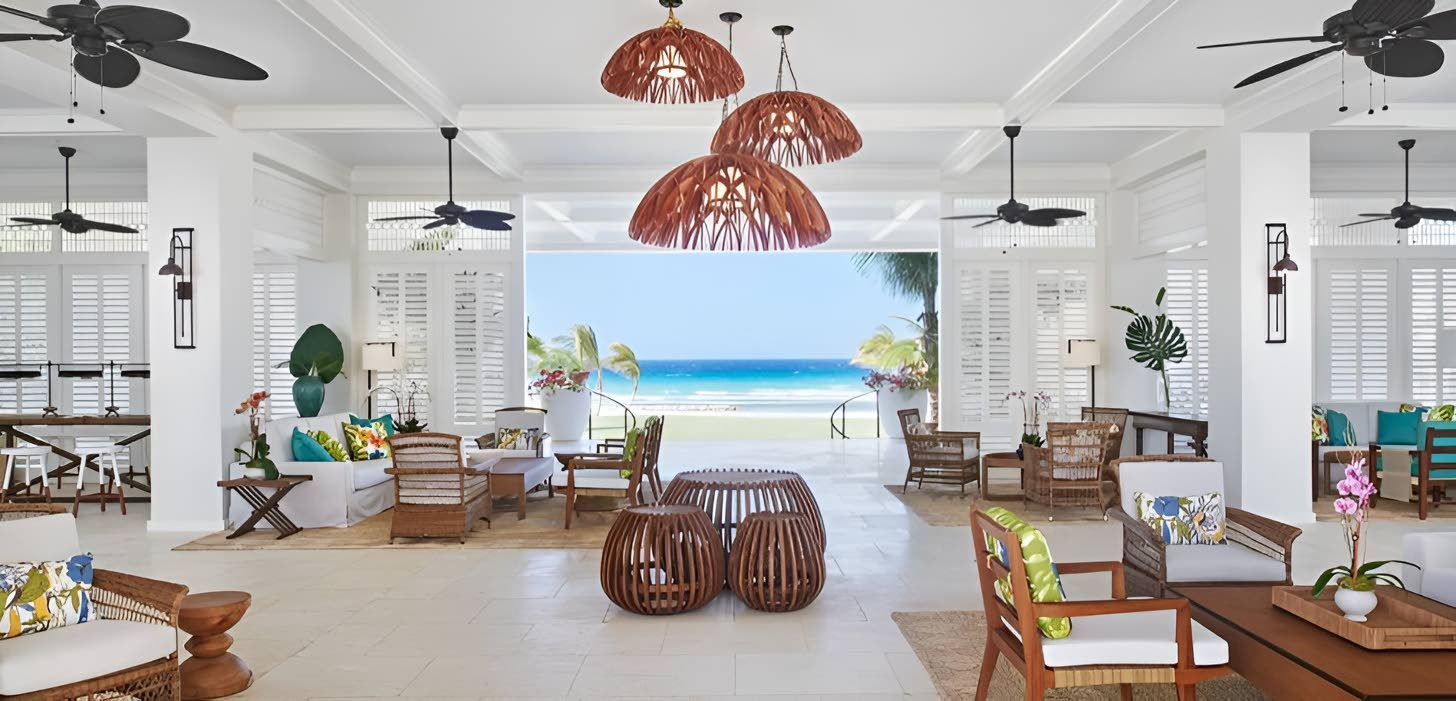
The lobby area at the Eclipse, Half Moon ResortHalf Moon Jamaica
But how about many of the iconic architectural and design elements we grew up with?
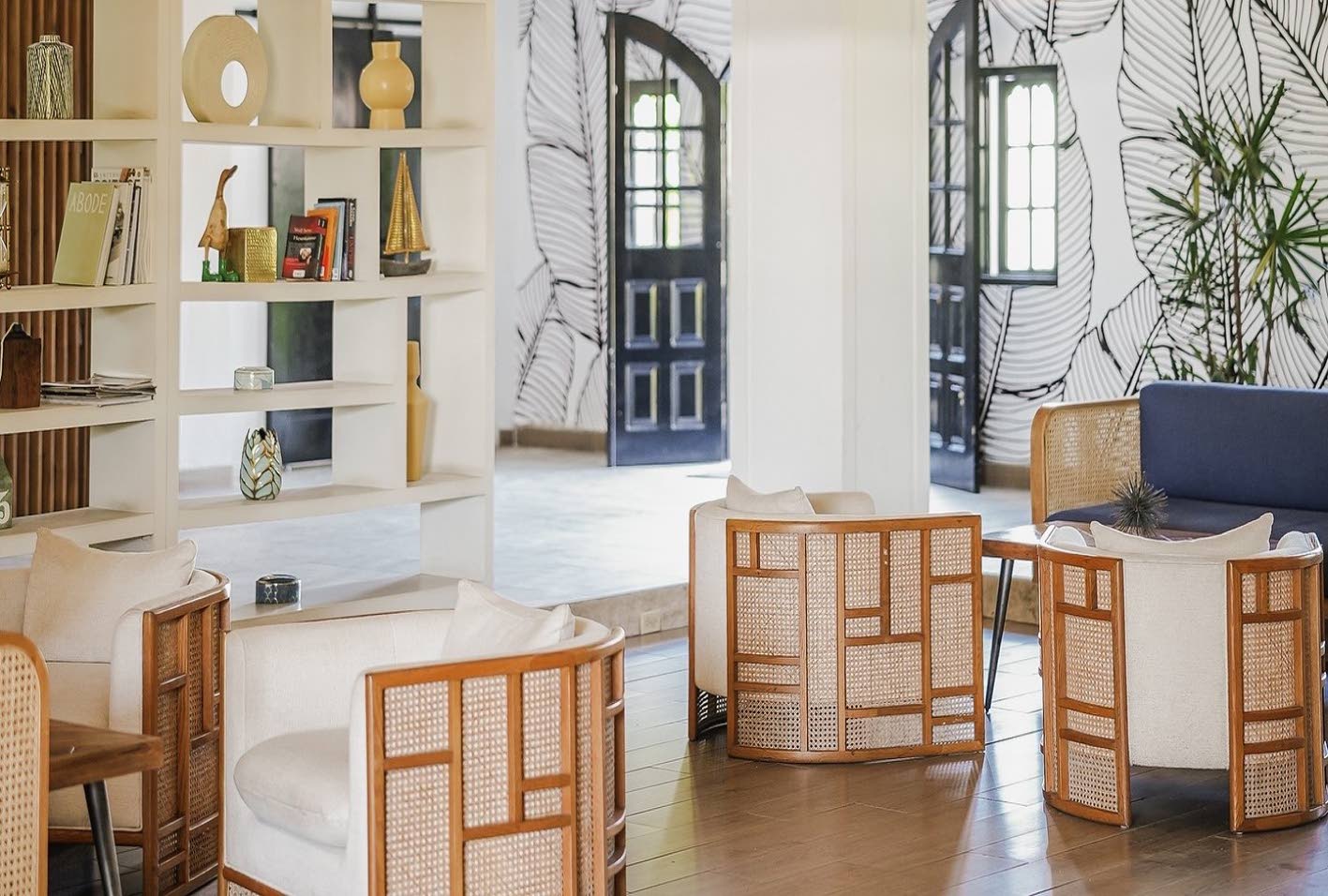
The lobby of Traveller’s Beach Resort in Negril is the epitome of Jamaican living. If Walls Could Talk
A gingerbread style/or chattel home (which are still very much celebrated and maintained in other islands like Barbados)
A colourful corner shop/coconut jelly stall
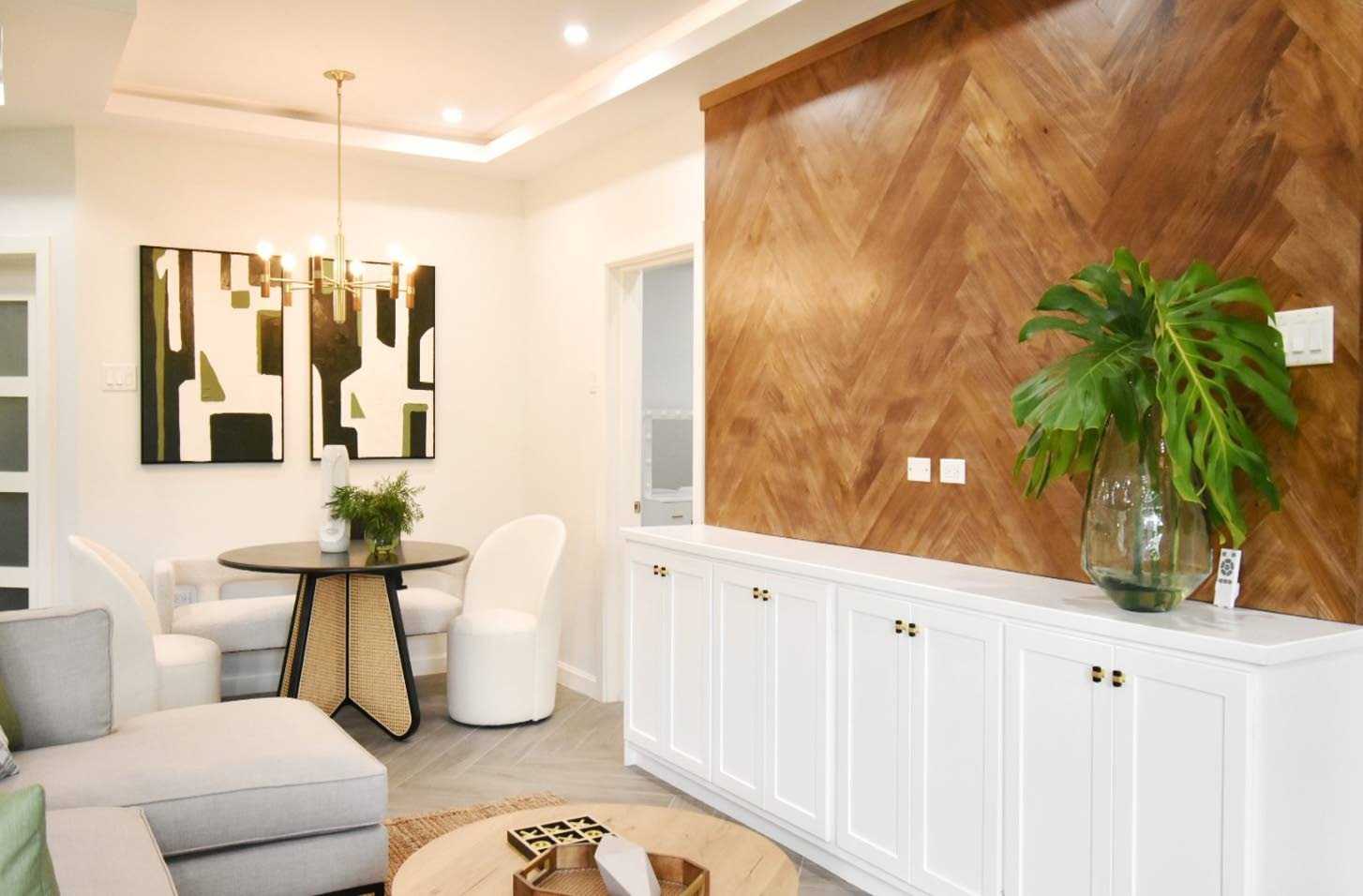
Cane dining table, solid wood media unit and herringbone wall cladding create an organic, tropical modern ambiance in this apartment. If Walls Could Talk
Dark mahogany wood furniture
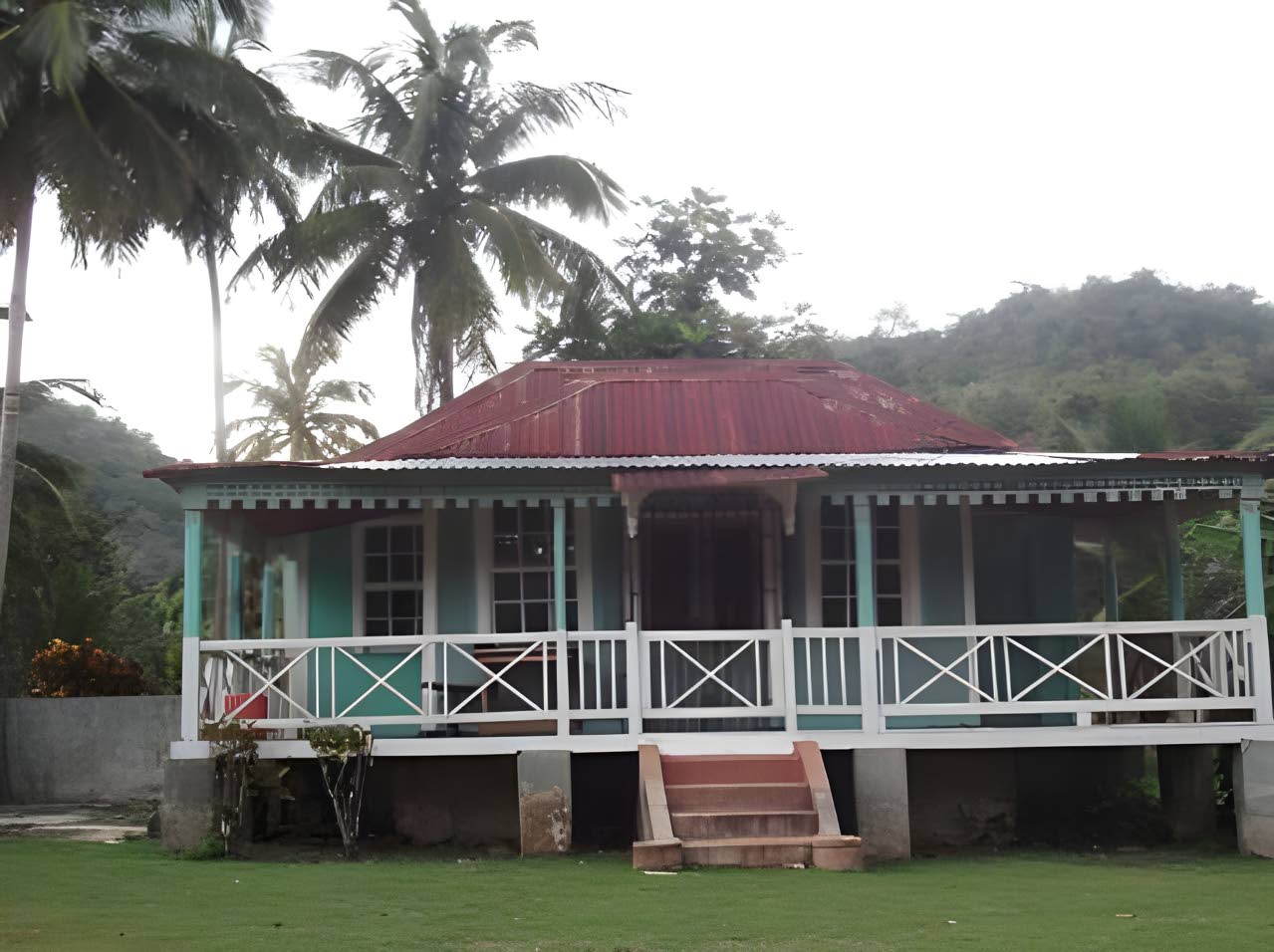
Gingerbread style or chattel homes are still celebrated among the architectural and design elements in the Caribbean that people have grown up with.
Beaded doorways
Red clay or wooden floors
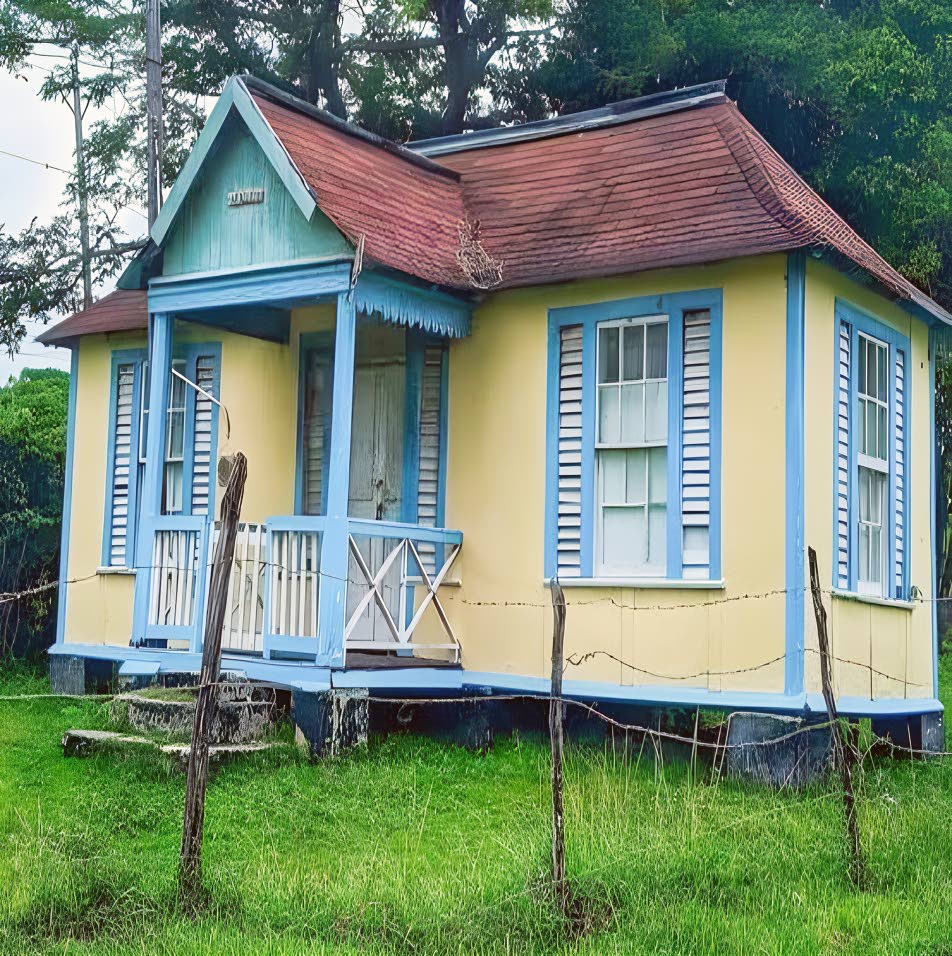
Gingerbread style or chattel homes are still celebrated among the architectural and design elements in the Caribbean that people have grown up with.
Tapestry upholstered sofas and Rooms styled with antique heirlooms
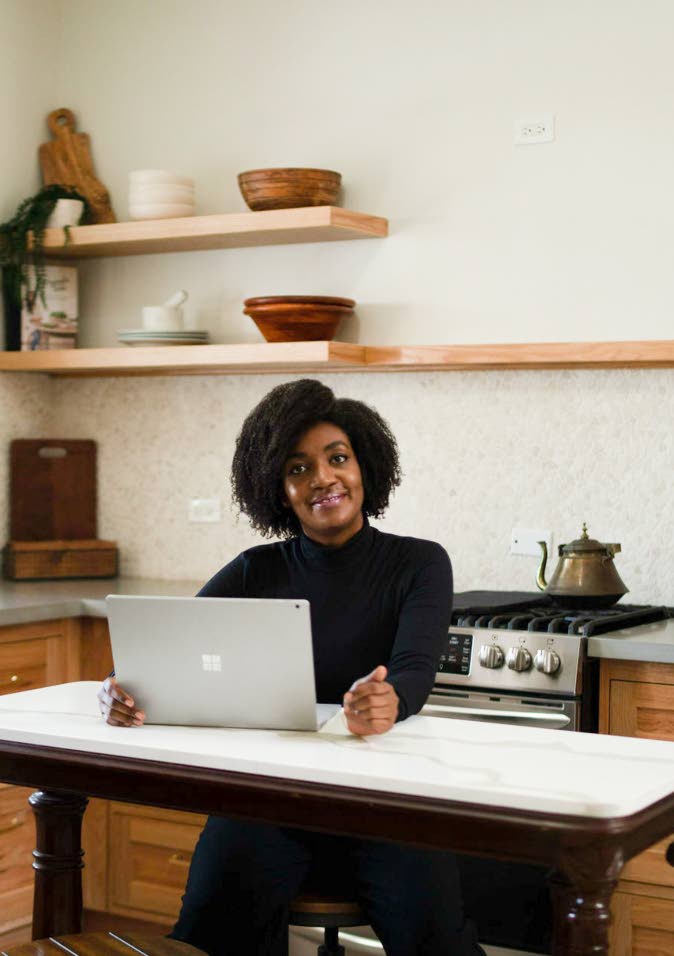
Joelle Smith, CEO/lead designer, If Walls Could Talk (James Mitchell)
These images evoke a sense of nostalgia for many of us. They are all iconic, cultural elements that have slowly faded from our identity as Jamaicans (and yes, some of them are relics of our colonial ties), but nevertheless, we made them our own.
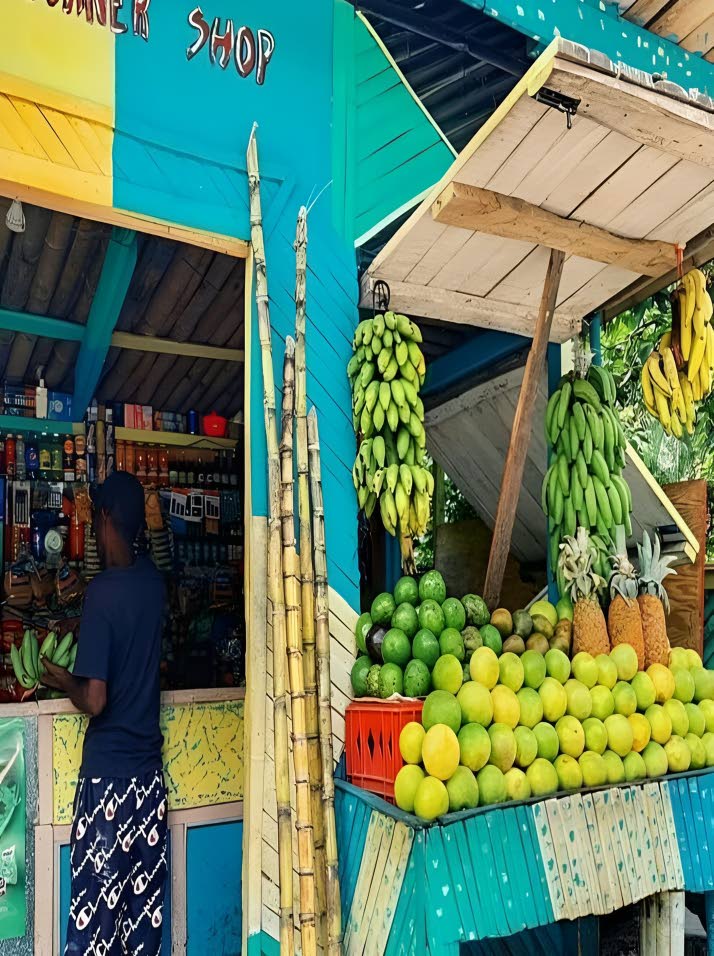
Vibrant coconut stalls and corner shops remain iconic elements of Jamaica’s cultural identity. Kelee Fabre Photography
Technological advancements have rendered many things obsolete, but that is a product of our development as a nation, and we are proud of that, but I encourage us to look at some of the ways in which we have traded our Jamaican-ness to blend in with the rest of the world, to keep up with design trends and create more affordable buildings and interiors, and, is there a way to adapt to modern systems and materials without losing our sense of self?
The choice between a solid wood kitchen and one made from engineered wood has become more difficult in recent years, due to an increase in global production of ready to instal medium density fibreboard (MDF) cabinets. Although solid wood cabinets still lead in popularity, MDF has outpaced traditional solid wood in annual growth, securing its position as the fastest-growing material segment in the kitchen cabinet market with a 6.2 per cent compound annual growth rate. And while there is a strong argument for the cost benefit and overall efficiency of prefabricated millwork, how are we incorporating the ‘Land of wood and water’ into the spaces we design if we continue to substitute the elements that add texture for materials that merely mimic texture?
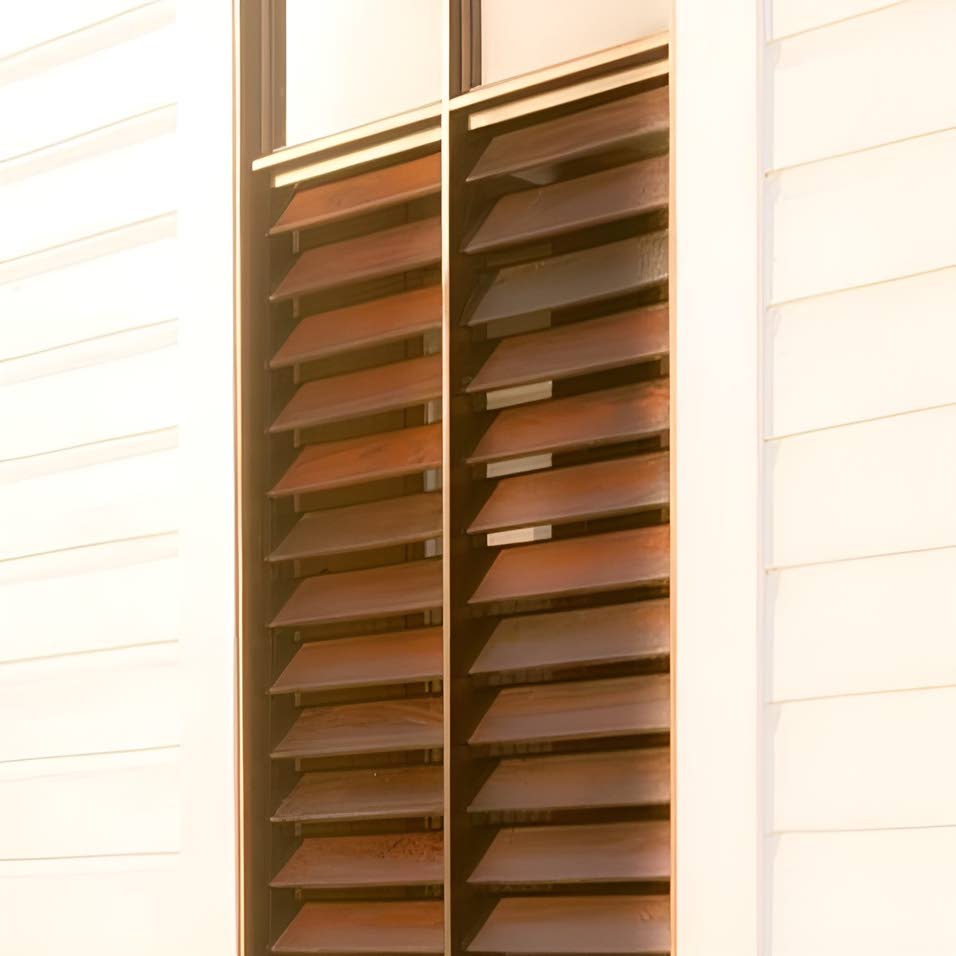
Louvred windows are a highly functional design element that have largely been replaced with glass casement alternatives — losing both the privacy and the effortless natural airflow that jalousies were built to provide.
I have been to many estate sales, mostly because I love looking at antiques, and one thing I have noticed, is that the whatnot and the breakfront are always the last to leave the lot. Again, these pieces originated in Europe and were adopted by Jamaica, but they were also adapted! Historically, it wasn’t as seamless as it is now to import furniture, so we were forced to fabricate our own. In doing this, we were able to create versions of these pieces that were unique to Jamaica.
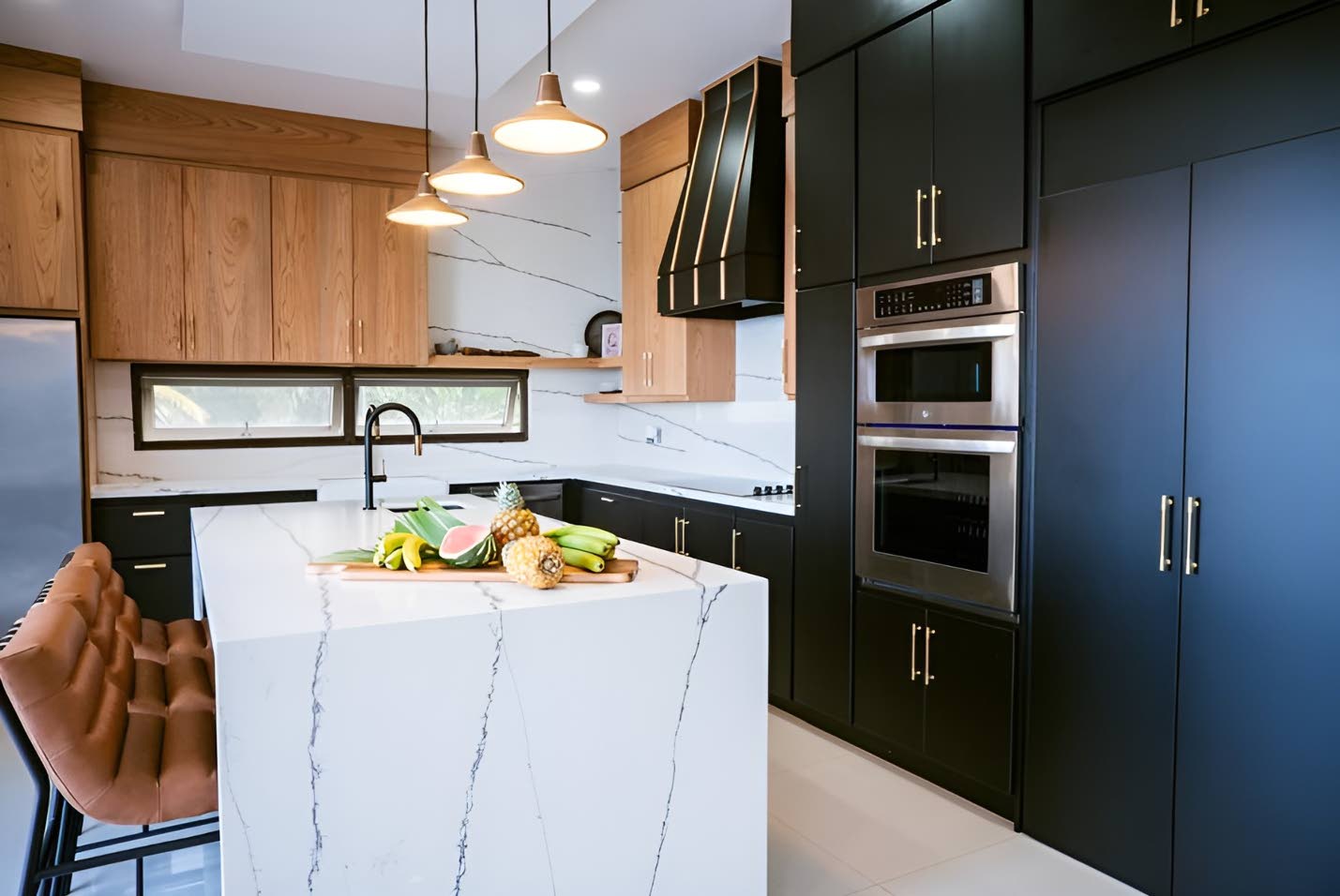
The choice between a solid wood kitchen and one made from engineered wood has become more difficult in recent years, due to an increase in global production of ready-to-instal medium density fibreboard (MDF) cabinets.
Local furniture designers, sculptors and cabinet makers like Burnett Webster, Alvin Mariott and Ralph Turnbull swapped the typical soft woods used in the European versions of these furniture pieces for heavier, stained solid mahogany, cedar and blue mahoe native to Jamaica, carvings of pineapples and banana leaves were incorporated into the designs, and upholstery was often substituted for cane/wicker which were breathable and better suited for the tropics. We used the resources readily available to us to create solid pieces of furniture that could withstand hurricanes, mould, and importantly, time. Solid wood furniture was currency and passed down as heirlooms. Today’s mass-produced furniture could never keep up with the longevity of a Jamaican whatnot.
There was a time when, to live in a Jamaican home was to be surrounded by texture. Caning or wicker were used frequently for rugs and furniture. Many of our material choices were not simply for aesthetics. Beaded doorways and cotton window treatment facilitated airflow throughout the home. Today, we use roller shades and solid doors and wonder why the house is always hot. Now, let us have a moment of silence for louvred windows. A highly functional architectural element that we have replaced with glass casement windows that can offer neither the privacy nor natural airflow that Jalousie windows/ louvres were designed to facilitate. Vernacular architecture, designed for the Jamaican climate like verandas, homes elevated on stone or wooden pillars, pitched roofs and fretwork all served to cool homes naturally. Now we simply buy ceiling fans and airconditioning units and blame El Nino.
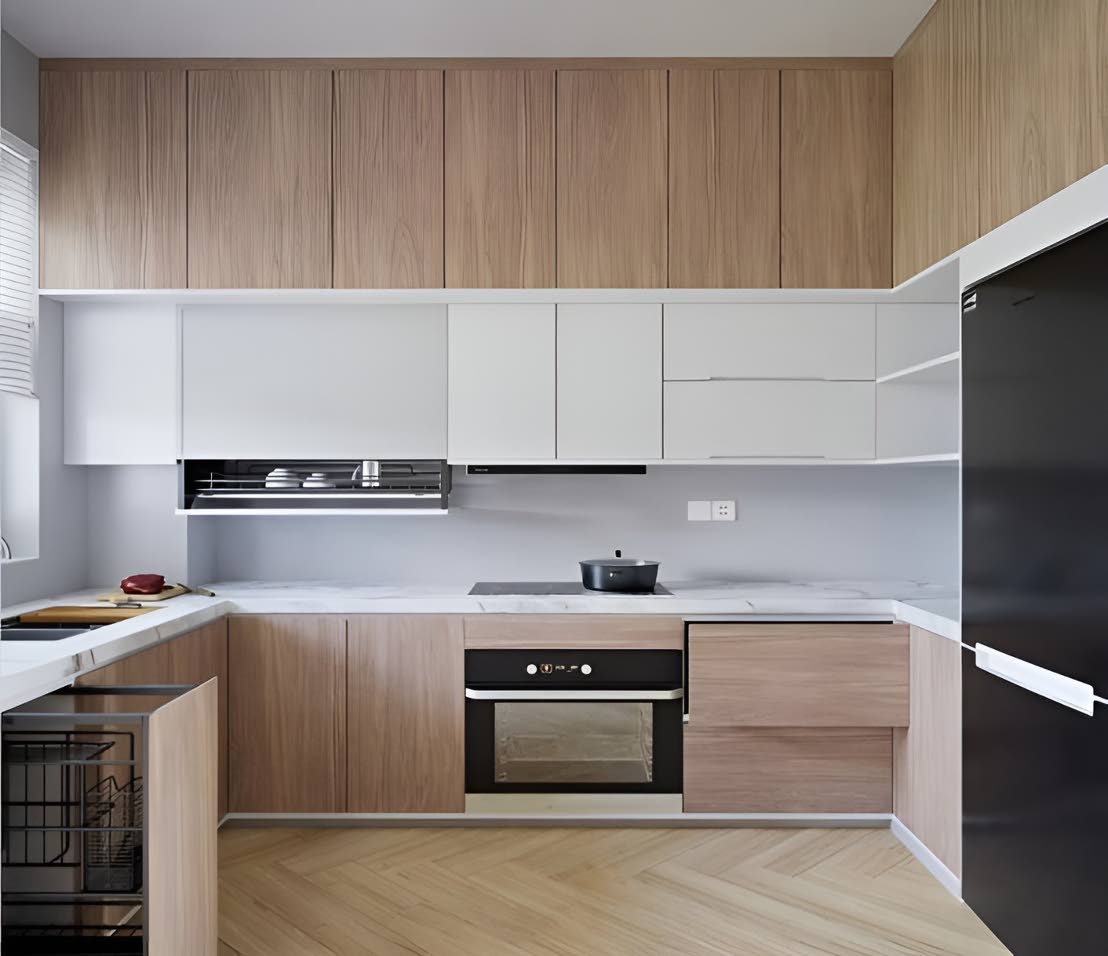
Medium density fibreboard is the fastest-growing material segment, with a projected compound annual growth rate of around 6.2 per cent.
Change is good, development is good, globalisation is good and access to affordable material is critical. In 2025 Statin reported Jamaica’s import spending at US$7.5 billion, 85-90 per cent of our furniture and building finishes (outside of paint and cement) is imported. We are at the mercy of shifts in design trends and global innovation standards that aren’t often best suited for our climate or our cultural identity. But this is the world we live in. The questions is, how do we maintain our Jamaican-ness and profit from it?
Three of Jamaica’s most internationally recognised luxury properties are Round Hill Hotel and Villas, GoldenEye and Half Moon. This is not by coincidence. All of these properties utilise many of the architectural and design elements mentioned earlier that form part of our traditional design identity. Ralph Lauren and Chris Blackwell had a choice; they could have renovated their establishments into ultra-modern concrete structures with prefabricated furniture but chose to lean into our Jamaican-ness. Too often, we tend to lean out.
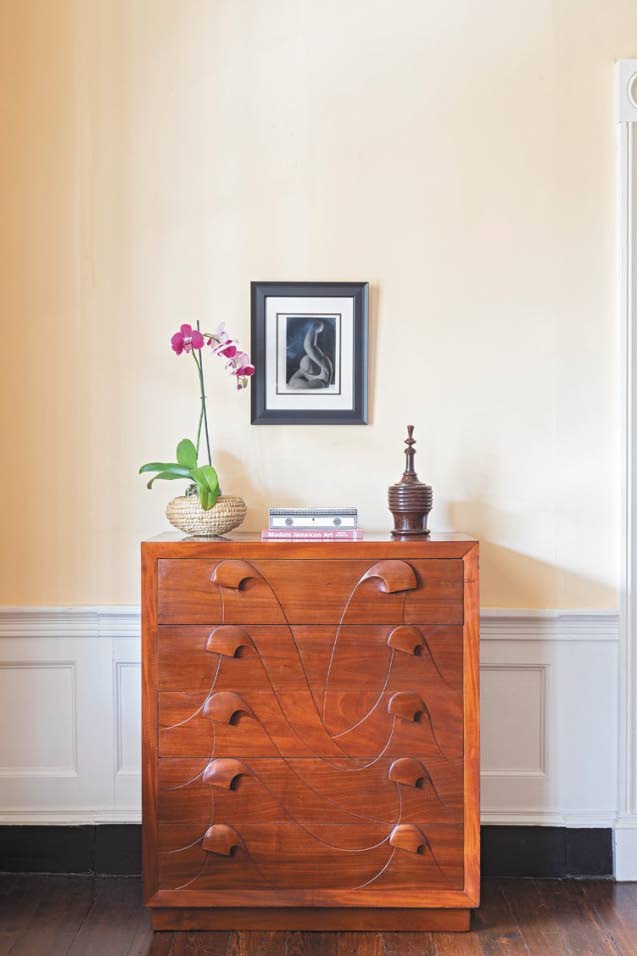
A mahogany chest of drawers designed by Burnett Webster and fabricated by woodworker and sculptor Alvin Marriot. Julia Lynn Photography
Industry leaders can find ways to incorporate the Jamaican vernacular into our designs by simply adding a few solid wood pieces of furniture, utilising local art, and even repurposing an old breakfront or heirloom instead of dismissing it as not trendy. Incorporating materials like limestone, which was once manufactured in Jamaica with varieties such as Hellshire marble and Serge Island Green Marble, not only adds texture but utilises a material that represents approximately 70 per cent of the island’s surface. I am not advocating for Jamaican homes to become museums, or that we reinstall red clay floor tiles, but I am asking for us to understand the principles behind the vernacular and reinterpret them. That might look like, one beautifully made local piece of furniture, contemporary shelving inspired by a whatnot, and blending traditional Jamaican elements comfortably beside modern finishes.
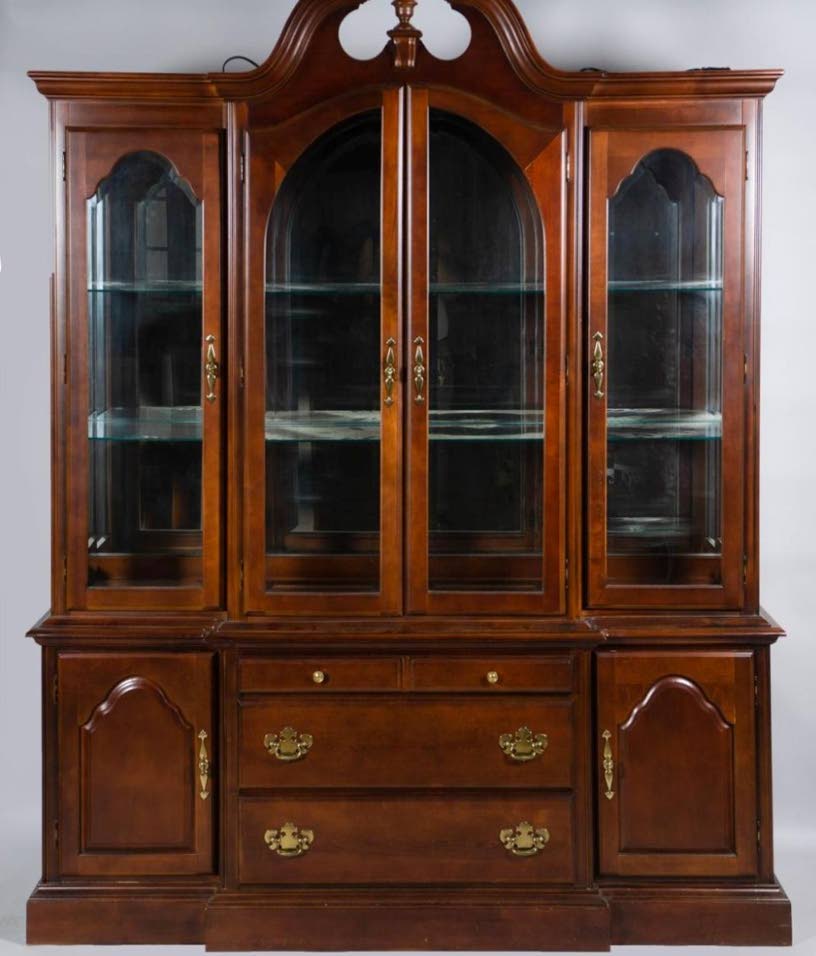
While the breakfront originated in Europe, Jamaican artisans made it their own by crafting it from heavy, stained solid mahogany built to last.
Hurricane Melissa taught us how vulnerable we are, but it also taught us how loved we are by so many people around the world. We are loved for our Jamaican-ness, and if we channel our creativity and resilience into preserving all the things that make us unique, we may very well see not only the social, but also the economic benefits of that shift. Imagine reviving our local furniture industry to its glory days (when manufacturing peaked at 27.3 per cent of GDP with furniture as a massive mainstay subsector). Imagine a renewed interest among our youth in millwork and carpentry as viable paths to wealth creation. Imagine incorporating our architecture and design into our tourism product by offering tours dedicated to that discipline. Imagine introducing specific building codes, aesthetic zoning or charters that preserve the architecture in specific zones, like those that exist in parts of Europe, Latin America and Morocco.
An article recently described a project on the north coast as a Miami-style development, and it prompted me to ask, when we modernise Jamaica, what are we aspiring to look like? Is it Miami? What does it say about the visual identity we’re assigning to Jamaican development? Design is so much more than maximising square footage and choosing the path of least resistance; it is a representation of our island, our people and our identity. Let us strive to be cultural stewards, and design spaces that celebrate our Jamaican-ness.
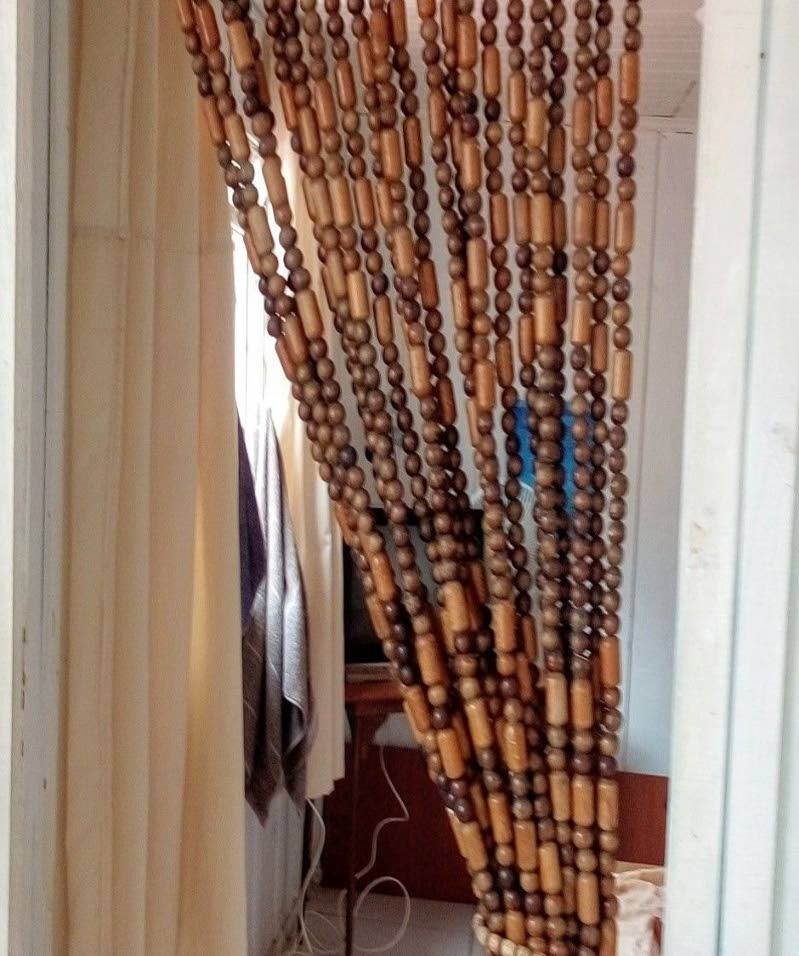
Beaded doorways allow continuous airflow while maintaining subtle separation between living spaces.
— Joelle Smith
CEO/lead designer, If Walls Could Talk
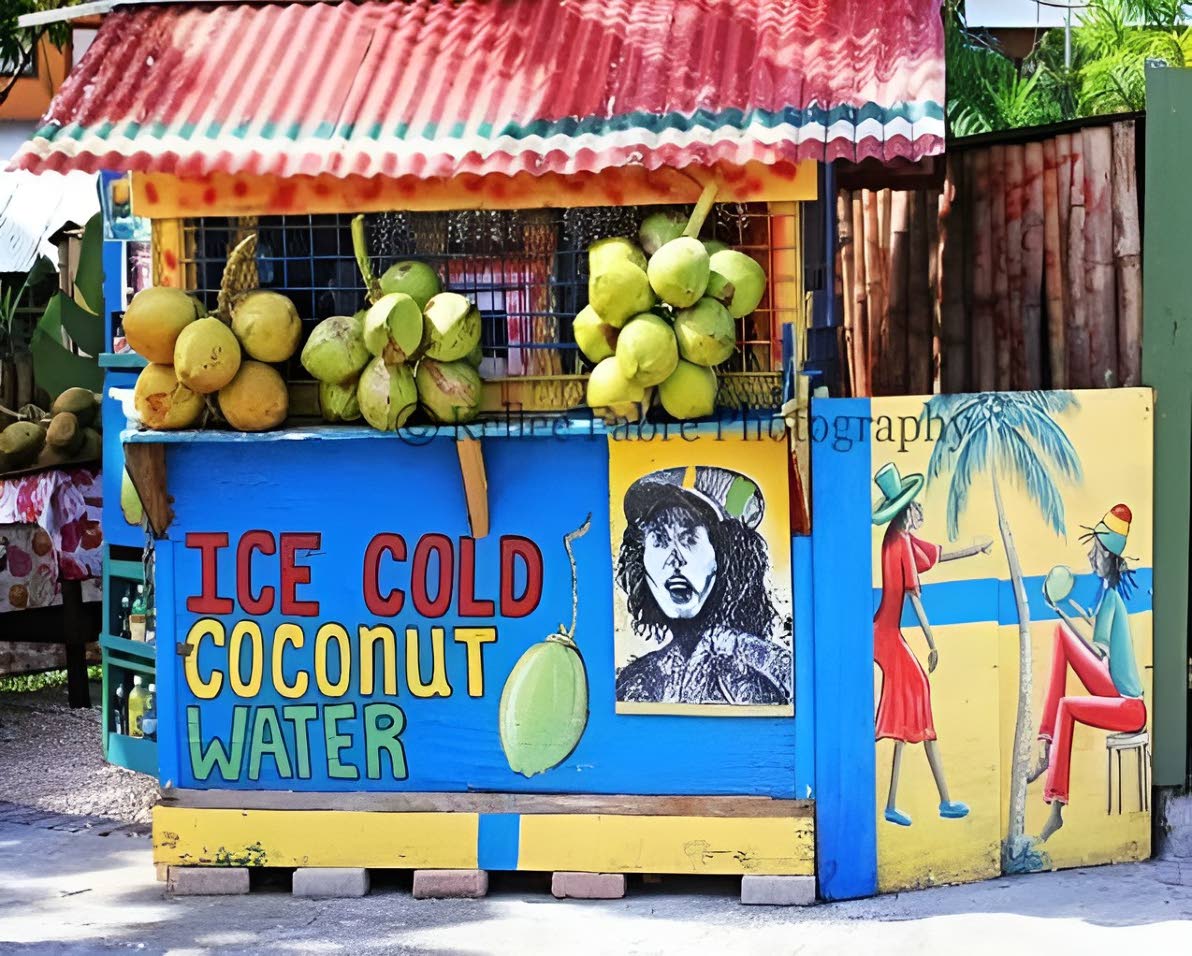
Vibrant coconut stalls and corner shops remain iconic elements of Jamaica’s cultural identity. (Kelee Fabre Photography)
Photos courtesy of Pinterest, David Skinner Antiques, Julia Lynn Photography, If Walls Could Talk, Kelee Fabre Photography, Round Hill Hotel and Villas, and Half Moon Resort


