



Sorrow and prayer not enough
Catholic Church must move beyond pardon to reparation for slavery, say academics
MONTEGO BAY, St James — The Roman Catholic Church must move beyond expressions of sorrow and requests for forgiveness and confront its historical responsibility for the enslavement of Africans through meaningful acknowledgement, institutional accountability and reparation, Professor Anna K Perkins has declared.
She was supported by Professor Sonjah Stanley Niaah, director of UWI’s Centre for Reparation Research, who questioned whether the Church’s own traditions might be limiting its understanding of accountability.
Delivering the keynote address during the opening of the Transatlantic Reasonings Conference 2026 at Iberostar Waves Rose Hall in St James last week, Perkins — who is professor of Caribbean theology and ethics at The University of the West Indies (The UWI) — challenged the Church to ensure that its expression of regret over slavery becomes the beginning of genuine reconciliation and justice, rather than an end in itself.
“A request for pardon can be a beginning. It cannot be the end,” she said.
Perkins was responding to Pope Leo XIV’s first encyclical, Magnifica Humanitas, issued in May 2026, in which the pontiff acknowledged the Church’s historical tolerance of slavery and sought forgiveness for the suffering and humiliation endured by enslaved people. While welcoming the statement as significant, Perkins questioned whether its treatment of the Church’s involvement in slavery went far enough, particularly in confronting the Transatlantic Trade in Africans and the system of racialised chattel slavery.
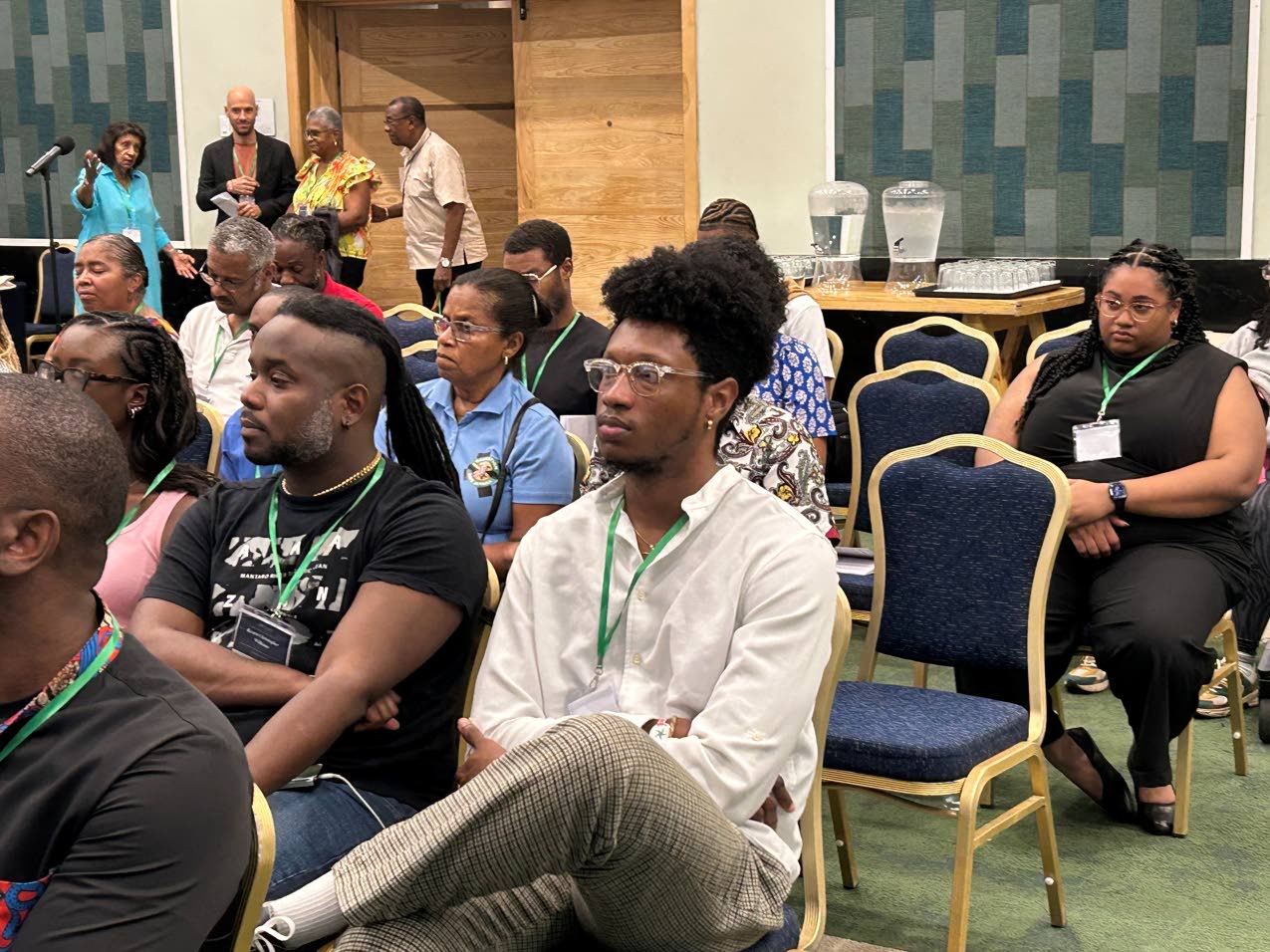
A section of the delegation in attendance at the Transatlantic Reasonings Conference 2026 in St James last week. (Photo: Horace Hines)
“The question before us is, therefore, not whether the Pope’s words matter. They do. The question is whether the historical and theological framing that accompanies the request for pardon adequately confronts the Church’s responsibility for its role in the enslavement of Africans,” she said.
Drawing on the Catholic Church’s theological understanding of the purification of memory, particularly a six-year-old document by the International Theological Commission, Perkins distinguished between personal guilt and an institution’s continuing responsibility for historical wrongdoing.
She explained that while present-day Catholics do not inherit the personal guilt of historical perpetrators, the institution remains responsible for confronting the continuing consequences of its past.
“The objective [is] wrong, and the consequences of that wrong can persist,” she insisted.
Perkins argued that seeking forgiveness must involve more than spiritual confession. It must include truth-telling, listening to affected communities and appropriate acts of reparation.
“A papal request for pardon can be penitential before God while also requiring direct truth-telling, apology, listening and reparation in relation to those harmed,” she said.
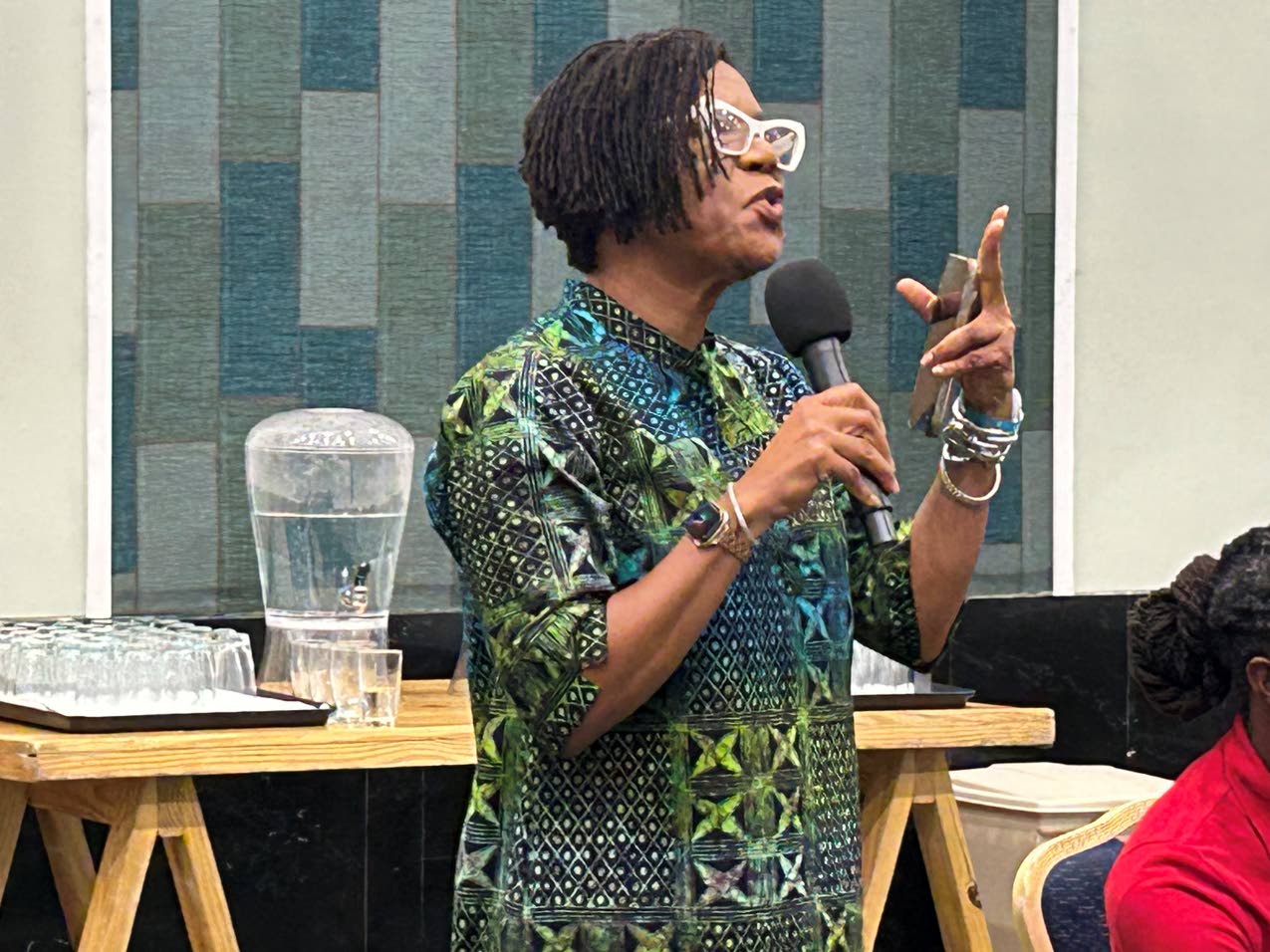
Director of UWI’s Centre for Reparation Research, Professor Sonjah Stanley Niaah, raising a question during the opening of the Transatlantic Reasonings Conference 2026 at Iberostar Waves Rose Hall in St James last week. (Photo: Horace Hines)
She cautioned that expressions of remorse must not become substitutes for addressing the material consequences of slavery, including institutional benefits, inherited inequalities and continuing disadvantage.
Pointing to paragraph 89 of the Pope’s encyclical, which identifies acknowledgement of harm, just reparation and measures to prevent recurrence as elements of justice, Perkins said those principles could help guide the Church’s response to its historical involvement in slavery. She stressed, however, that the passage did not establish a specific reparations programme.
She called for a comprehensive examination of the Church’s archives, historical decisions and institutional holdings, alongside direct engagement with descendants of enslaved Africans and Caribbean communities.
The presentation prompted pointed questions from participants, including Alton Bell of the United Kingdom-based Movement for Justice and Reconciliation, who challenged the absence of practical accountability.
Bell questioned who had the authority to hold the Catholic Church and the Pope accountable, arguing that expressions of regret were inadequate, given the Church’s considerable institutional wealth and its failure to commit resources to communities affected by its historical involvement in enslavement.
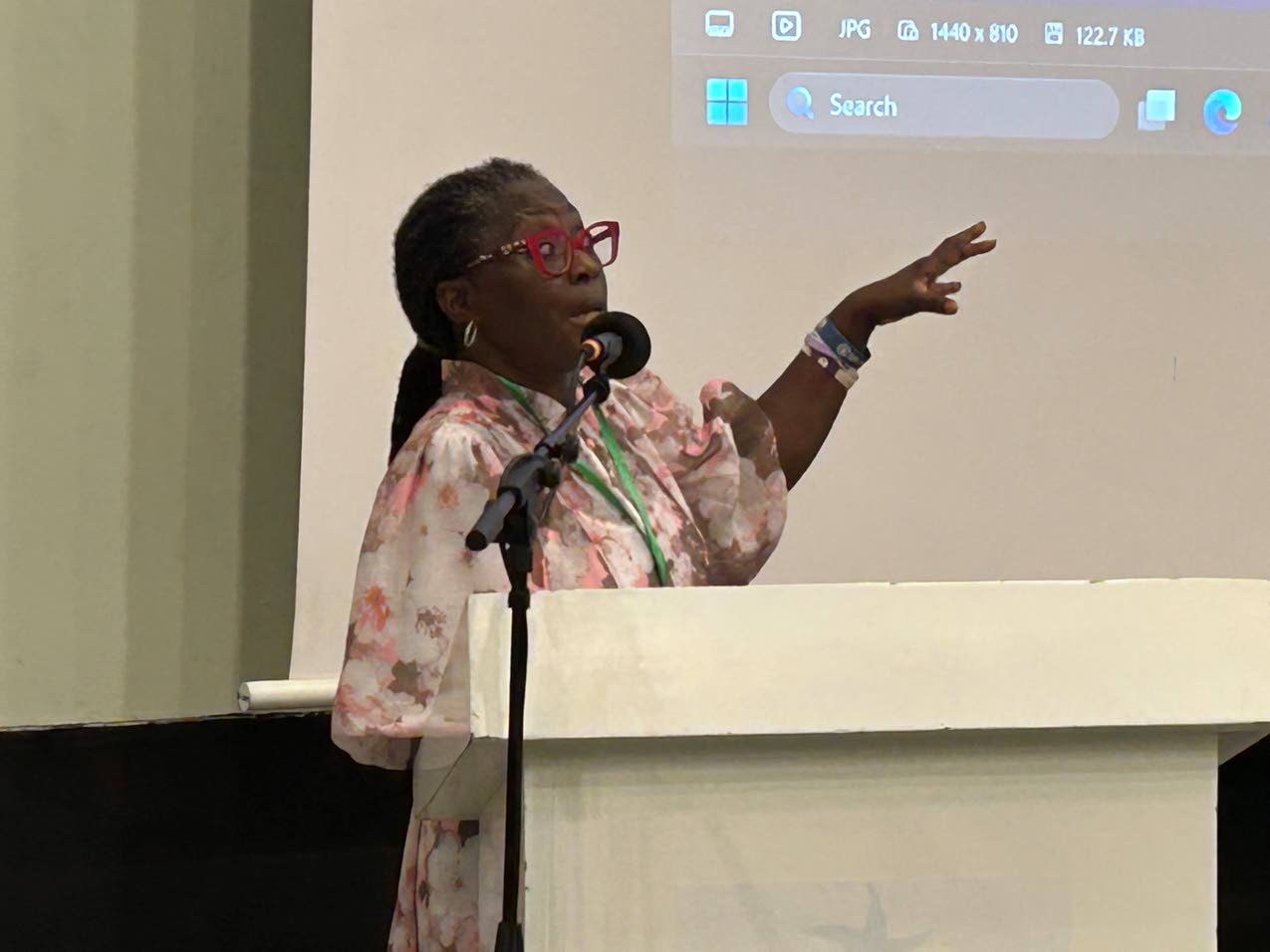
Professor of Caribbean Theology and Ethics at The University of the West Indies, Dr Anna K Perkins, delivering the keynote address during the opening of the Transatlantic Reasonings Conference 2026 at Iberostar Waves Rose Hall in St James last week. (Photo: Horace Hines)
He questioned why the institution had not put its resources towards practical interventions in those communities.
Meanwhile, in reflecting on Perkins’ presentation, Stanley Niaah suggested that centuries-old Catholic practices of confession and atonement might encourage the belief that admitting wrongdoing and seeking forgiveness are sufficient to resolve historical offences.
She wondered whether the established practice of confession could prevent the Church from recognising the need for further action to address the consequences of its past.
The exchanges took place during the four-day conference, held from November 12 to 15 under the theme, ‘The Possibility of Forgiveness? Encountering the Legacies of Colonialism in the 21st Century’.
The international gathering brought together academics, religious leaders and other participants to examine the enduring consequences of slavery and colonialism, and the relationship between forgiveness, reconciliation and reparatory justice.


