



Consultation clash
Opposition, Gov’t argue about details of plans to impose GCT on short-term rentals
THE Government says it has consulted stakeholders on its plan to impose General Consumption Tax (GCT) on short-term rental accommodations, but when pressed in Parliament last Tuesday to identify who was consulted, when and where, Finance Minister Fayval Williams had no immediate details to provide.
The exchange has intensified questions about how prepared the Government is to introduce the measure on April 1, 2027, with Opposition Members of Parliament warning that property owners are still uncertain about the rules they will be expected to follow.
At the centre of the dispute is whether small property owners and managers, many of whom use platforms such as Airbnb to rent rooms, apartments, and houses to visitors, have been properly involved in shaping the tax arrangements.
Williams, who was responding to questions tabled by Manchester Southern Member of Parliament (MP) Peter Bunting, told the House on Tuesday that the Government had spoken with representatives of the tourism industry, accommodation providers and other interested parties. However, she did not name any of the organisations involved or state when the meetings took place.
Bunting and Opposition spokesperson on finance Julian Robinson questioned the account, saying they had spoken with people in the short-term rental business who told them they had not been consulted.
Bunting challenged Williams to identify the representatives of the smaller operators with whom the Government had met, arguing that discussions with large hotels and tourism groups would not necessarily mean that the concerns of small property owners had been heard.
“I know you met with the JHTA [Jamaica Hotel and Tourist Association] and the big representatives of the big hotels, but when and where did you meet with the small operators?” Bunting asked.
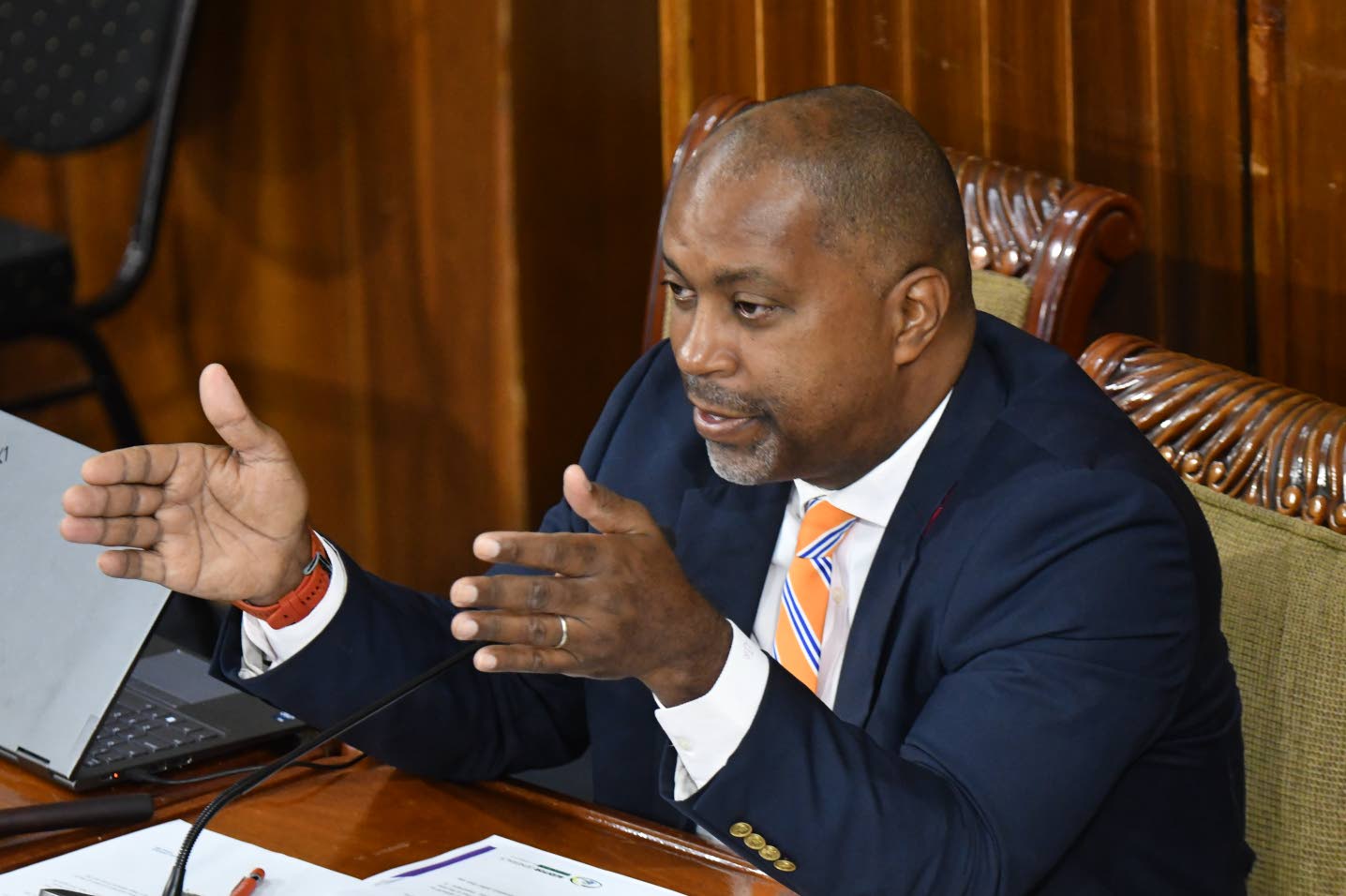
ROBINSON… I don’t know one person who has been consulted about this in the short-term rental market.
Robinson later repeated Bunting’s concern.
“You stated here that you had consultations with the persons. Please state when, where, and who you met with, because in every discussion I’ve had nobody, I don’t know one person who has been consulted about this in the short-term rental market,” he asked.
In her response, Williams said she would obtain the details of the consultations and report back to the House.
The disagreement over consultation comes as several important parts of the proposed system remain unsettled, including whether the existing $15-million annual GCT registration threshold will apply to short-term rental operators and who will be responsible for collecting and paying over the tax when bookings are made through overseas platforms.
Williams said the application of the threshold is still under consideration, with a decision to be announced once finalised. This means some smaller operators do not yet know whether they will be required to register for GCT.
The minister also said the final arrangements would determine whether responsibility for collecting and paying over the taxes rests with the accommodation provider or the booking platform.
Under the general rule outlined by Williams, a registered taxpayer providing a service is responsible for accounting for the tax. However, she noted that the GCT Act makes the operator responsible in the case of tourist accommodation. She added that the Government is also working on arrangements to collect tax through non-resident digital platforms.
Williams also said GCT would apply to the full amount paid by the guest for the accommodation service, rather than only the money received by the property owner after a booking, platform deducts its commission.
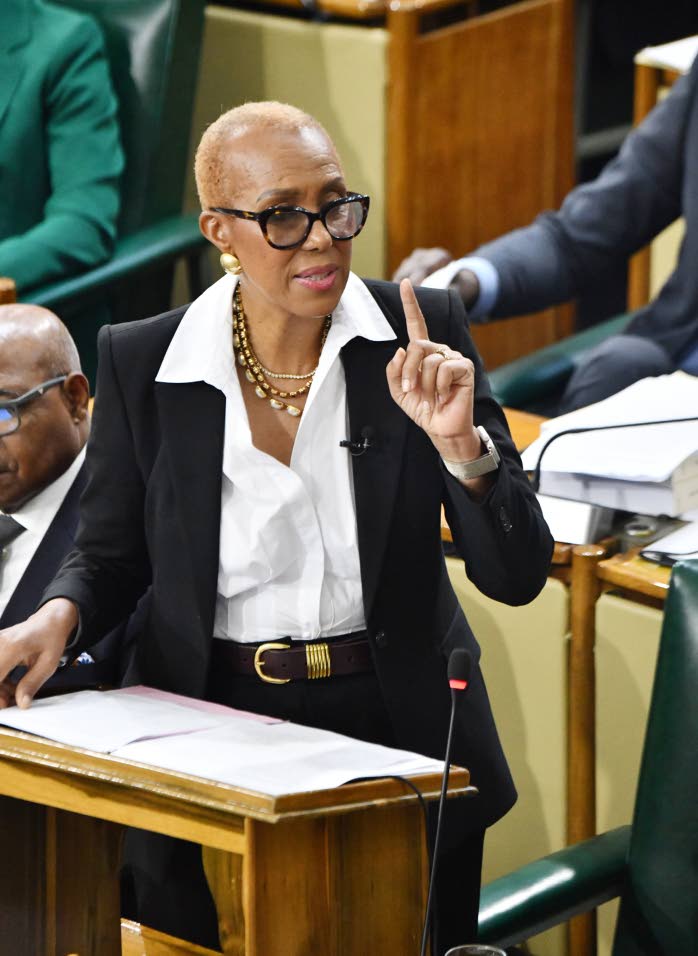
Williams said final arrangements would determine whether responsibility for collecting and paying over the taxes rests with the accommodation provider or the booking platform.
She further indicated that cleaning, property management, booking and other mandatory fees would generally be included where they form part of the accommodation service.
Bunting argued that the combined effect of platform charges and the proposed tax could place a heavy burden on small Jamaican investors, particularly at a time when the tourism industry is facing pressure.
He told the House that
Airbnb had moved to charge hosts a 15.5 per cent fee, which he said was previously shared between hosts and guests. He argued that adding GCT and other charges could leave owners with a significantly smaller share of the money paid by visitors.
Bunting also questioned the timing of the measure, saying operators were already accepting bookings for next year without knowing the final tax rules.
“An industry which is under pressure and in recession, this is not the time to add additional taxes to this. This is crazy! Minister, are you willing to reconsider putting this tax on at this time?” he asked.
Williams did not indicate that the Government would delay the measure, instead she defended the policy.
“It is common practice in many, many countries to collect taxes from those who are in the Airbnb sector,” she said.


