



Garden Restoration After The Storm (Part 2)
The clean-up after Hurricane Melissa is far from over, but thankfully the restoration work has begun. Style Observer Gardening (SOG) continues exploring ways of restoring storm-damaged gardens with Plantology 876 principal Stacy Thompson.
Thompson emphasises that the heavy rains have leached the soil of its vital elements. Therefore, a critical step in any garden restoration is replenishing the soil’s nutrients to ensure plants can truly flourish.
“When re-establishing an area that has experienced extensive water exposure, be aware that essential nutrients will have washed away. For those spaces that are waterlogged, find ways to make trenches so that the water will be able to run off,” Thompson advises. “To restore the soil, you need to reintroduce what was lost. You can do this by applying mulch, compost, or fertiliser (organic or synthetic) as well as topsoil if needed.”
To provide plants with the necessary nutrients, Thompson suggests applying organic fertilisers directly to the roots. Excellent sources include eggshells, yam skins, and fruit peels. Options for synthetic fertilisers include 20:20:20 fertiliser which contains key nutrients for plant growth: Nitrogen, phosphorus, and potassium. A slow-release fertiliser that provides a steady, gradual supply of nutrients to plants over an extended period is also recommended.
Thompson notes that even though the initial clean-up is difficult, it presents an opportunity to adapt and make positive change. Consider full restoration to the original garden or experiment with a new design.
“Ultimately, the decision boils down to the homeowner’s preference. For me, this moment of restoration is an ideal time to try something new. If you previously had roses, now might be the perfect time to plant hibiscuses, or switch from hibiscuses to orchids,” Thompson suggests.
Immediate restorations, she points out, would vary between five and 10 days, depending on the extent of the damage. Some restorations will take longer as homeowners might prefer to take their time getting gardens to the preferred level.
While garden restoration can be a painstaking journey, Thompson offers a word of encouragement: Though the garden may look different now, with time and effort, it can be restored to its former glory — or even better.
“The first and most important step is proper clean-up. Don’t rush it. Once that foundation is set, the rest follows. I promise you, the blooms will return. While things may look different for a few months, taking your time now ensures that over time, we can restore this garden to its previous beauty or even surpass it,” Thompson said.

Stacy Thompson, principal, Plantology876
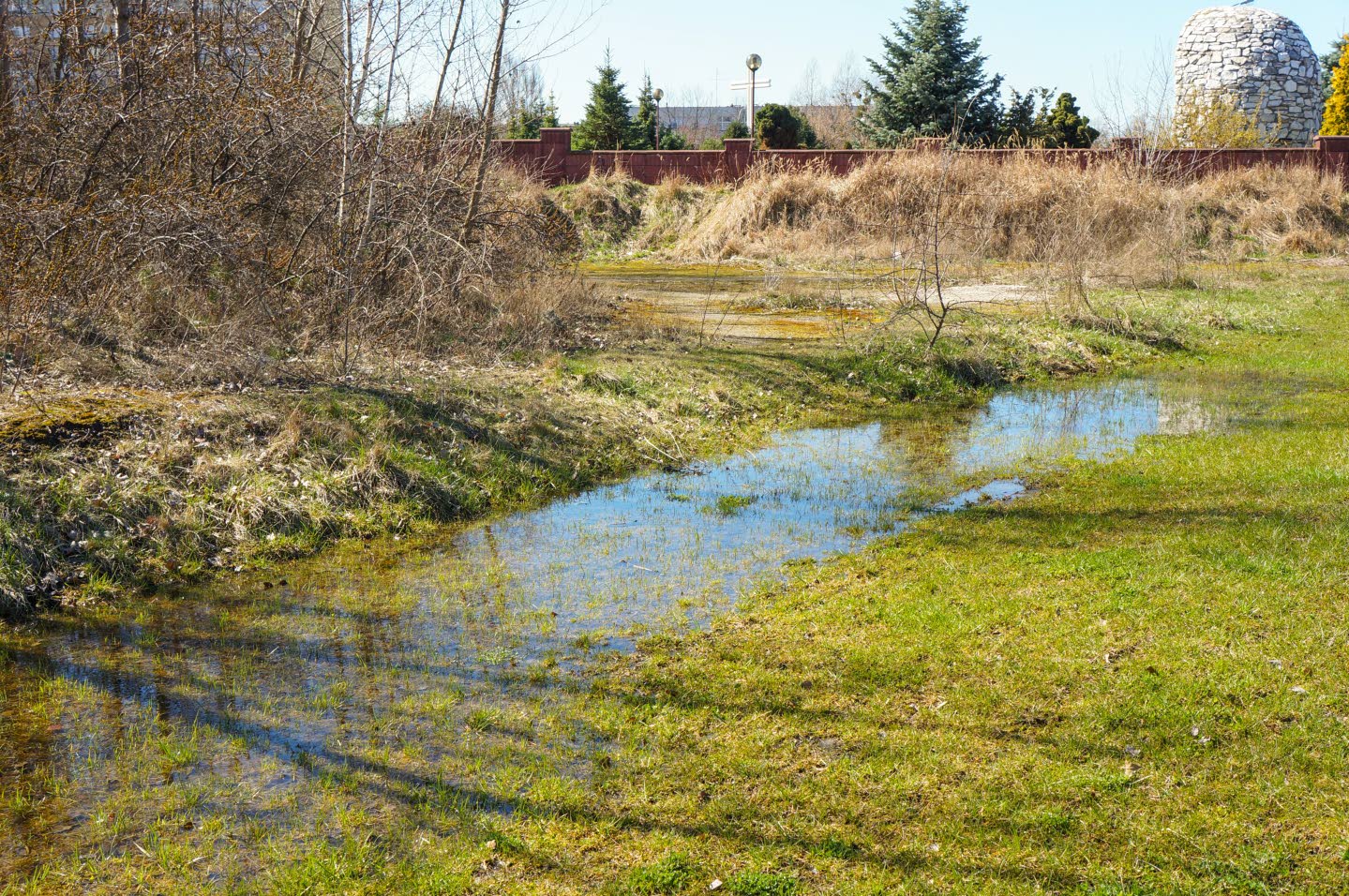
For spaces that are waterlogged, find a way to make trenches to allow water to run off.
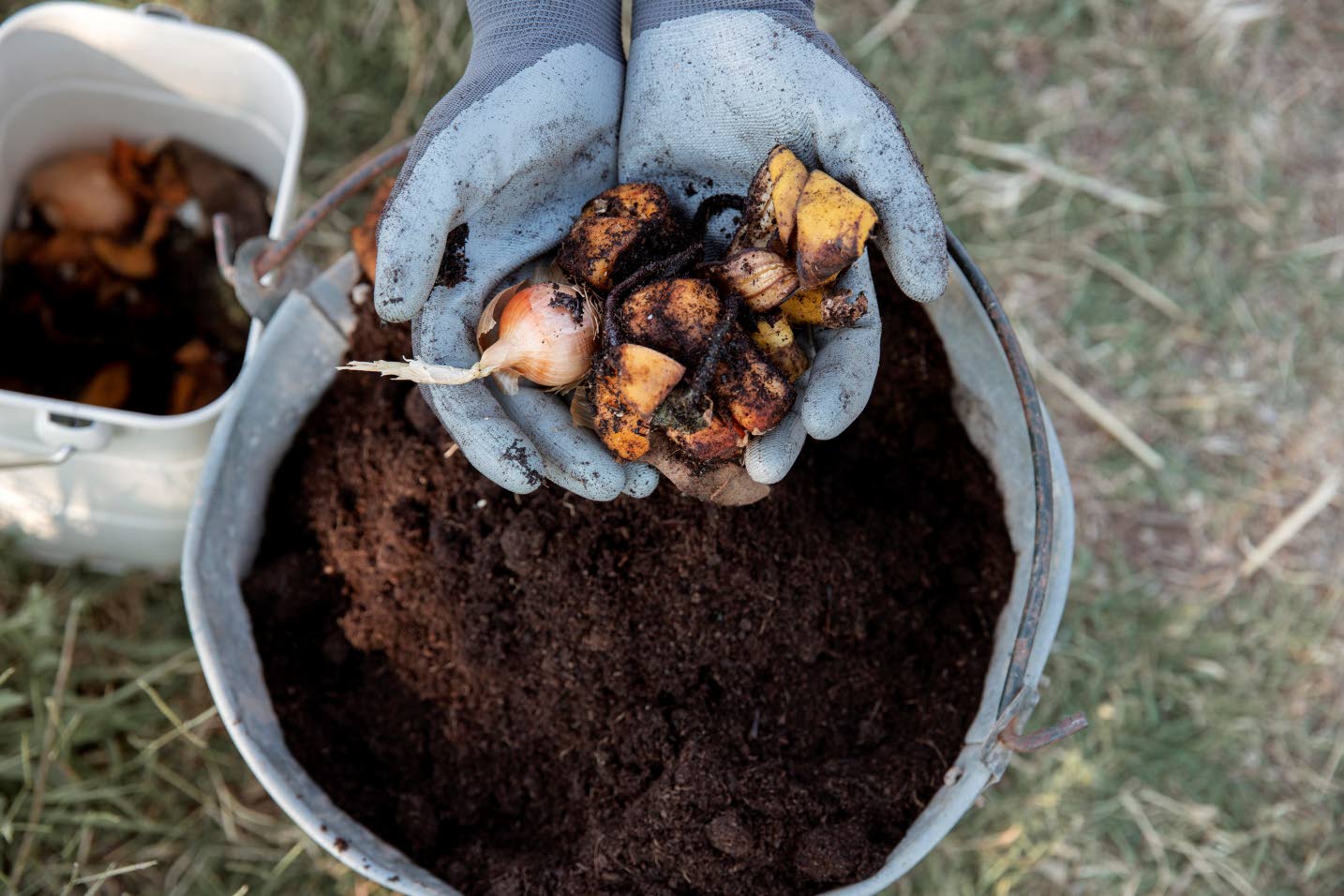
To naturally replenish lost nutrients in soil, try using organic fertilisers. Ingredients like fruit peels and yam skins are excellent, affordable sources that provide plants with the essential nutrients needed.
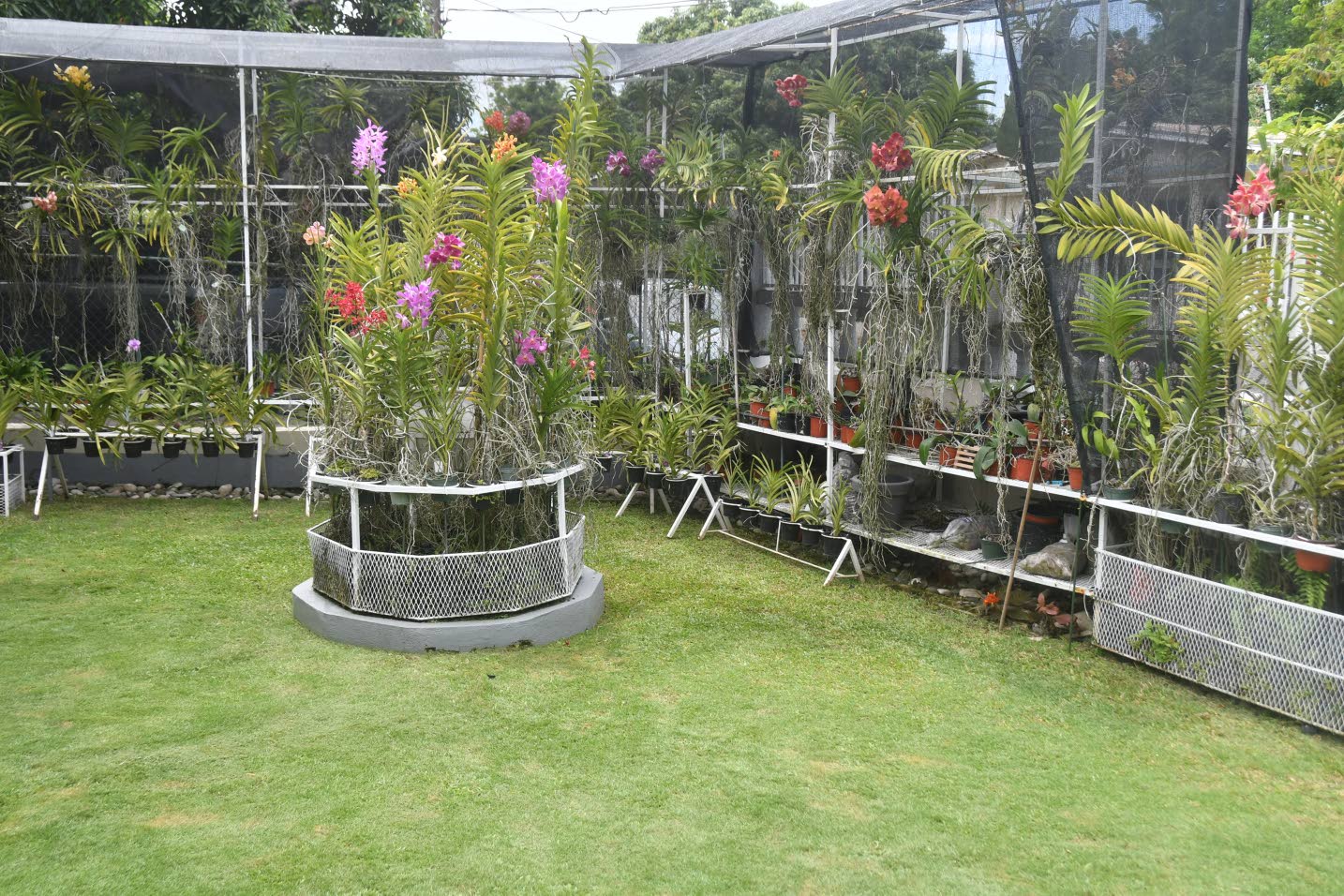
Use this restoration period as an opportunity to experiment. If you had roses before, consider diversifying and planting something unique, like orchids. (Photo: Garfield Robinson)


