



Loyalty or liability?
Big Wall shooting reignites entourage debate
The fallout from Sunday’s shooting at Big Wall continues to ripple through Jamaica’s entertainment landscape raising questions about the culture of entourages in dancehall and the risks that come with them.
The incident, which left three individuals nursing gunshot wounds, reportedly involved producer Jahvy Ambassador, members of artiste 450’s camp, and popular podcaster Jaii Frais.
In the 48 hours since, the matter has dominated public discourse, with many not only highlighting the events of that night, but the long-standing norms that may have contributed to it.
Speaking with the Jamaica Observer, popular TikToker and content creator 1Clauze contextualised the issue within dancehall’s history, acknowledging that entourages have long served a purpose. He argued, however, that their current scale often undermines their intended function as the groups become harder to regulate.
“Historically speaking I can understand why it is that artistes feel they need to have that many people with them. Everyone is supposed to serve a purpose… but what’s happening is that there ends up being too many of them, sometimes men that the artiste doesn’t even know personally. When you look at the entourages, sometimes it’s up to 30 different men, and I can’t see how all of them serve a purpose that benefits the entertainer,” he said.
For Clauze, the issue is not just about numbers, but about structure, leadership, and foresight. He believes the absence of strong mentorship within the industry has left younger artistes without guidance on how to keep their ‘soldiers’ in check.
“It’s a shame to see that this outdated practice still has this kind of outcome,” he said. “You don’t have the dancehall legends and elders being mentors to the upcoming artistes… There needs to be communication between yesterday’s generation and today’s crop of artistes.”
Cultural analyst Professor Donna Hope echoed that concern, stressing that the disconnect between generations is a critical gap in the dancehall space.
“The young men in dancehall, they don’t respond very well to elders. In reggae they have elders that they listen to and will talk to. I don’t hear that in dancehall, especially with the new wave of artistes,” she said. “I feel like the role of elders is critical in this conversation because you must have older men in the business who have been through the wringer and are now much calmer. They can highlight the dos and don’ts.”
She added that, while the risks are well known, they are often not taken seriously until consequences arise.
“We know you can’t leave your head back careless as artistes, but your egos and the egos of those in your circle need to be checked. None of what happened on Sunday was necessary,” Hope charged.
Arguing his case for entourage members to have clearly defined roles, Clauze posited that the inclusion of loosely affiliated individuals in entourages can do more harm than good.
“There’s a lot of ways to empower the young men in your community and offer support than taking them to a party… They don’t contribute to your product or your brand in any way, so we have to stop feeling sorry for some of these men and just leave them behind,” he said.
Drawing on Vybz Kartel’s experience, Clauze pointed to the long-term consequences of an unchecked “bad man” culture within an artiste’s circle.
“Kartel will be the first to tell you these days that bad man parring and image and lifestyle isn’t conducive to long-term success. It cost him 13 years of his life and countless amount of money, and not to mention the cost of watching your kids grow from the sidelines,” he said, adding that, in his view, clearer boundaries and professionalisation are necessary.
Offering a broader perspective, Hope noted that entourages remain deeply embedded in dancehall’s ecosystem, functioning as both support systems and symbols of status.
“You can’t just get up and say we have to be finished with entourages, that’s not how it works,” she explained. “They actually play a role in the careers of hard-core dancehall artistes… It’s part of the artiste’s ‘ego-system’. It’s there for protection, it displays loyalty… all of them play some kind of role.
“[T]he men who are a part of these crews always think it’s their duty to protect the name and reputation of their artiste by any means necessary,” she continued.
The professor went on to caution entourage members on the consequences of their actions.
“There are so many things in today’s digital space that you can’t PR away, some things will never die,” she said.
“And right now, 450’s profile has taken a hit, even more than Jahvy, his manager. I don’t think within the entourage any of them thought through what would happen if they had a public and violent confrontation with Jaii Frais,” Hope said.
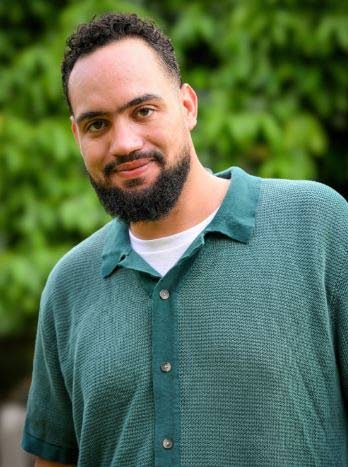
1Clauze
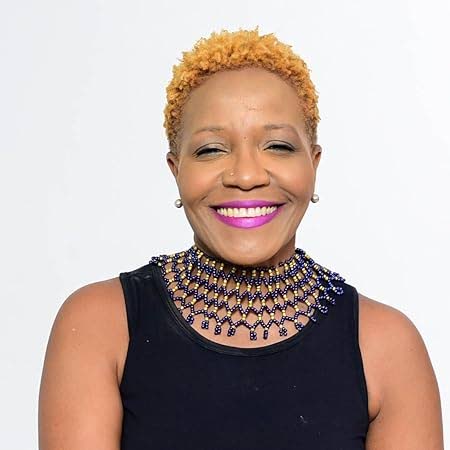
Professor Donna Hope


