



Glyphosate in Bread and the Food Supply
In early February 2026, the Florida Department of Health made headlines when it released the results of an expanded food-testing initiative that looked at glyphosate residues in staple foods. As part of its Healthy Florida First campaign, state officials tested several popular bread products sold in grocery stores, and the results showed detectable levels of glyphosate in multiple brands. The announcement attracted widespread attention because it was one of the first times this type of residue testing had been made public for a common packaged food item.
Laboratory analysis found glyphosate — a widely used agricultural herbicide — in six out of eight bread samples tested. Detected levels ranged from about 10 parts per billion up to around 191 parts per billion. Although those figures were well below the maximum limits allowed by regulatory authorities in the United States, the report sparked debate about consumer transparency and what constitutes meaningful information about pesticide residues in food. Brands reported to show detectable glyphosate included familiar names such as Nature’s Own “Butterbread” and “Perfectly Crafted White”, Wonder Bread Classic White, and Sara Lee Honey Wheat. Some products, like Sara Lee Artesano White and Pepperidge Farm Farmhouse White, showed no detectable glyphosate in the specific samples tested.
Industry groups responded by emphasising that all products were within legal safety limits, while consumer advocates stressed the importance of public access to residue data. While the specific breads tested are not widely sold in Jamaica, the coverage highlights a global conversation about herbicide residues, food safety testing, and consumer awareness.
What Is Glyphosate?
Glyphosate is a chemical herbicide used extensively in agriculture to control weeds that compete with crops. Since its introduction in the 1970s, it has become one of the most frequently applied weed killers worldwide. It works by interfering with a plant enzyme pathway essential for growth — one not found in humans or animals — which is why many regulatory agencies consider it low in direct toxicity to people when used according to label instructions.
Regulators in different countries set legal thresholds for how much glyphosate residue may remain on food crops after harvest. These maximum residue limits are designed to include safety margins based on animal studies and exposure models. Although these limits vary by country and food type, they are intended to protect public health by keeping residues at levels regulators view as unlikely to cause harm.
How Glyphosate Gets Into Bread
Glyphosate does not get added to bread intentionally, nor does it play a role in baking. Instead, its presence in bread is a consequence of agricultural practices used on wheat — the primary grain used to make bread flour. Farmers sometimes apply glyphosate as a weed control measure during the growing season, or as a pre-harvest desiccant to dry out crops uniformly before harvesting. When wheat is harvested and milled into flour, tiny residues of glyphosate that remained on the grain can carry through to the flour and eventually into baked products.
Because bread consists mainly of wheat flour, water, yeast, and salt, any residues present in the flour have the potential to be detected in the final product, especially with advanced laboratory techniques capable of measuring substances at parts per billion. These trace amounts do not necessarily mean that a health risk exists, but they do raise questions about farming practices and how food safety is monitored and communicated to the public.
Glyphosate in Other Foods
Bread is not the only food category in which glyphosate residues can show up. Foods made from crops treated with glyphosate — such as wheat, oats, barley, soy, and corn — may carry traces of the herbicide. For example, grain products like cereals, pasta, and crackers may include small residues if their ingredients came from conventionally grown crops that were treated with glyphosate. Legumes such as soybeans and peas, as well as products made with beet sugar or other derivatives, can also contain detectable residues. Even some fruits and vegetables may show trace amounts depending on agricultural methods.
Processed foods that combine many ingredients might offer cumulative exposure to low levels of glyphosate if several of those ingredients originated from sprayed crops. However, like with bread, the detection of trace levels in food does not automatically signal danger; it underscores why regular monitoring and testing are important.
Health Risks: What Research Says
The presence of glyphosate residues in food has inspired debate among scientists, regulators, and consumer advocates. Agencies such as the US Environmental Protection Agency generally maintain that glyphosate is unlikely to pose health risks at levels below established residue limits. These limits are based on research that includes safety margins and considers potential exposure from multiple dietary sources.
However, some scientific bodies have taken a different view. The International Agency for Research on Cancer, part of the World Health Organization, has classified glyphosate as “probably carcinogenic to humans” based on limited evidence from human studies and stronger evidence from animal models. This classification reflects a cautious interpretation of certain data and does not align with all regulatory evaluations. Other researchers have raised concerns about possible effects from long-term, low-level exposure across many foods, although this remains an area of active study.
Crucially, even when residues are detectable, they are often far below levels regulators consider acceptable. The challenge for consumers is weighing this information in the context of everyday food choices and personal risk tolerance.
How Are Glyphosate Residues Detected?
Detecting trace residues of glyphosate in food relies on advanced analytical methods. Techniques such as liquid chromatography paired with mass spectrometry allow scientists to separate and measure tiny quantities of chemical compounds in complex food matrices. These methods can detect residues at very low concentrations — often at parts per billion or lower — which is why modern labs can find trace amounts in foods that were previously thought to be free of residues.
Public health laboratories, research institutions, and independent testing organisations use these methods to monitor residue levels and ensure compliance with regulatory standards. Emerging technologies, including rapid test strips and field sensors, are also being developed to provide quicker screening, though laboratory methods remain the most accurate.
What Consumers Should Know
For consumers, it’s important to understand that the detection of a chemical residue does not necessarily mean a food is unsafe. Regulatory bodies set residue limits with safety factors intended to protect vulnerable populations, including children. If a food product has residue levels below these limits, regulators generally view it as acceptable for consumption.
That said, consumers who want to reduce their exposure can make choices that align with their preferences and concerns. Eating a varied diet rather than relying heavily on one type of processed food can lessen overall exposure to any one residue. Washing fruits and vegetables and preparing meals from whole ingredients can also reduce exposure to a range of pesticides. Choosing products certified as organic or produced under low-pesticide systems may further lower residues, although environmental factors can sometimes contribute trace amounts even in organic produce.
The recent news highlights how monitoring and transparency are evolving. Public reporting of residue findings may empower consumers to ask questions and advocate for clarity in food safety practices.
Why This Matters Everywhere
Even if the specific bread brands tested in Florida are not available in your local market, the broader issue has global relevance. Glyphosate and other herbicides are used in many agricultural systems worldwide, and residues can appear in foods that are consumed far from where they were grown. The interconnected nature of the global food supply means that questions about pesticide use and food safety are relevant across regions.
Understanding how residues enter food, how they are regulated, and what the science says about potential health effects helps consumers make informed choices. As conversations about food safety continue, staying informed and engaged remains an important part of personal and community well-being.
About the Author
Allison Richards is a food safety communicator, certified trainer and the founder of The Food Safety Girl, a consumer awareness platform promoting food safety in Jamaica and the Caribbean. She is the Caribbean Chapter Director for Women in Food Safety (WIFS) and host of The Big Bite Food Safety Show. With over 14 years of experience in food safety regulation, she is committed to public education and consumer empowerment. Through public education initiatives, including free community webinars, she continues to create space for learning, dialogue, and practical food safety awareness.
Allison Richards | thefoodsafetygirlja@gmail.com-
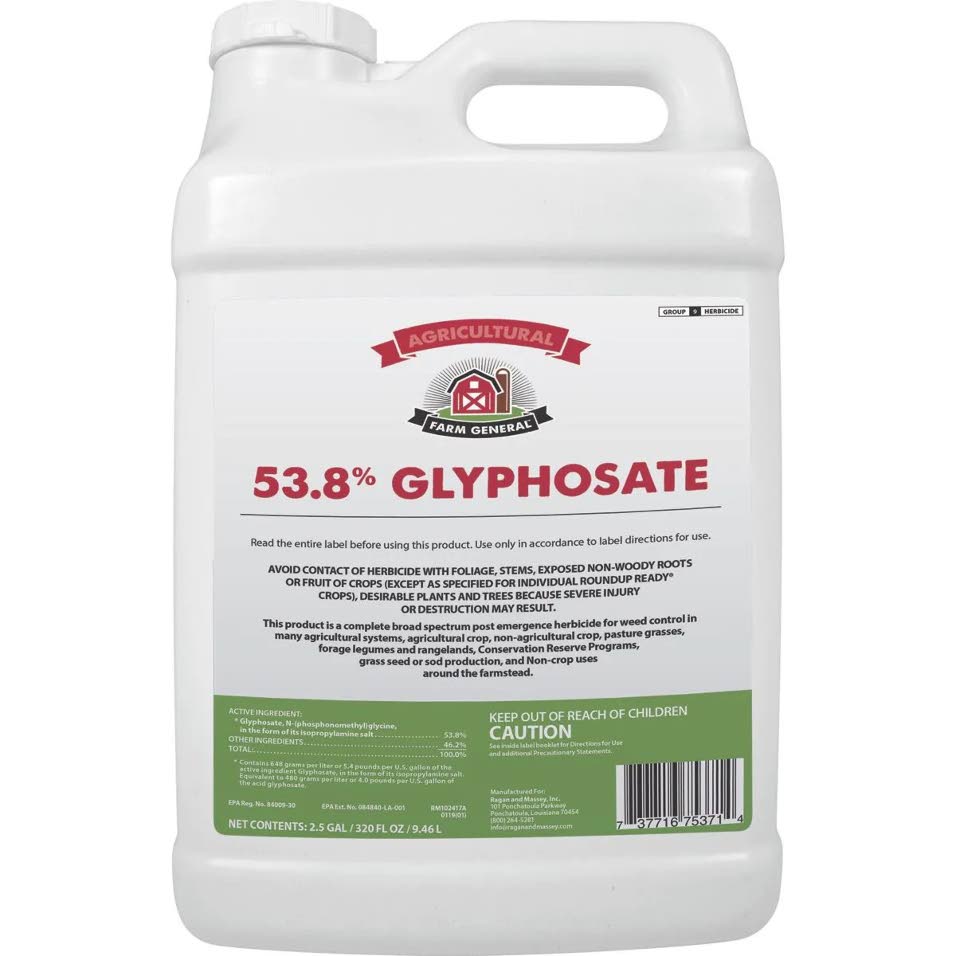
As a herbicide used to control weeds, glyphosate is subject to strict legal thresholds for residues remaining on harvested food crops.

Glyphosate is never added to bread intentionally; its presence is simply a residue of how wheat is farmed. (Photo: Ryzhkov Aleksandr)


