



Rain or Shine: A Guide to Growing Succulents During Rainy Times (Part 1)
Style Observer Gardening (SOG) welcomes back to our pages Potscapes Shoppe principal Pamela McLaughlin. McLaughlin will share just how simple living with succulents can be when you understand their needs — light, airflow, and a restrained approach to watering.
Is there a right time to start? Is the constant rain a deterrent?
“Rainy weather like this changes how we approach succulents. But it doesn’t mean you have to wait to start your collection,” she suggests.
Starting a Collection — Even Now
You don’t need perfect conditions to begin your succulent journey. In fact, starting during a rainy period can make you more aware of where your sunlight really is, and how your space is affected during wet times.
So, if you’re ready to start, keep it simple:
• Begin with a few plants.
• Choose a space before you buy anything.
• Focus on light and protection from rain.
A small, well-placed collection will do very well once all the ideal growing conditions are in place.
Tip: Start with easy-to-care-for varieties first. For example, Haworthia, Aloe, and Jade plants are forgiving and give you a chance to observe how the rainy conditions affect growth without risking delicate plants. This will build your confidence before expanding to more sensitive succulents like Echeveria.
When Rain Becomes a Problem
Rain, on its own, isn’t exactly the problem. The issue is repeated wetting of the plants without them getting a chance to dry out fully.
Succulents store water in their leaves and stems. So, when they’re exposed to frequent rainfall — especially in pots where water can linger — they absorb more than they need, and the roots stay wet for too long. That’s when you will start to see soft or translucent leaves, unexpected leaf drop, or rot at the base of the plant and/or the stem. The goal is to control the succulents’ exposure to water.
Some succulents are far less forgiving than others. Varieties with tight rosettes or soft, fleshy leaves — such as Echeveria, Graptopetalum, and some Sedum — can trap water easily and tend to deteriorate quickly in consistently wet conditions. Some Crassula, including jade plants, can also suffer from stem and root rot if left too damp for too long.
Others are more adaptable. Aloe, Haworthia, Sansevieria (snake plant), and Portulacaria afra (elephant bush) are generally more tolerant, especially when they have good drainage and airflow. They offer a bit more flexibility, particularly for beginners, but still depend on the same fundamentals of not being allowed to sit in wet soil or being watered before the soil has fully dried out.
Tip: When planting in pots, always make sure there are drainage holes and use a fast-draining soil mix designed for cacti or succulents. Adding perlite, or small gravel helps prevent water from lingering, which is crucial during wet months.
Rainy Days and Stormy Weather
There’s a difference between everyday wet spells and more extreme conditions.
Regular rainy periods — on-and-off showers and occasional heavy downpours — can usually be managed with proper placement, fast-draining soil, and careful watering habits.
Hurricane season, however, brings a different set of challenges. Wind-driven rain, prolonged saturation, and the potential for damage mean plants may need to be moved indoors or into more secure, covered areas. Loose pots and arrangements should also be considered, as they can easily be disturbed.
Tip: Consider investing in plant stands or raised shelves to keep your pots off wet surfaces during heavy rains. Even small elevations help improve airflow and reduce the risk of waterlogging.
Understanding this distinction allows you to respond appropriately without overreacting during normal conditions.
Join Style Observer Gardening next week for further insights into maintaining a thriving succulent collection during the rainy season.
Pamela McLaughlin, PhD, is the founder of The Potscapes Shoppe, specialising in an extensive selection of premium succulents and cacti and thoughtfully designed arrangements. With decades of hands-on succulent gardening experience and a background in science, she shares tips and guidance to help readers grow healthy, thriving succulents and cacti.
Email: pamela.mclaughlin@potscapesshoppe.com
Instagram: @potscapes
The Potscapes Shoppe: 29 Upper Waterloo Road, on the grounds of MegaMart
Photos: Garfield Robinson and Pamela McLaughlin
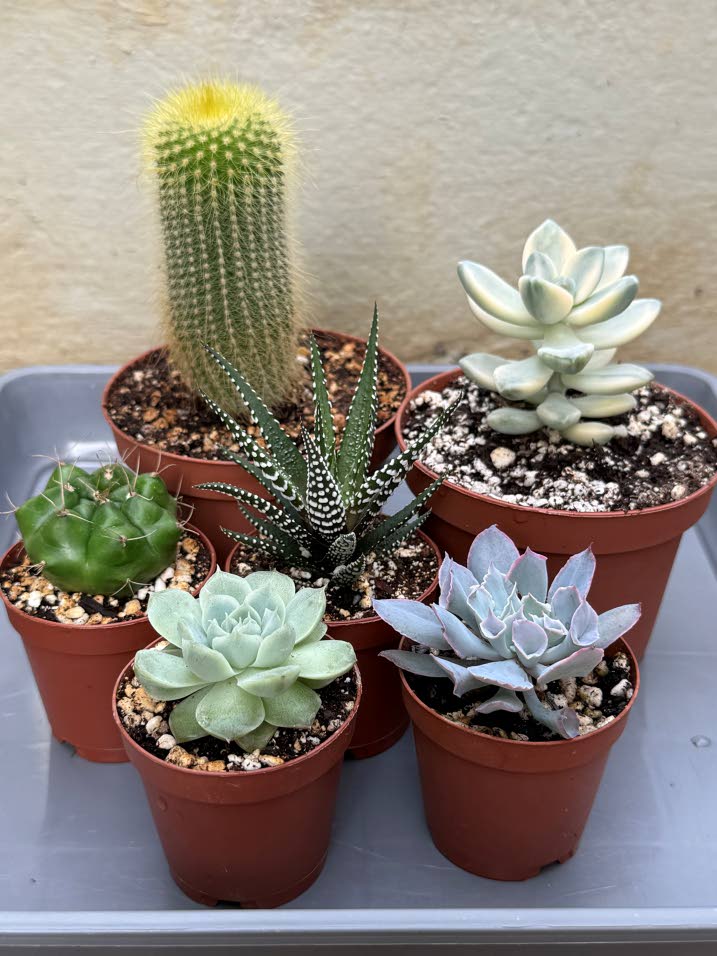
Perfect conditions are not a prerequisite for starting a succulent journey; a few well-chosen plants are all that is required to begin. (Photo courtesy of Pamela Mclaughlin)
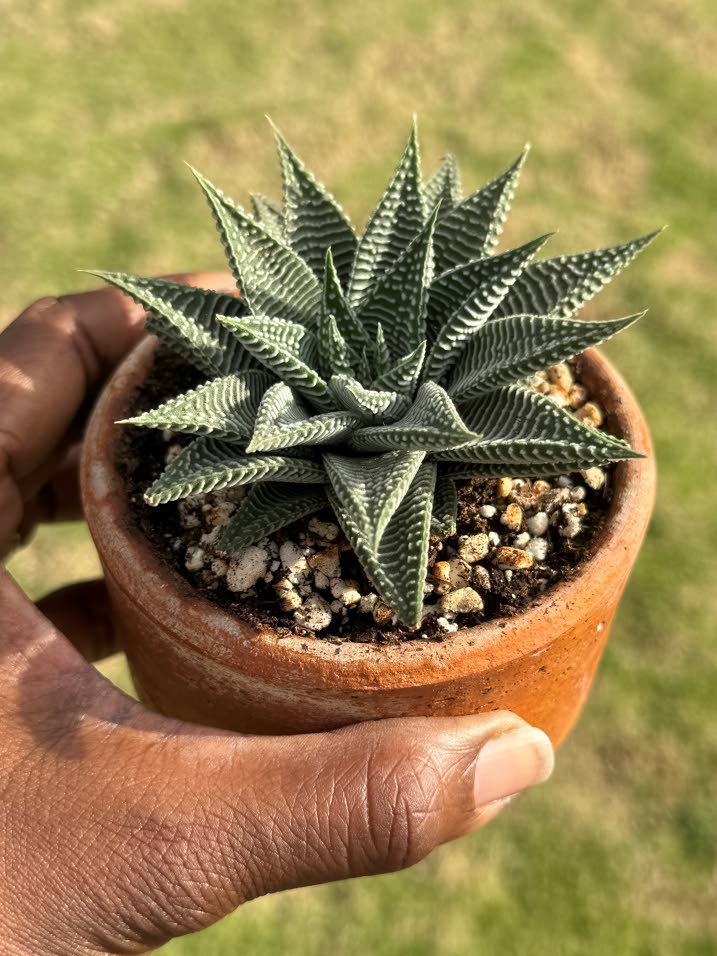
Varieties such as Haworthia are easy-to-care varieties that will give you a chance to observe how the rainy conditions affect growth without risking delicate plants. (Photo courtesy of Pamela Mclaughlin)
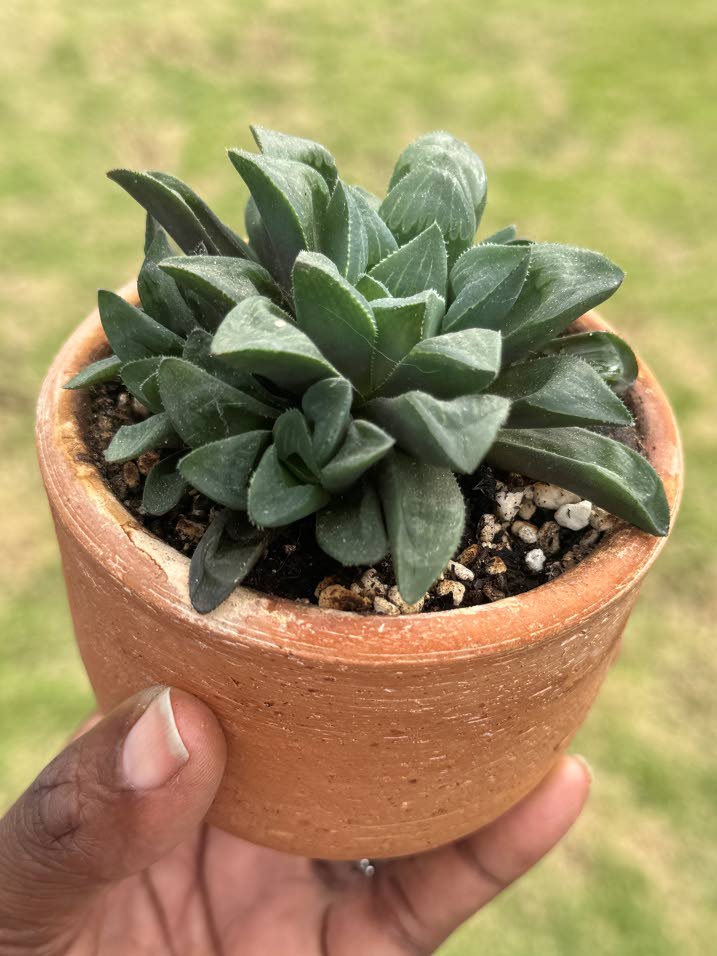
Varieties such as Haworthia are resilient and easy to maintain, offering an ideal opportunity to observe how rainy conditions influence growth without endangering more delicate specimens.(Photo courtesy of Pamela Mclaughlin)
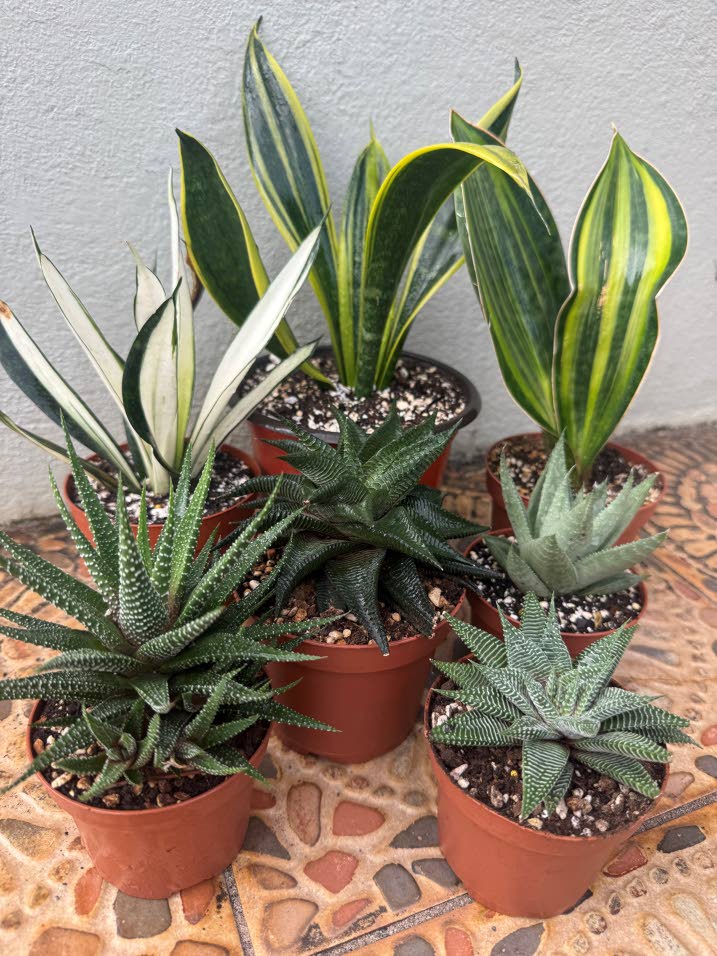
Haworthia and Sansevieria are ideal for beginners, offering more resilence provided they have excellent drainage and airflow. However, these species must never sit in damp soil; always allow the medium to dry out completely before re-watering.(Photo courtesy of Pamela Mclaughlin)
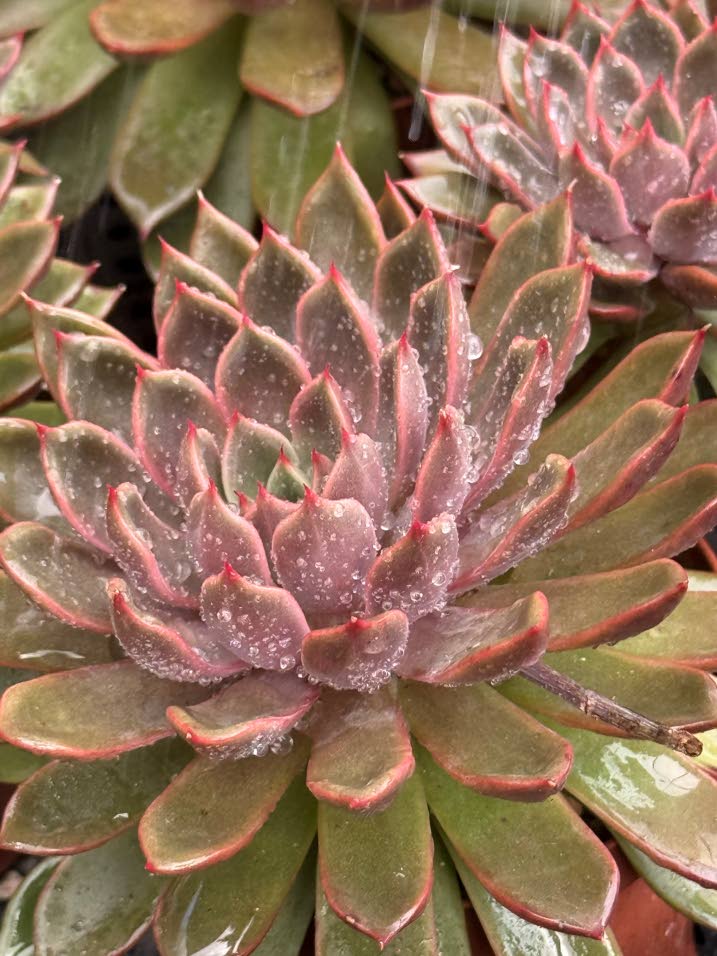
Varieties with tight rosettes or soft, fleshy leaves such as the Echeveria, trap water easily and are prone to rapid deterioration in damp conditions.(Photo courtesy of Pamela Mclaughlin)
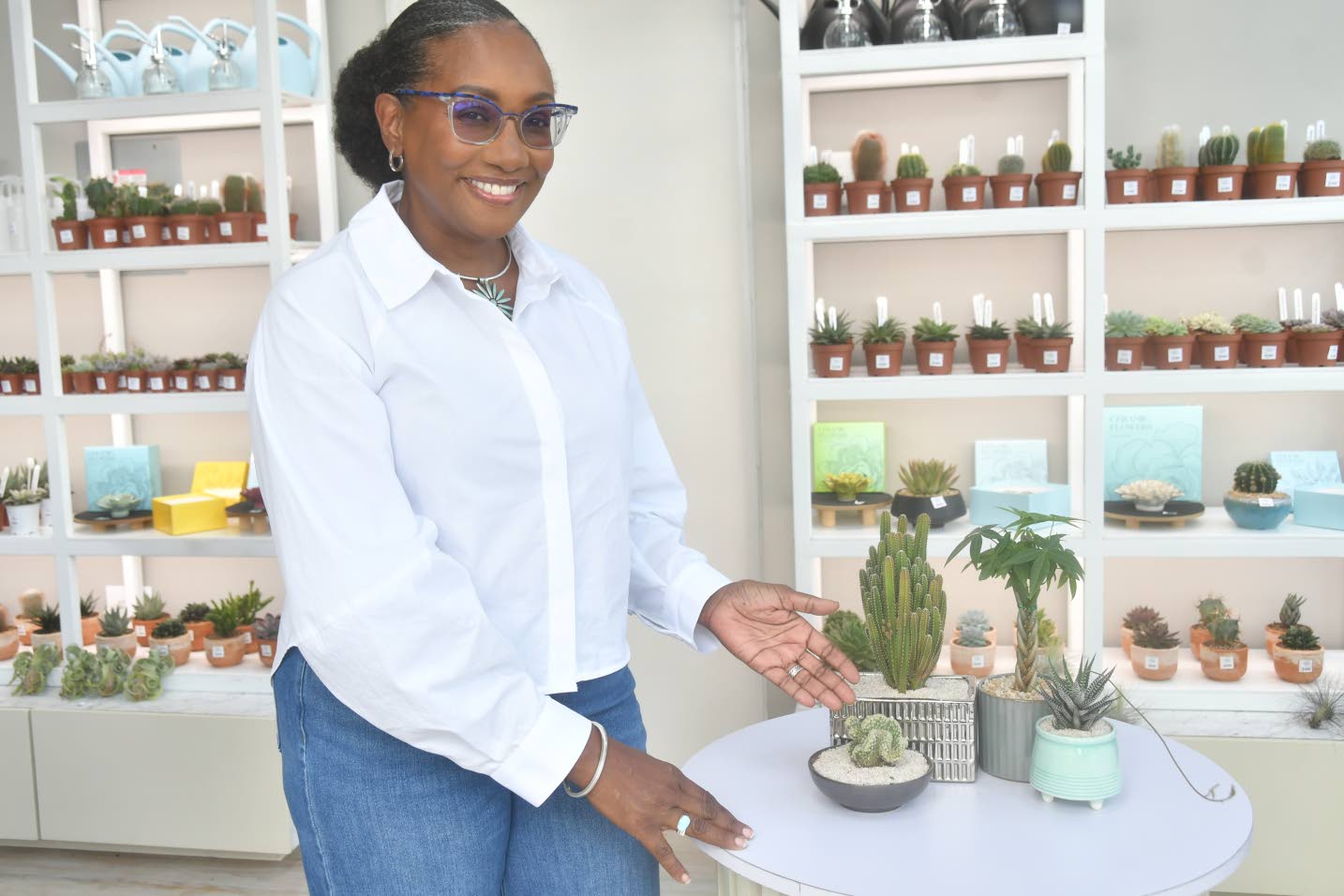
Potscapes Shoppe principal Pamela McLaughlin (Photo: Garfield Robinson)


