The No-Seating Chart Wedding: Genius or Chaos?
Few wedding planning tasks cause as much stress as the seating chart. Deciding where to place relatives, friends, co-workers, plus-ones, and that one cousin who cannot sit beside that one auntie can quickly become a full-time job.
So it is no surprise that some modern couples are asking: Do we really need assigned seating at all?
The no-seating chart wedding sounds easy, relaxed, and very modern. Guests walk in, choose their own seats, and mingle naturally. But depending on the size, meal style, venue, and family dynamics, it can either feel effortless or become a little chaotic.
The Case for Assigned Seating
Assigned seating gives the reception structure. Guests know exactly where to go, which helps avoid confusion when everyone enters the room at once. It is especially helpful for larger weddings, formal receptions, plated dinners, and events with many older guests or family dynamics to consider.
It also helps the caterer and planner. If guests selected chicken, fish, vegetarian, or another meal option, assigned seating makes dinner service much smoother. It also allows the couple to place parents, grandparents, and VIP guests in comfortable, convenient spots.
Another benefit is that assigned seating can help avoid awkward moments. Couples can thoughtfully place guests with people they know, keep certain relatives apart if necessary, and make sure no one feels forgotten or out of place.
The downside? Seating charts can be stressful and time-consuming. One last-minute RSVP change can affect an entire table. Some guests may not love where they are placed, and for more casual weddings, assigned seating can feel a little too formal or controlled.
The Case for No-Seating Chart
Skipping the seating chart can make a wedding feel more relaxed and modern. Guests can sit with whoever they choose, friend groups can mix naturally, and the evening may feel more like a party than a formal dinner.
It can also save couples a lot of planning stress. Instead of spending hours arranging tables, they can focus on other details, such as music, food, decor, or the guest experience.
However, open seating is not always as simple as it sounds. Guests may hesitate when they enter the reception, especially if they are unsure which tables are available. Families may struggle to find seats together, couples may get separated, and late arrivals may be left searching for space.
Open seating can also create problems for plated meals, dietary restrictions, and formal dinner service. If the caterer does not know where each guest is sitting, service can slow down quickly.
The Best Middle Ground
For many weddings, the smartest option is to assign guests to tables but allow them to choose their own seats. This gives the reception enough structure without feeling overly controlled.
Guests know where they belong, but they still have some freedom. It also helps the caterer, keeps families grouped together, and avoids the awkwardness of guests wandering around looking for a place to sit.
This option works especially well for couples who want the wedding to feel organised but not stiff. It keeps things flowing while still giving guests room to feel comfortable.
When Open Seating Works Best
A no-seating-chart wedding can work well for small weddings, cocktail-style receptions, buffet meals, backyard celebrations, beach weddings, brunch weddings, or casual receptions where most guests know each other.
The key is to have enough seating, clear signage, and a few reserved tables for parents, grandparents, and older guests. A simple sign such as “Choose a seat, not a side” or “Sit wherever you’re comfortable” can help guests feel welcome and guided.
It is also wise to have a planner, coordinator, or trusted family member help direct guests, especially during the transition from cocktail hour to dinner.
The Verdict
So, is the no-seating chart wedding genius or chaos? It depends.
For a small, casual, social wedding, open seating can feel fresh, easy, and fun. But for a large or formal wedding, especially one with a plated meal, assigned seating is usually the safer choice.
In the end, seating is not just about where people sit. It is about making guests feel comfortable, cared for, and included. Whether couples choose assigned tables, open seating, or a mix of both, the best plan is the one that helps the celebration flow smoothly — and keeps the focus where it belongs: on love, laughter, and a good time.
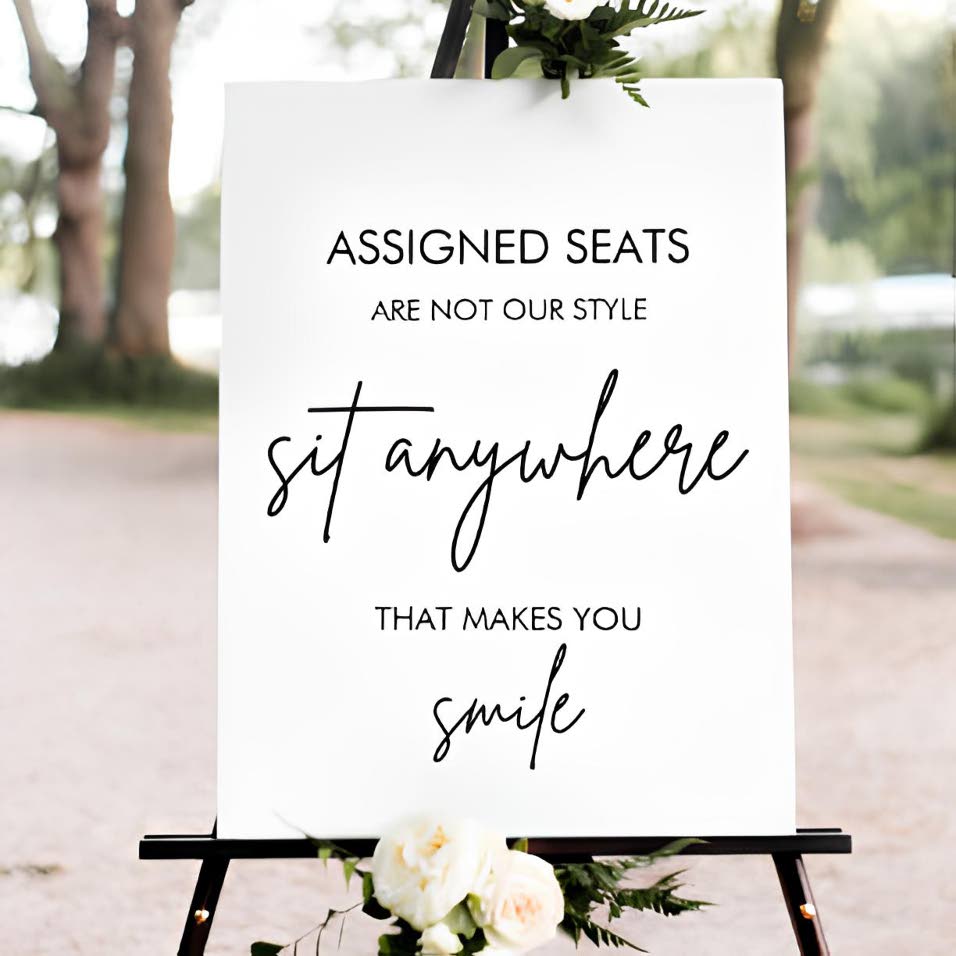
Open seating lends a modern, relaxed energy to a reception, encouraging organic mingling and a festive atmosphere. While it spares couples the headache of a seating chart, it can introduce logistical friction. Without a plan, guests often hesitate upon entry, families risk being split, and plated service can stall if caterers are forced to hunt for specific dietary needs.
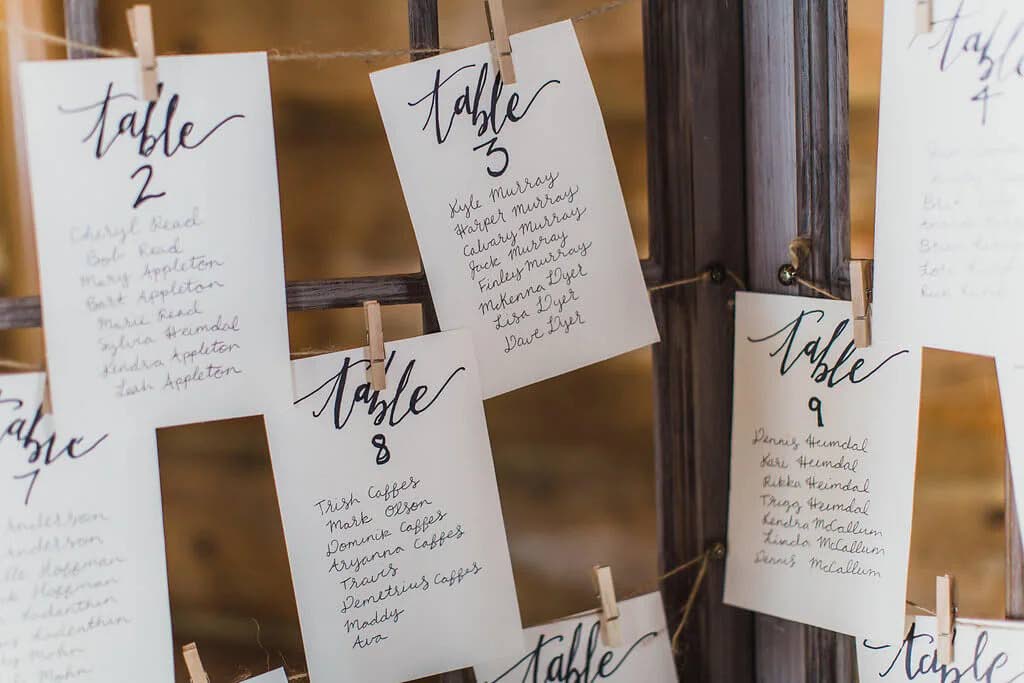
For a polished yet breezy flow, assign the table but let guests choose their seats. It’s a sophisticated middle ground that ensures that guests feel directed but never restricted.