



Understanding Food Safety in Aviation
Airports are designed for the movement of people, cargo, and connections. However, behind that constant flow is another system most travellers rarely think about: Food.
From airport restaurants to in-flight meals, food served within aviation environments passes through a complex chain of preparation, storage, transport, and service. While the industry is highly regulated, history has shown that when food safety controls fail in this setting, the consequences can extend far beyond a single location.
Undoubtedly, in aviation, food does not just travel — it travels globally.
When Foodborne Illness Takes Flight
Foodborne outbreaks linked to airline catering and airport food systems are not theoretical — they are documented, and in some cases, severe.
In 1975, one of the most significant aviation-related food poisoning incidents occurred when contaminated airline meals caused illness in 144 passengers aboard a Japan Airlines flight. Investigations traced the source to Staphylococcus aureus, introduced by an infected food handler and compounded by improper temperature control during storage.
Similarly, in 1992, a cholera outbreak linked to contaminated food served on a commercial flight sickened more than 75 passengers and resulted in one death.
More concerning is the ability of such outbreaks to spread across borders. In one multi-country incident, contaminated airline catering led to illness affecting passengers across multiple nations within a short time frame. Centralised food production, combined with global travel, allows a single contamination event to reach thousands within hours.
These cases highlight a critical point: Food safety failures in aviation are not contained events — they are amplified.
Why Airports Are High-Risk Food Environments
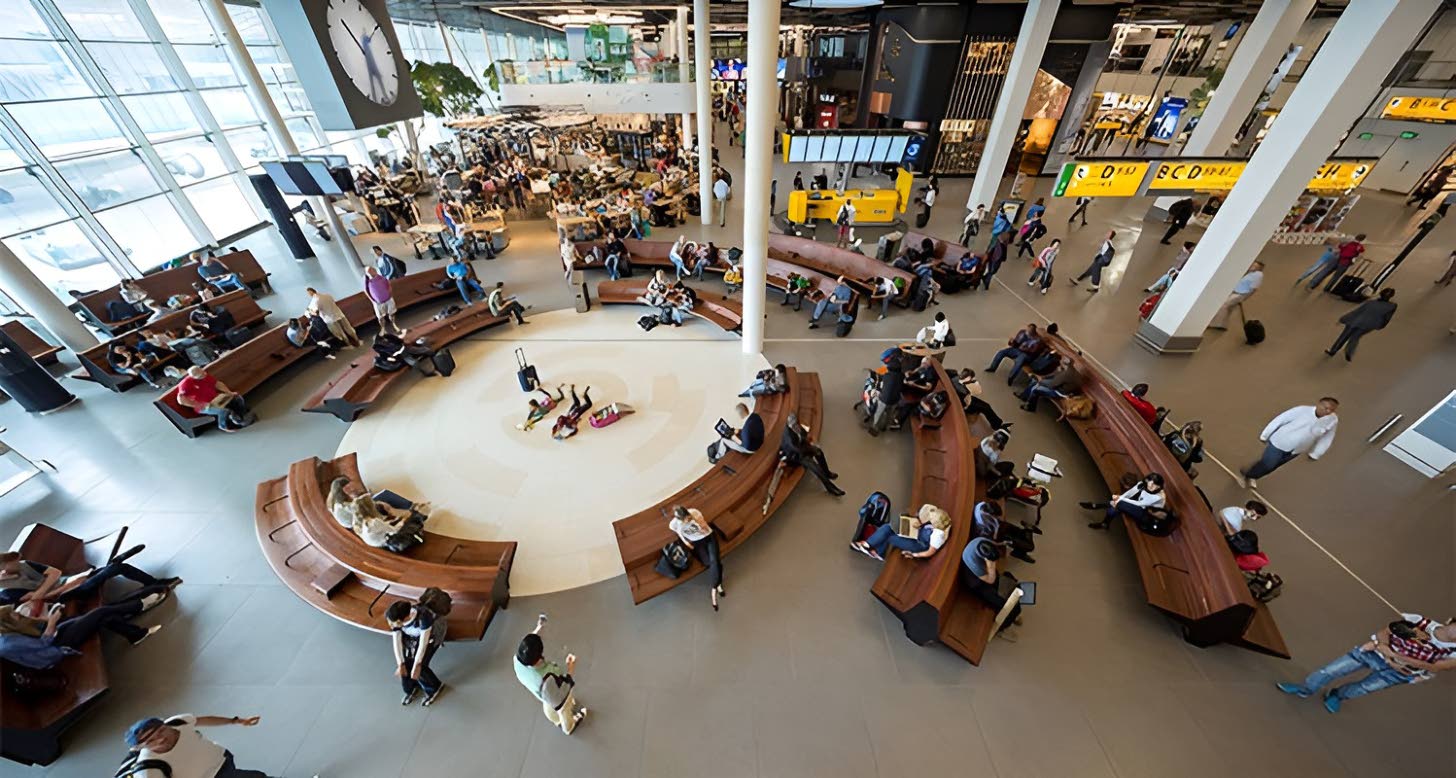
Because a single-contamination event can impact numerous flights and international routes at once, airports are among the most challenging environments for food safety
Airports represent one of the most complex food safety environments in the world. Several factors contribute to this elevated risk.
1. Centralised Mass Catering
Unlike restaurants that serve localised populations, airline catering facilities prepare meals in bulk — often thousands per day. A single contamination event at this stage can affect multiple flights, routes, and countries simultaneously.
2. Complex Food Handling Chains
Food prepared for flights undergoes multiple stages: Cooking, rapid cooling, cold storage, transportation to aircraft, loading and reheating. Each step introduces an opportunity for temperature abuse or contamination. The more steps involved, the greater the risk.
3. Temperature Control Challenges
Maintaining the cold chain is critical. The 1975 outbreak demonstrated how leaving food at unsafe temperatures for extended periods allowed bacteria to grow and produce toxins that were not destroyed during reheating. Even small deviations in temperature control can significantly increase risk.
4. Time Pressure and Operational Demands
Airports operate on strict schedules. Catering teams and food outlets often work under intense time constraints, increasing the likelihood of inadequate hand hygiene, improper food holding practices, and insufficient cleaning between production cycles. Speed, while necessary for operations, can conflict with food safety if not carefully managed.
5. High Volume, High Turnover
Airport food outlets serve large numbers of people in short periods. This increases handling frequency and reduces the margin for error, particularly in self-service or grab-and-go environments.
6. Global Distribution of Risk
Perhaps the most unique factor is scale. A contaminated meal prepared in one airport can affect passengers from multiple countries within hours. This makes outbreak detection and traceability significantly more challenging.
The Aircraft Factor: A Confined Risk Environment
Foodborne illness on an aircraft presents additional concerns beyond those experienced on the ground. Passengers are confined to a shared environment with limited medical support. If multiple individuals become ill simultaneously, it can strain onboard resources and, in extreme cases, affect flight operations. This is one reason many airlines now implement safety measures such as serving pilots and co-pilots different meals — to reduce the risk of simultaneous incapacitation.
What Travellers Can Do to Protect Themselves
While consumers do not control food safety systems in airports or airlines, there are practical steps travellers can take to reduce risk.
Choose freshly prepared, hot foods: Hot meals that are properly cooked and served immediately are generally lower risk than foods that have been sitting for extended periods.
Be cautious with high-risk foods: Items such as seafood, dairy-based dishes, pre-cut fruits, and salads are more susceptible to contamination if not handled correctly.

As airports are high-touch environments, washing hands or using sanitiser before eating reduces the risk of transferring contaminants to food.
Observe food handling practices: Take note of staff hygiene (glove use, handwashing), cleanliness of food display areas, and whether food is properly covered and protected. Visual cues can provide valuable insight into food safety practices.
Limit self-service exposure: Buffets and self-service stations increase the risk of cross-contamination due to multiple handlers. Where possible, opt for made-to-order meals.
Practice hand hygiene: Airports are high-touch environments. Washing hands or using sanitiser before eating reduces the risk of transferring contaminants to food.
Be mindful of flight duration: For long-haul flights, consider eating lighter or bringing shelf-stable snacks, especially if you have a sensitive stomach.
Balancing Risk and Reality
It is important to note that the aviation food industry is subject to strict international standards and oversight. Most meals served in airports and on aircraft are safe. However, the consequences of failure in this system are uniquely far-reaching. Airports are not just transit points — they are convergence zones for global populations. When food safety systems break down in these environments, the impact is not local. It is international.
Food safety in aviation is not just about preventing illness on a single flight. It is about protecting public health across borders. It is where food safety meets logistics, scale, and speed.
About the Author
Allison Richards is a food safety communicator, certified trainer and the founder of The Food Safety Girl, a consumer awareness platform promoting food safety in Jamaica and the Caribbean. She is the Caribbean Chapter Director for Women in Food Safety (WIFS) and host of The Big Bite Food Safety Show. With over 14 years of experience in food safety regulation, she is committed to public education and consumer empowerment. Through public education initiatives, including free community webinars, she continues to create space for learning, dialogue, and practical food safety awareness.
Allison Richards | thefoodsafetygirlja@gmail.com


