



REMOTE REALITY CHECK
Officials warn Jamaica still lacks key building blocks for large-scale remote work despite digital gains
DESPITE growing calls for flexible work arrangements as fuel prices rise, representatives of government agencies and the private sector told Parliament’s Economy and Production Committee on Wednesday that Jamaica still lacks many of the technological and organisational conditions needed to support remote work on a national scale.
The assessment emerged as the committee began their examination of whether flexible, hybrid and work-from-home arrangements could help cushion the impact of rising fuel costs linked to tensions in the Middle East and reduce Jamaica’s vulnerability to external economic shocks.
While it was agreed by members and guests present at Wednesday’s sitting that alternative work arrangements could lower fuel consumption and improve business continuity during emergencies, significant obstacles, including paper-based government systems, uneven digital readiness, cybersecurity concerns and the reality that many jobs simply cannot be performed away from the workplace, were raised during the sitting.
For Devon Sterling, deputy chief information officer of technology at the ICT Authority within the Office of the Prime Minister, the issue goes far beyond allowing workers to log in from home.
He told the committee that remote work can only function effectively if government operations themselves are transformed.
“The central message here, really and truly, is that the organisation has to be represented in the digital space to allow for this flexible and remote work that we’re speaking of,” Sterling said.
He explained that government records, approvals and services must first be digitised and supported by secure networks, electronic signatures and reliable connectivity before large-scale remote work can become a practical reality.
Sterling noted that Jamaica has made considerable progress since the COVID-19 pandemic exposed weaknesses in the country’s digital infrastructure, but said significant work remains.
According to Sterling, while many government entities still depend significantly on paper records and manual processes, ongoing digitisation efforts have begun transforming the way services are delivered to the public.
“We are on our way there, but we’re not there yet. We still require a significant amount of work,” Sterling acknowledged.
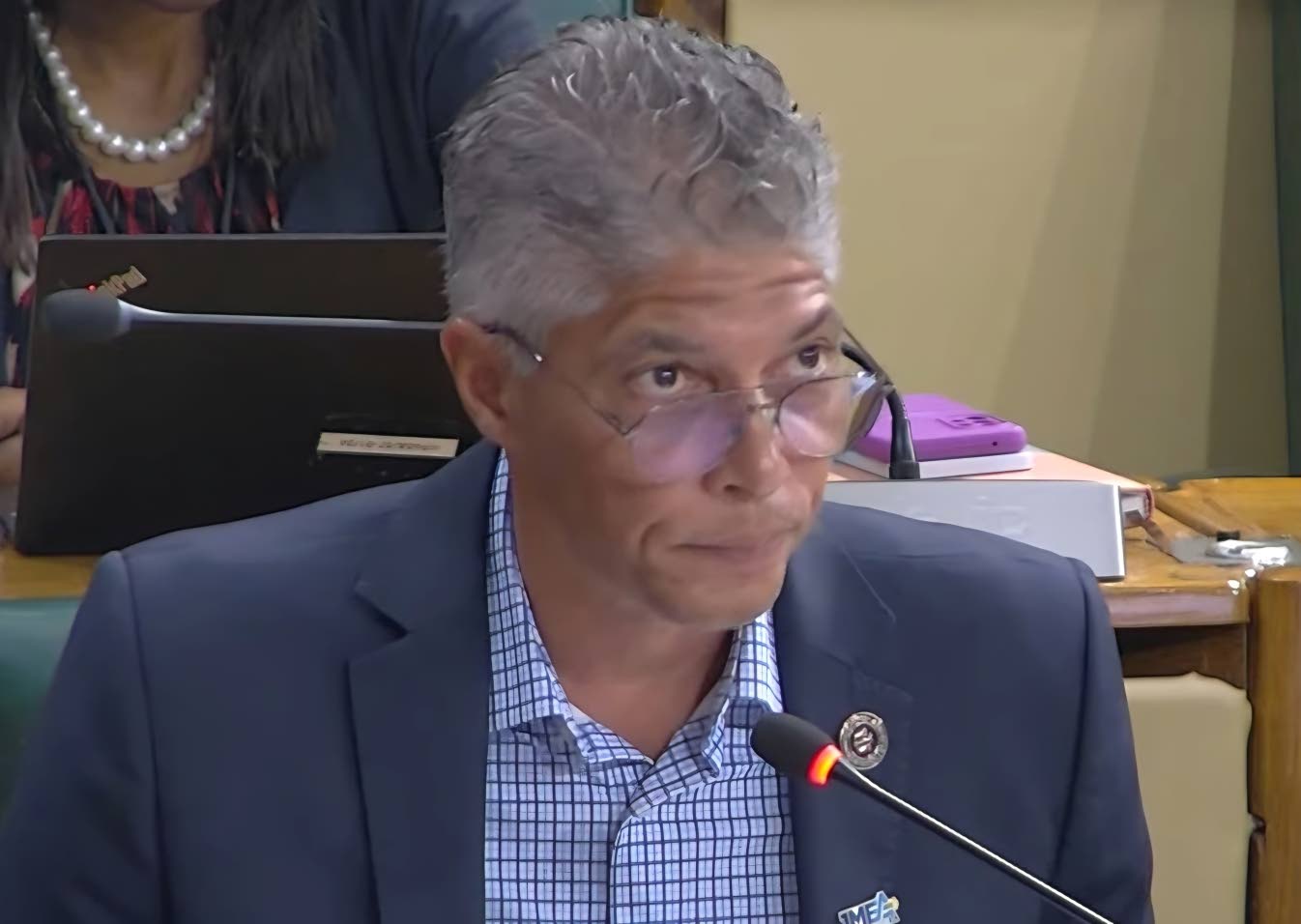
Richard Coe, vice-president of the Jamaica Manufacturers and Exporters Association, makes a presentation to Parliament’s Economy and Production Committee on Wednesday, where he cautioned that most manufacturing and export jobs cannot be performed remotely without affecting productivity.
Adding an economic perspective to the conversation, Director General of the Planning Institute of Jamaica (PIOJ) Dr Wayne Henry argued that flexible work arrangements could help Jamaica reduce its exposure to rising fuel prices and external shocks.
He told the committee that the island remains highly exposed to movements in global oil prices because more than 80 per cent of its energy needs are supplied by imported petroleum products.
He said reducing daily commuting through flexible work arrangements could help lower fuel consumption, ease pressure on foreign exchange resources, and make the economy more resilient during future crises.
At the same time, he cautioned that remote work is not without drawbacks.
“Research shows that poorly managed remote arrangements can weaken collaboration, mentoring, innovation, and organisational culture. Junior employees may lose valuable opportunities for informal learning, while some workers may experience isolation or burnout,” he told the committee.
Rather than fully remote work, Henry said hybrid arrangements appeared to offer the most sustainable balance.
However, he argued that the discussion should not be confined to fuel savings and productivity, warning that flexible work arrangements could have wider consequences for education, public health and gender equality if not carefully managed.
On education, he cautioned that remote arrangements risk worsening existing disparities, particularly among students without reliable internet access, digital devices or suitable learning environments at home.
He noted that Jamaica lost approximately 1.3 billion in-class hours during the COVID-19 pandemic and said Hurricane Melissa further strained the sector after damaging more than 600 schools.
“Schools are more than places of learning. They are vital social safety nets. They provide meals, supervision, mentorship, peer interaction, and welfare monitoring. Remote or hybrid schooling weakens these supports, leaving vulnerable children exposed,” he said.
Turning to health implications, Henry said remote work could bring benefits by reducing commuting stress and allowing families to spend more time together, but warned of significant risks if boundaries between work and personal life become blurred.
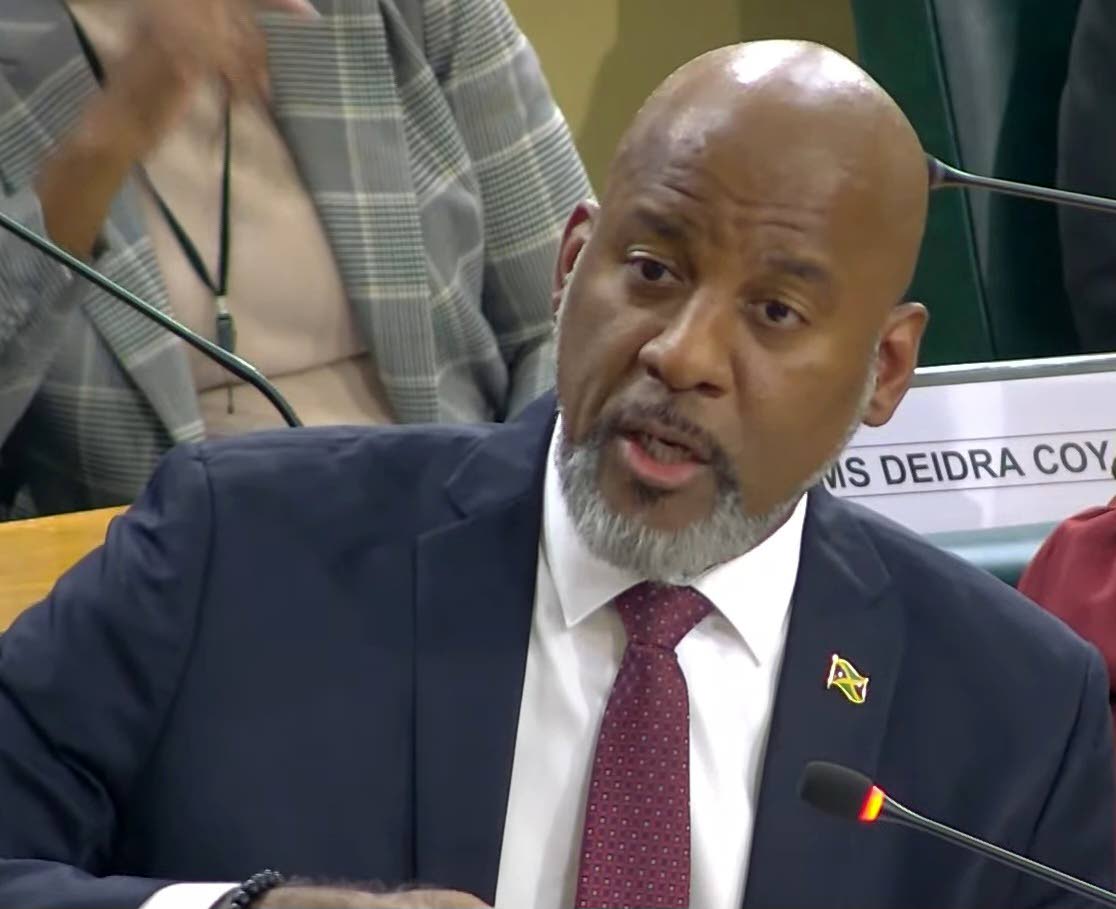
Dr Wayne Henry, director general of the Planning Institute of Jamaica, addresses Parliament’s Economy and Production Committee on Wednesday, where he argued that hybrid work arrangements offer the best balance between fuel savings, productivity and employee well-being.
He added that research cited in his presentation showed physical activity among remote workers fell by 34.7 per cent while sedentary behaviour increased by 66.7 per cent, a concern given Jamaica’s high burden of non-communicable diseases.
Henry further warned that remote work could reinforce existing gender inequalities, noting that women often shoulder a disproportionate share of caregiving responsibilities.
“This imbalance leads to stress, exhaustion, reduced productivity, and reinforces inequality. Policymakers must be cognisant of unpaid care work to ensure flexible arrangements don’t deepen gender inequities,” he said.
He argued that these issues demonstrate why flexible work arrangements should be viewed not merely as workplace policies but as measures with potentially far-reaching social consequences.
In the meantime, Jamaica Manufacturers and Exporters Association (JMEA) reported that a survey of its members found that approximately three-quarters of respondents believed 10 per cent or less of their workforce could transition to remote work without affecting productivity.
The findings underscore the limitations of work-from-home policies in industries that depend on physical production, transportation and logistics.
“Manufacturing requires workers to operate machinery, manage production lines, conduct quality assurance activities, and perform maintenance functions. Similarly, export-orientated operations depend on warehousing, transportation, logistics, coordination, cargo handling, and compliance inspections. Consequently, while remote work may help some employees, it cannot replace the physical activities required to sustain production and exports,” said JMEA Vice-President Richard Coe.
Coe argued that discussions about fuel conservation should not focus exclusively on employee commuting because a significant share of fuel consumption within the productive sector comes from moving goods throughout supply chains.
“The movement of goods remains just as important as the movement of people,” he said.
The association found that many businesses viewed staggered shifts, compressed work weeks, transportation programmes and carpooling as more practical options than widespread remote work.


