



Thinking about a credit card?
“CONGRATULATIONS, you’ve been approved for a credit card.”
Whether that statement comes as a welcome call from your bank or a pre-approved offer in your inbox, the message can seem like easy access to extra spending power.
While some institutions take the time to walk prospective cardholders through the terms and conditions, the responsibility still falls largely on consumers to understand exactly what they’re signing up for.
“They are financial tools. When you use them properly, you can get some good benefits, like building a strong credit history, which would then enable you to improve your access to loans. And just overall convenience and security,” said Keith Parkes, the business development manager at CRIF Information Bureau Jamaica Limited.
Before adding a credit card to their wallet, consumers should first consider why they need one and whether the intended use justifies taking on additional debt. Parkes noted that while a credit card can be useful for expenses that may provide long-term benefits, such as education costs or other investments in one’s future, it may not be the best option for discretionary or impulse spending.
“Can you afford it?” he asked.
Prospective cardholders should assess whether they can comfortably accommodate the monthly payments within their budget, while also paying attention to the card’s interest rate, annual fees and other charges. Comparing products across institutions can help consumers identify cards with more favourable rates and benefits.
“Sometimes you’ll look at your statement and see a couple thousand dollars in fees. Did you budget for that?” he asked.
Understanding both the costs and benefits of a card can help consumers determine whether it aligns with their financial goals and spending habits. Some cards offer cashback on purchases, while others reward users with points that can be redeemed for travel. Once consumers take on a credit card, the next challenge is using it responsibly. Because credit cards typically carry higher interest rates than other forms of borrowing, experts warn that balances can quickly grow if cardholders rely heavily on their available credit or make only the minimum payments each month. Among the key recommendations is to avoid maxing out a card and to pay as much of the outstanding balance as possible during each billing cycle. While there is no universally accepted credit utilisation target, experts generally agree that consistently using a large portion of a card’s available limit, particularly 75 per cent or more of a card’s available limit, can negatively affect a person’s credit score.
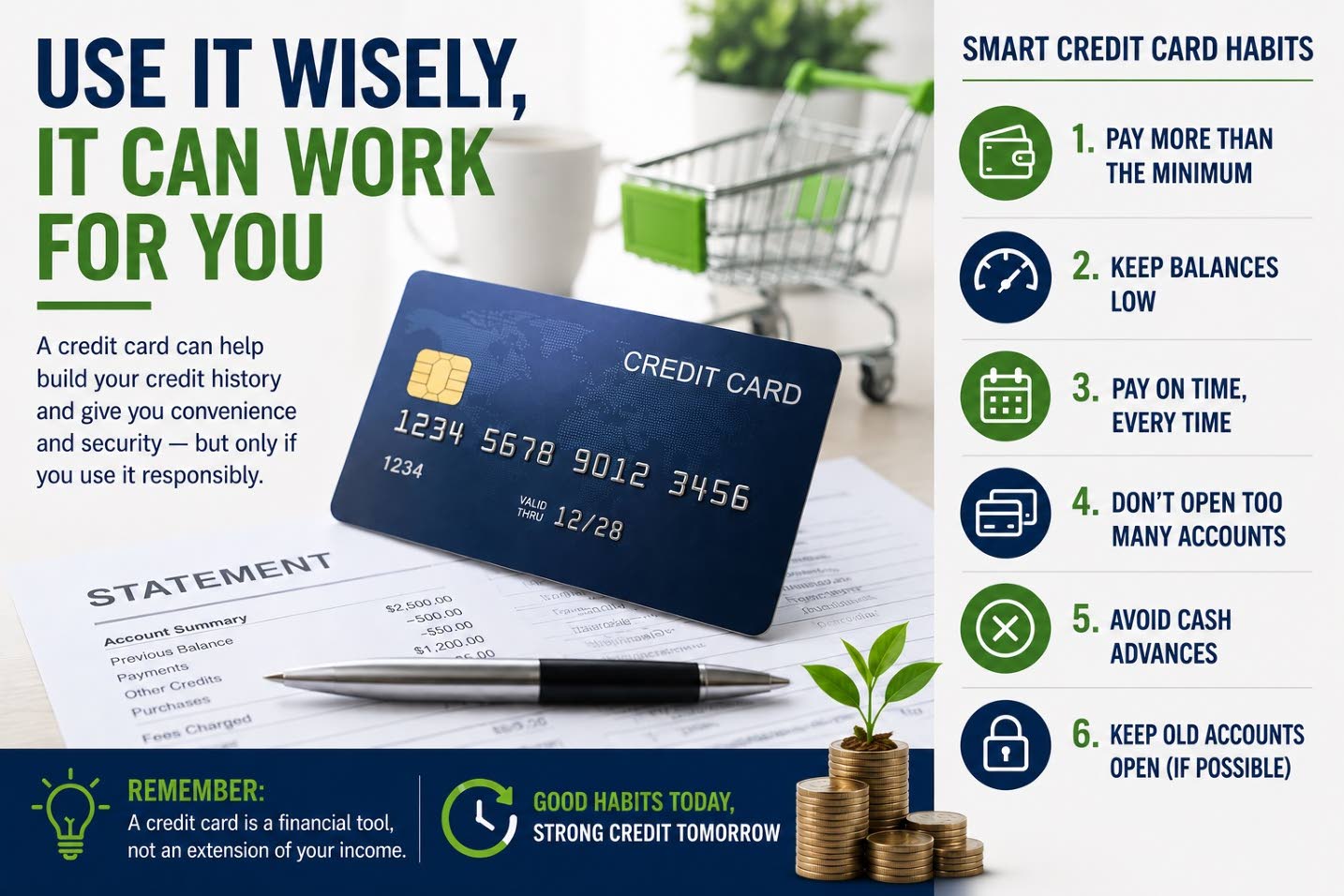
“You want to ensure you pay as close to the full amount that you would have used per payment cycle and try to maintain payments above the minimum amount due,” Parkes stated.
He noted that carrying balances close to a card’s limit for prolonged periods can lower a consumer’s credit score. To illustrate the point, he cited the example of a cardholder with a $200,000 credit limit who consistently maintains a balance of $180,000. Such high utilisation signals that the individual is regularly borrowing near the maximum available amount, a factor that can weigh negatively on their credit profile. Beyond how much credit is used, Parkes said the number of credit facilities a person takes on can also affect their overall credit profile, cautioning against opening multiple credit cards within a short period of time.
“From a credit reporting aspect, it’s similar to taking out multiple loans,” he explained. “The more debt you have, the harder it is to manage.”
Frequent cash advances should also be avoided where possible. In addition to often carrying higher interest rates and fees than regular purchases, repeated use of cash advances can have a negative impact on an individual’s overall credit profile. And because life happens, some cardholders may find themselves struggling with debt and spending months or even years paying down a credit card balance. Once that balance is finally cleared, the temptation may be to close the account for good. While that may seem like the logical thing to do, Parkes cautioned that shutting down a credit card is not always the best move for a person’s credit profile.
“Every time you start a new credit relationship with an institution, it takes a while to build up that positive credit history,” he said.
That’s because a long-standing, well-managed credit account helps demonstrate a track record of responsible borrowing. Closing the card may remove part of that history from a person’s credit profile. While it could reduce the amount of debt tied to your name, opening a new card later may mean starting over and rebuilding that credit relationship from scratch. The expert stressed, however, that a poor credit history is not permanent. Financial setbacks, missed payments and periods of high debt can affect a credit score, but they do not have to define it forever. Under the Credit Reporting Act, credit information can remain on a person’s record for up to seven years. However, those who take corrective action and consistently manage their credit responsibly may begin to see improvements much sooner.
“If you take corrective measures to fix a bad situation and then maintain positive management of that facility for six months, you should start seeing, slowly but surely, some improvement in your credit score,” he said.
Ultimately, a credit card should be treated as a financial tool, not an extension of your income. By avoiding excessive borrowing, paying more than the minimum balance and maintaining responsible spending habits, cardholders can build a stronger credit profile while avoiding unnecessary debt.


