



Agri inputs drive beauty sector development
JAMAICA’S agriculture sector is supplying more inputs to the country’s expanding beauty and wellness industry as locally grown crops are transformed into high-value skincare, haircare, and personal-care products—creating new income streams for farmers and manufacturers.
To accelerate the shift from farm to factory, the Jamaica Business Development Corporation (JBDC) is establishing a specialised cosmetic manufacturing incubator in Kingston. It will give entrepreneurs access to commercial-grade mixing, blending, and bottling equipment, allowing them to scale production and add value to locally sourced agricultural ingredients.
The initiative comes as global demand for plant-based, naturally derived beauty products continues to rise, creating new market opportunities for Jamaican farmers producing crops such as castor bean, coconut, turmeric, ginger, aloe vera, coffee, and cocoa. These crops, rather than being exported or sold solely as raw commodities, are increasingly being processed into soaps, lotions, moisturisers, body oils, scrubs, shampoos, conditioners, and other premium beauty products.
Acting JBDC CEO Harold Davis said the opportunities extend well beyond small-scale production.
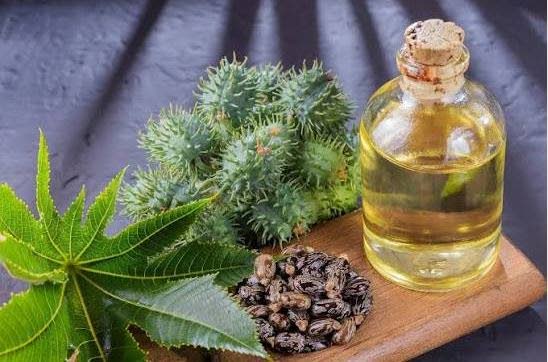
The Jamaican black castor oil is well sought after based on its authenticity and international reputation.
“Jamaica’s agricultural resources and cultural identity create a strong foundation for businesses producing natural, tropical, and culturally inspired products. Whether you’re mixing your first batch of body butter in your kitchen or styling clients’ hair on your verandah, local ingredients are being produced to support a wide range of product development,” he said.
Davis said the beauty and wellness industry could connect agriculture with manufacturing, science, tourism, technology, retail, and exports, while also creating employment and building generational wealth.
According to the Global Wellness Institute, the global wellness economy, which reached US$6.8 trillion in 2024, is projected to exceed US$9.8 trillion by 2029, driven by growing consumer demand for natural products, sustainability, and digital commerce.
State minister in the Ministry of Industry, Investment and Commerce Delano Seiveright, speaking at the recently held Jamaica International Beauty Expo, said the local beauty and wellness sector currently generates approximately US$250 million annually, with the country’s agricultural resources providing a significant competitive advantage.
Pointing to research from Jamaica Promotions Corporation (Jampro), he said beauty and personal care has long been identified as one of Jamaica’s most promising export sectors because of its abundant supply of natural ingredients and expanding manufacturing capabilities.
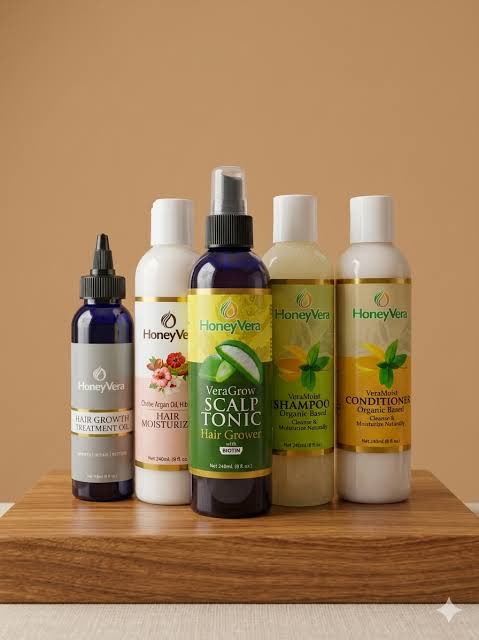
Local haircare products made from various agricultural inputs
“We have internationally recognised natural ingredients, such as black castor oil, coconut-based products, and other botanical extracts. We have exceptionally talented hairstylists, amazing barbers, great make-up artists, great nail technicians, highly skilled aestheticians and innovative manufacturers, and they’re all passionate about what they do,” Seiveright said.
Jamaica’s agricultural diversity now provides manufacturers with an expanding portfolio of ingredients. Some of these include Jamaican black castor oil, coffee, cocoa, turmeric, coconut oil, pimento, aloe vera, ginger, lemon grass, sorrel as well as key essential oils and other medicinal and aromatic plants.
The trend reflects a broader shift towards “farm-to-face” sourcing, as manufacturers worldwide increasingly rely on agricultural crops for cosmetic ingredients. Presently, wheat and corn is being used to provide starches and alcohols used in styling products; soybeans to supply oils and proteins for skincare; coconuts for oil used in moisturisers and shampoos; while beeswax and essential oils extracted from plants such as eucalyptus, peppermint, tea tree and lavender continue to feature prominently in a wide range of cosmetic formulations.
Jamaican black castor oil is among the standout products, with consumers willing to pay premiums of up to 20 per cent over regular castor oil because of its authenticity and reputation, making it a cornerstone ingredient in local hair and skin care.
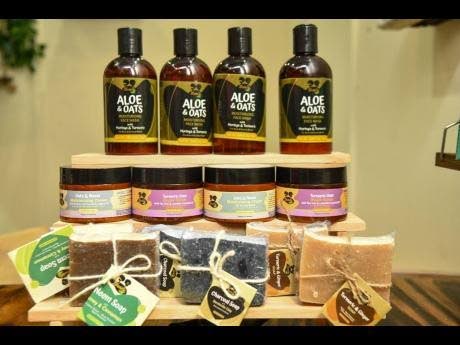
Rather than being exported or sold solely as raw commodities, local crops such as coconuts are increasingly being processed into soaps, lotions, moisturisers, body oils, scrubs, shampoos, conditioners and other premium beauty products.
Other crops steadily gaining prominence include turmeric, ginger, cocoa, and coffee which are increasingly incorporated into skincare products for their antioxidant and soothing properties. This, as aloe vera remains a key ingredient in topical wellness products. Additionally, the emerging medical cannabis and hemp industries now creating opportunities for balms, cosmetics and wellness applications is also being supported by export standards developed by the Bureau of Standards Jamaica (BSJ).
The growing demand for agricultural ingredients is being matched by increased local production for a number of the island’s key traditional export crops. According to the Planning Institute of Jamaica (PIOJ), banana production last year increased 13 per cent to total 71,159.3 tonnes, while that for coconut production, one of the key agricultural inputs, climbed 22.7 per cent to 209.6 million nuts.
The increase in coconut output followed rehabilitation programmes implemented by the Coconut Industry Board (CIB), including the distribution of fertilisers, weed-control grants, and high-yielding, disease-resistant seedlings to registered farmers.
“These interventions strengthened resilience within the industry and contributed to the sustained increase in output,” The PIOJ further said, as it credited minimal impact from Hurricane Melissa on the main coconut-producing parishes along with more favourable growing conditions for the rise in production levels seen last year.


