



US$18-m fuel shield
Petrojam absorbs oil shock, awaits reimbursement
STATE-OWNED refinery Petrojam has spent about US$18 million subsidising fuel costs to shield consumers from steeper price increases, with Chairman Metry Seaga saying the Government will eventually reimburse the company.
Seaga disclosed the figure during a panel discussion following Tuesday’s release of the second-quarter JCC/GK Capital Consumer Indices, while responding to questions about measures being taken to contain energy costs.
“To date, Petrojam has spent about US$18 million subsidising the cost of fuel,” Seaga said.
While acknowledging that the refinery has not done a good job of explaining how fuel prices are determined because of the complexity of the process, Seaga explained that Petrojam has been using a long-standing fuel price “smoothing mechanism” to cushion consumers from sharp swings in global oil prices. The mechanism was introduced to reduce volatility in fuel prices and lessen the inflationary impact of sudden increases in international oil prices.
According to Seaga, since the Middle East war began, domestic fuel-price increase reached as much as $40 per litre, leaving Petrojam to absorb significant costs rather than allowing domestic fuel price increases to immediately reflect international price movements which he said would have been “extremely inflationary”.
Under Petrojam’s pricing mechanism, weekly fuel price increases were initially capped at $4.50 per litre, before Cabinet approved an increase to $12.50. Petrojam calculates its prices using a US reference price and then applies costs within its control. When the calculated increase exceeds the cap, the refinery absorbs the difference rather than passing it on to consumers.
“The increase that the consumer saw last week of $12.50 is not a real number; the real number is significantly higher than that, but Petrojam has taken up any losses that are incurred,” he said. “Petrojam is doing everything it can, and the government by extension has to give us back that money, because the money has to come from somewhere.”
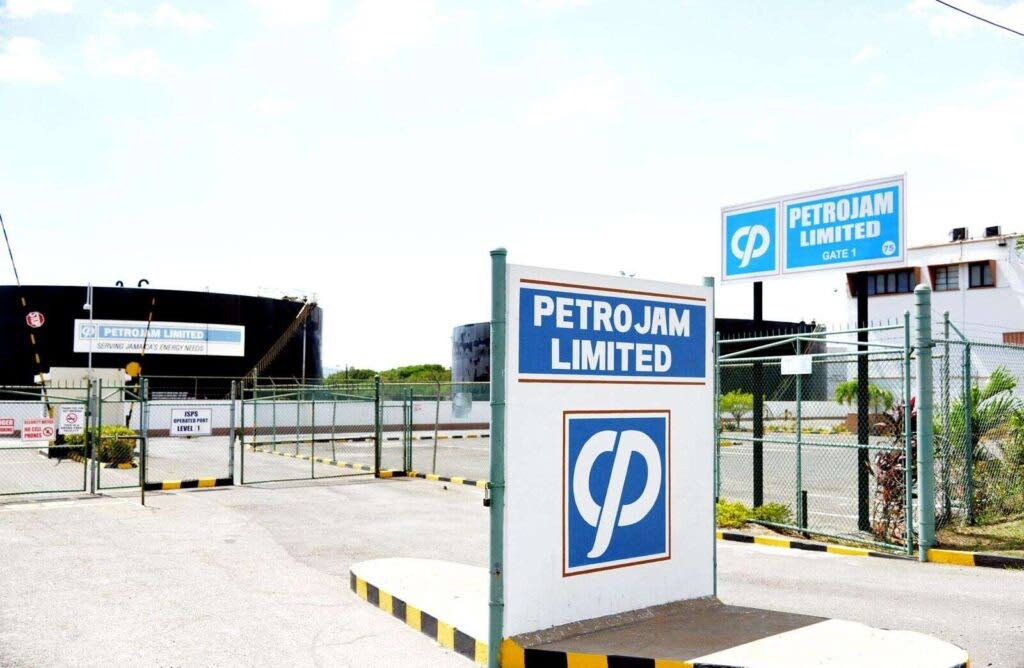
State-owned refinery Petrojam has spent about US$18 million subsidising fuel costs to shield consumers from steeper price increases.
The JCC/GK Capital Consumer Indices found that rising energy costs continue to influence the behaviour of both businesses and households. Among businesses surveyed, 36 per cent said rising electricity costs were significantly affecting their operations, while another 29 per cent described the impact as moderate. In response, businesses said they were reducing energy consumption, investing in renewable energy solutions, increasing prices charged to customers, cutting operating expenses elsewhere, investing in energy-efficient equipment and delaying investment or expansion plans.
Seaga acknowledged not all businesses can pass higher energy costs on to customers. Pointing to Jamaica’s geography, and dependence on imported energy, he said businesses must accept that the country will remain exposed to global price shocks.
“We have to recognise from the get-go we are subject to price increases worldwide, and these are things businesses must plan for, including natural disasters,” he said. “What we have to do is know they are coming and be more efficient.”
Beyond businesses, consumers are also changing their behaviour in response to higher energy bills. The survey found that 51 per cent of respondents had reduced their electricity usage, while others said they were using fewer appliances or purchasing more energy-efficient appliances and light bulbs. Respondents also called for measures to reduce energy costs, with 56 per cent saying the government should lower electricity rates. Other recommendations included more stable fuel prices, lower taxes and duties on energy-efficient appliances, and easier financing for residential solar systems.
However, Seaga argued that households have viable alternatives to reduce their electricity bills.
“Majority of the people I know are telling me about their light bills being $12 and $15, so there’s no good reason that people should not be putting solar into their homes,” he said, noting that financing options are available.
Seaga also disclosed that Petrojam is exploring diversification into LNG, solar and potentially nuclear energy. He also hinted at the possibility of participating in oil development should commercially viable reserves be discovered in Jamaica, extending its involvement from production to the sale of fuel. However, Seaga noted that such plans would require significant investment.
SEAGA…the increase that the consumer saw last week of $12.50 is not a real number; the real number is significantly higher than that, but Petrojam has taken up any losses that are incurred.


