



From fatherless to father figure
Valedictorian of NPSC’s Men Who Mentor programme inspires a new generation
LONG before he was selected as valedictorian of the National Parenting Support Commission’s (NPSC) inaugural Men Who Mentor programme, Ricardo Hayles made a promise to himself to be a better father and guide to youth despite his upbringing.
Growing up, he knew what it felt like to navigate life without the steady presence of a father. He remembers the financial struggles, the sacrifices, and the uncertainty that often accompanied childhood. While those experiences were difficult, they also planted the seed for the kind of parent he would one day become.
“Though I had an absent father, it motivated me even more to do better and not have my children experience what I experienced growing up,“ he shared. “I vividly remember when I had one pair of shoes, or times when I would go to school and not have lunch or bus fare and have to walk.”
The father of two, a son and a daughter, says those memories continue to guide him. Rather than dwelling on what he lacked as a child he focused on providing his children with the support, stability, and encouragement he believes every child deserves.
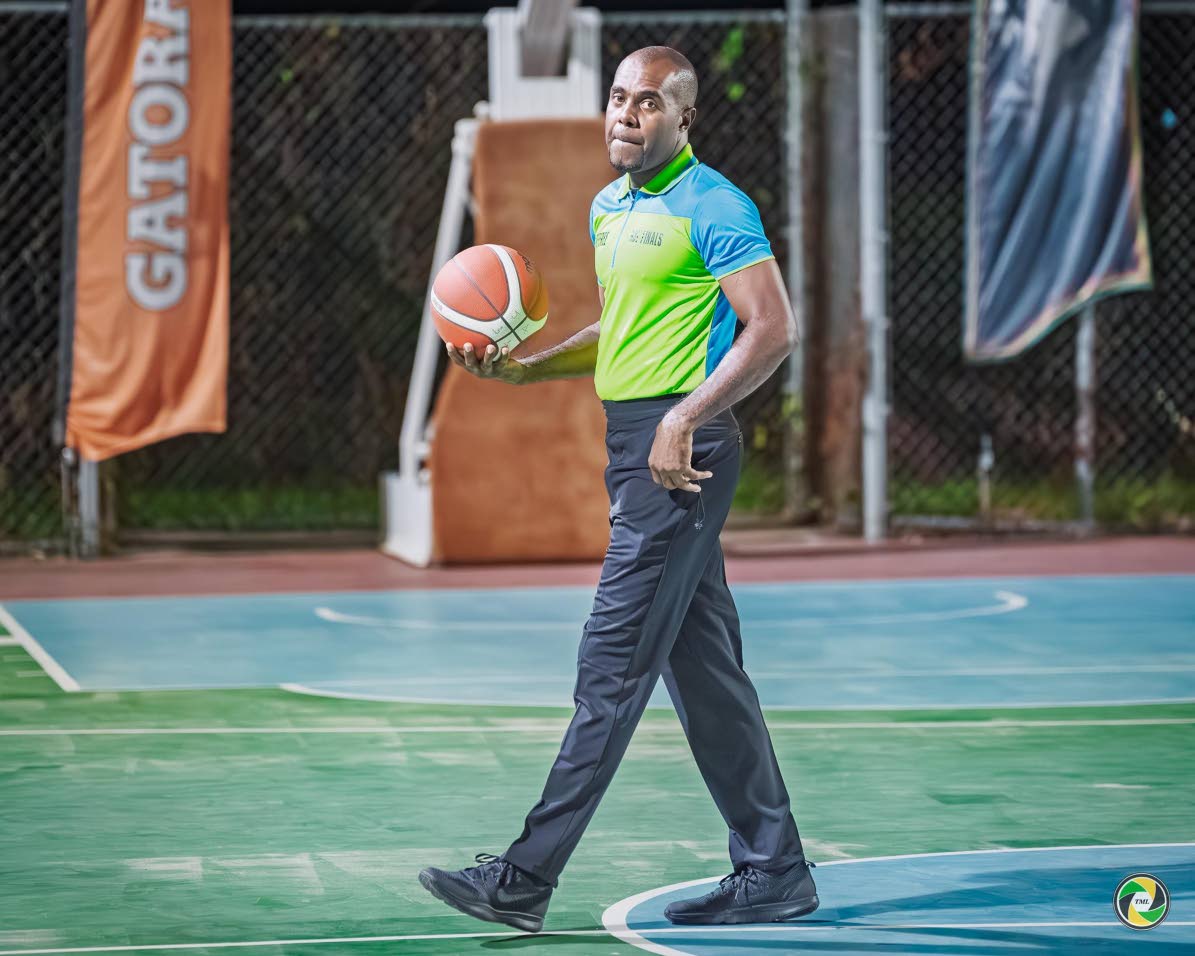
In addition to his role as a parent mentor, Ricardo Hayles serves as a basketball coach and is Jamaica’s only FIBA-certified coach educator instructor, helping to develop the next generation of coaches across the island.
“I wanted my kids to have the best upbringing,” he said. “My mantra to them is simple: ‘You go to school, you do your work, you behave, and I’m here to take care of whatever needs to be taken care of.’ “
That approach has already borne fruit. His 19-year-old son recently became the family’s first university student — a milestone Hayles views as one of his proudest achievements as a father.
It was this passion for fatherhood and service that led Hayles to join the Men Who Mentor programme, a male-focused initiative under the National Parenting Support Commission’s Parent Mentorship Programme. What he discovered was an experience that challenged him to reflect on his own journey while equipping him with practical skills to support other parents and prospective parents. The training, which combined online and face-to-face sessions, exposed participants to topics including communication, relationship-building, empathy and mentorship. For Hayles, one of the most impactful discussions centred on reflection and the role fathers play in shaping their children’s lives.
“When we touched on reflection and we spoke about present and absent fathers, that one really hit a nerve,” he said. “Some of the sessions brought tears to my eyes because it made me think about some of the situations I’ve been through.”
The lessons resonated not only in his home, but also in his work on the court. Working with both boys and girls, the 42-year-old basketball coach often finds himself offering guidance that extends beyond athletics. “I always try to motivate youth to go down the right path,” he said, “to choose this side as opposed to choosing the wrong side, and to understand that there is a better way.”
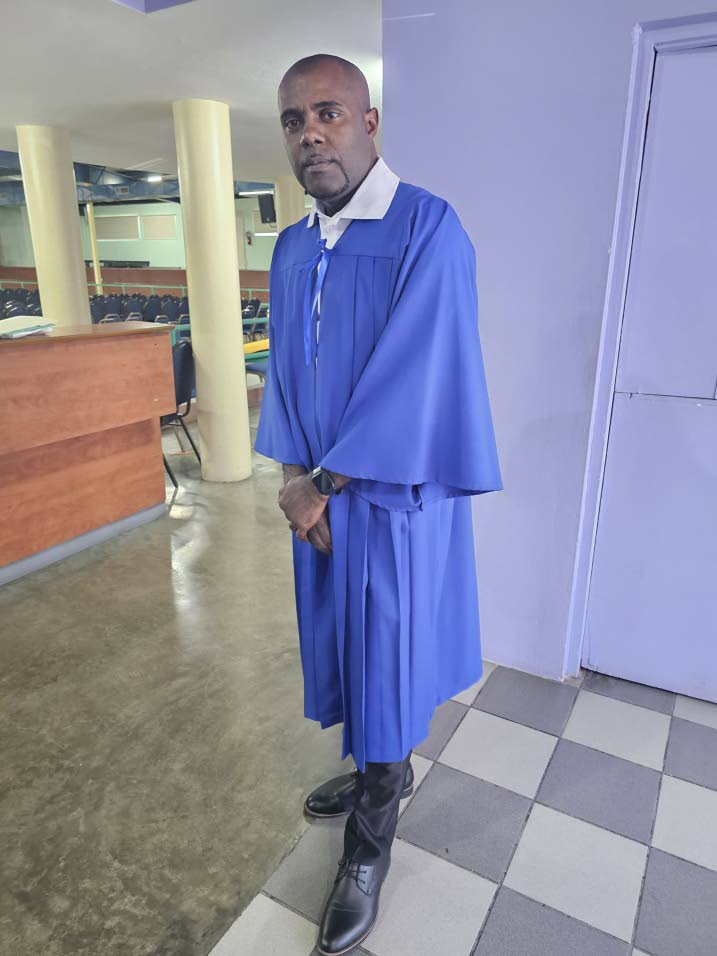
Ricardo Hayles, valedictorian of the National Parenting Support Commission inaugural Men Who Mentor cohort.
That belief mirrors the message he hopes more fathers will embrace: Fatherhood is not limited to providing financially; it is about showing up emotionally, offering guidance, and creating opportunities for children to thrive.
“At the end of the day, the responsibility is on us,” he said. “Kids can’t look after themselves. The responsibility is on us as parents to do right by our children. I can proudly say I have never missed an appointment or special event for either of my children because I understand the duty I have as a father to show up.”
Being selected as valedictorian of NPSC’s first Men Who Mentor cohort was an honour, but Hayles views the achievement as part of a larger mission. The programme, he says, strengthened his ability to serve as a father, coach, and mentor while reinforcing the importance of positive male involvement in children’s lives.
“As I always say to my own and those I come across: ‘A difficult upbringing does not have to determine the future. Instead, it can become the motivation to create something better, not only for yourself but for every person whose life you have the opportunity to influence.’ ”


