



9 of the best foods for heart health
YOUR heart works around the clock, pumping blood and oxygen throughout your body to keep every organ functioning properly. Maintaining a healthy heart is therefore essential for overall well-being, and one of the most effective ways to support cardiovascular health is through a balanced, nutritious diet.
“The foods you eat can help regulate blood pressure, lower cholesterol levels, reduce inflammation and decrease the risk of heart disease,” said dietician Claudhia Ashley. “When you choose heart-friendly foods and limit processed, high-sodium and high-sugar options, you can significantly improve your heart health and enjoy a longer, healthier life.”
Ashley said a heart-healthy diet is one of the most powerful tools for preventing cardiovascular disease and promoting long-term wellness, and it’s helped by incorporating nutrient-rich foods such as fatty fish, leafy greens, whole grains, berries, nuts, beans and healthy oils into your daily meals.
“These help to strengthen your heart and improve your overall health,” Ashley said.
Here are some of the best foods for heart health.
Fatty fish
Fatty fish like salmon, mackerel, sardines and trout are rich in omega-3 fatty acids. These healthy fats help reduce inflammation, lower triglyceride levels, and decrease the risk of abnormal heart rhythms. “Eating fatty fish at least twice a week is recommended for optimal heart health,” said Ashley.
Leafy green vegetables
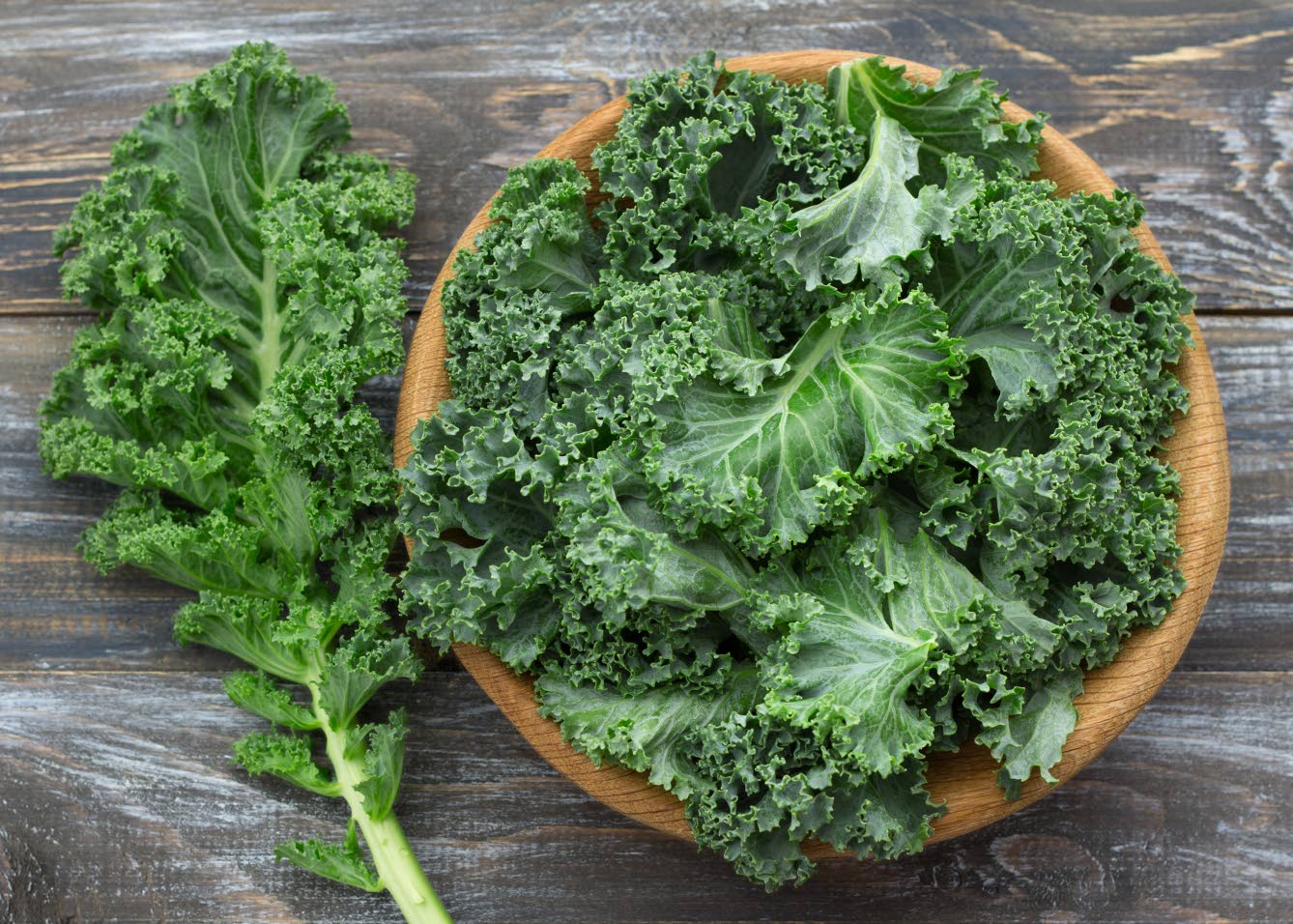
Leafy green veggies like kale are packed with vitamins, minerals and antioxidants.
Leafy green veggies like spinach, callaloo and kale are packed with vitamins, minerals and antioxidants. “They are especially high in vitamin K, which supports healthy blood vessels; and nitrates, which help lower blood pressure and improve blood flow,” Ashley said.
Whole grains
Whole grains like oats, brown rice, quinoa and whole-wheat are excellent sources of fibre. “Soluble fibre helps reduce bad cholesterol and supports healthy digestion, lowering the risk of heart disease,” Ashley said.
Berries
Blueberries, strawberries, raspberries and blackberries contain powerful antioxidants called anthocyanins. “These compounds help protect blood vessels, reduce inflammation and improve overall cardiovascular health,” Ashley said.
Nuts and seeds
Almonds, walnuts, flaxseeds, chia seeds and sunflower seeds provide healthy fats, protein, fibre and essential minerals. Walnuts and flaxseeds are particularly rich in omega-3 fatty acids, which promote heart health.

Fatty fish like salmon is rich in omega-3 fatty acids.
Avocado pear
Avocados are loaded with heart-healthy monounsaturated fats that help lower bad cholesterol while increasing good cholesterol. “They are also rich in potassium, which helps regulate blood pressure,” Ashley said.
Tomatoes
Tomatoes are an excellent source of lycopene, a powerful antioxidant linked to a lower risk of heart disease. “Cooking tomatoes can increase the availability of lycopene, making tomato sauces and soups beneficial choices,” Ashley said.
Beans and legumes
Beans, lentils, chickpeas and peas are high in plant-based protein and fibre while being low in saturated fat. “Regular consumption can help lower cholesterol levels and support healthy blood sugar control,” Ashley said.
Olive oil
Extra-virgin olive oil is a key component of the Mediterranean diet. It contains healthy monounsaturated fats and antioxidants that reduce inflammation and protect the heart from damage.
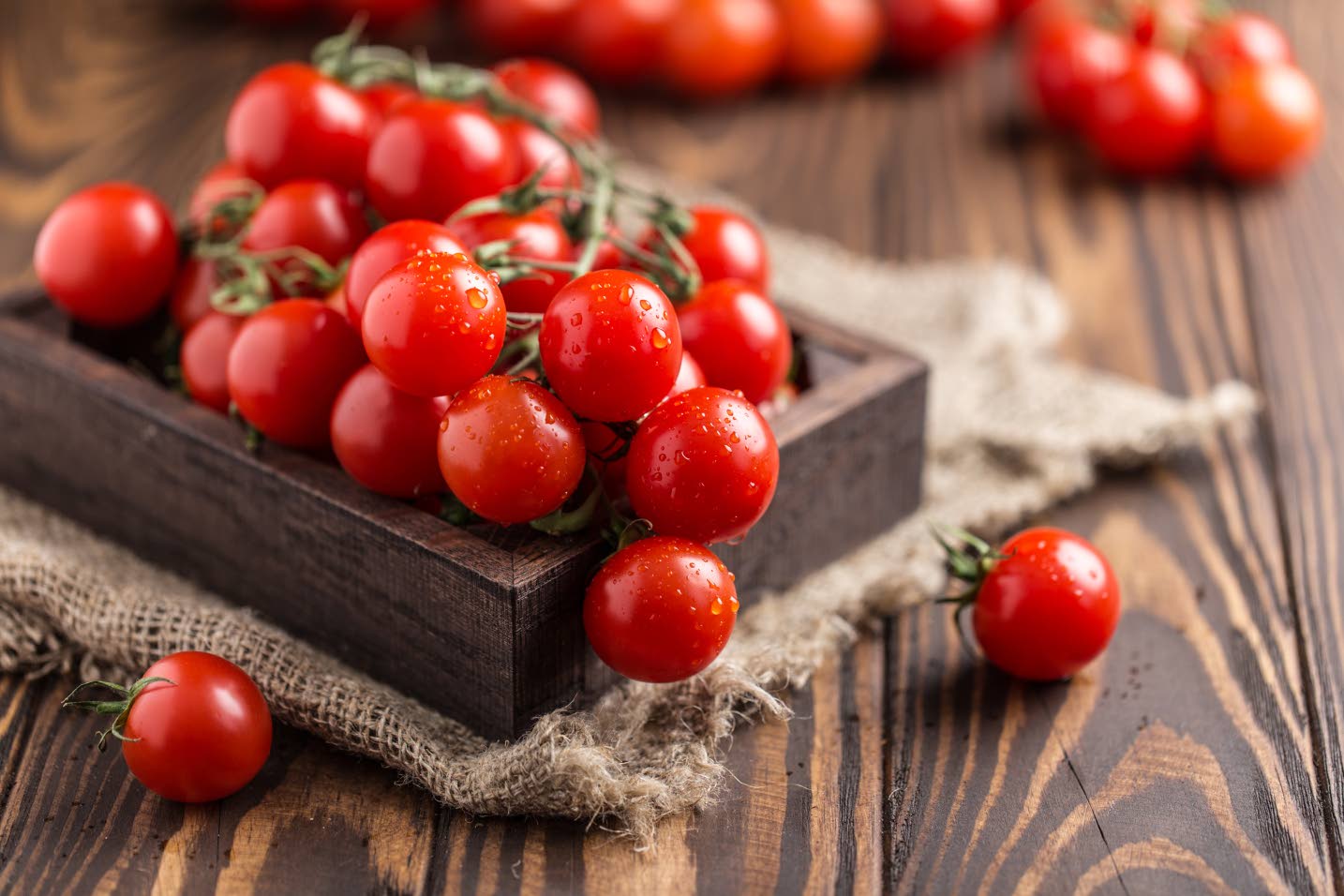
Tomatoes are an excellent source of lycopene, a powerful antioxidant linked to a lower risk of heart disease.
Tips for a heart-healthy diet
•Fill half your plate with fruits and vegetables.
•Choose whole grains instead of refined grains.
•Eat fish at least twice a week.
•Replace butter with healthy oils like olive oil.
•Limit processed foods, sugary drinks and excessive salt.
•Choose lean proteins and plant-based protein sources whenever possible.
•Stay hydrated and maintain a healthy weight.


