



The growing menace of nuclear extinction
When America dropped the first nuclear bombs on Hiroshima and Nagasaki in Japan in 1945, the world witnessed the destructive power of nuclear technology. The devastation and destruction of life and property brought on by those bombs frightened not only the people of Japan, but signalled to the world that humankind had entered a new era of technology that could lead to extinction of life on this planet as we know it.
As the use of the technology in this destructive capacity was just emerging, this might not have been apparent to many. But today, as the proliferation of these weapons have proceeded with frenetic pace, with loose guardrails and bad actors such as North Korea possessing more and more of them, the anxiety index of the people on this planet has increased exponentially. In 1945, there was only one country, the United States of America. But once the technology was perfected, it would not be long before other countries acquired the capability. Today, nine nations have nuclear weapons with an estimated 12, 241 warheads as of January 2025.
One of the main arguments for the possession of nuclear weapons is that they act as a deterrence. No nation in possession of its collective wisdom would want to attack a country that has a weapon that can cause such mass destruction of life and property. In a real sense, the possession of these weapons is its own check and balance against an enemy bent on doing harm. When America used it against Japan in 1945, it was the only country that possessed it. If Japan or Germany had it, it would have been a different story altogether.
But with nine nations now in possession of these weapons and others no doubt wanting to have them for their own security, their danger as an existential threat to all humanity becomes even more palpable. It is not far-fetched for a nation that has them to blackmail vast populations if that nation’s leader should decide to go rogue. What is to prevent a “strongman” in a fit of madness from deploying these arsenals under the guise of self-protection? What is to prevent a conventional war to degenerate into one in which nuclear weapons are used because it is always a leverage?
Frankly, I sometimes feel disquieted that Russian President Vladimir Putin may not hesitate to use it against the Ukrainians if the war drags on and his embarrassment at not being able to end it with conventional weapons becomes a task too hard to bear. And what about the Iran war that is now being waged. There is already the suggestion by experts that the war could pull the world into a Third World War.
This is not an idle thought, for unintended consequences do arise when wars are engaged. This is why they should not be fought in the first place, except for self-defence and the protection of mass populations from genocide. A war on that scale will hardly escape the use of nuclear weapons. The same mind that produced these weapons and continues to proliferate them is the same mind that will not hesitate to use them to its own end. Nuclear weapons are toys to the deranged.
But there is another concern that gives me even greater disquiet. It is the interaction of artificial intelligence (AI) with nuclear technology. There is no doubt in my mind that as AI technology is perfected and allowed to interface and interact with nuclear technology the possibility of catastrophic mistakes becomes real. The problem may not be that AI will launch nuclear weapons on its own — though in time this could be a distinct possibility — but that the delegation of too much judgment to these machines can lead to unpredictable outcomes. It would certainly enhance and accelerate the speed at which nuclear decisions can be made. What if AI, as has been prophesied, gets so intelligent it can override human decision-making? Are we prepared for the miscalculation that could end human civilisation as we know it?
We have had multiple near-launch incidents when the Cold War was at its zenith. Could AI make errors harder to detect? If AI was present at the time of the nuclear stand-off between Russia and the United States, could their systems have led to faster escalation of the conflict? This could happen faster than any human diplomacy between presidents Nikita Kruschev of Russia and John F Kennedy of the United States.
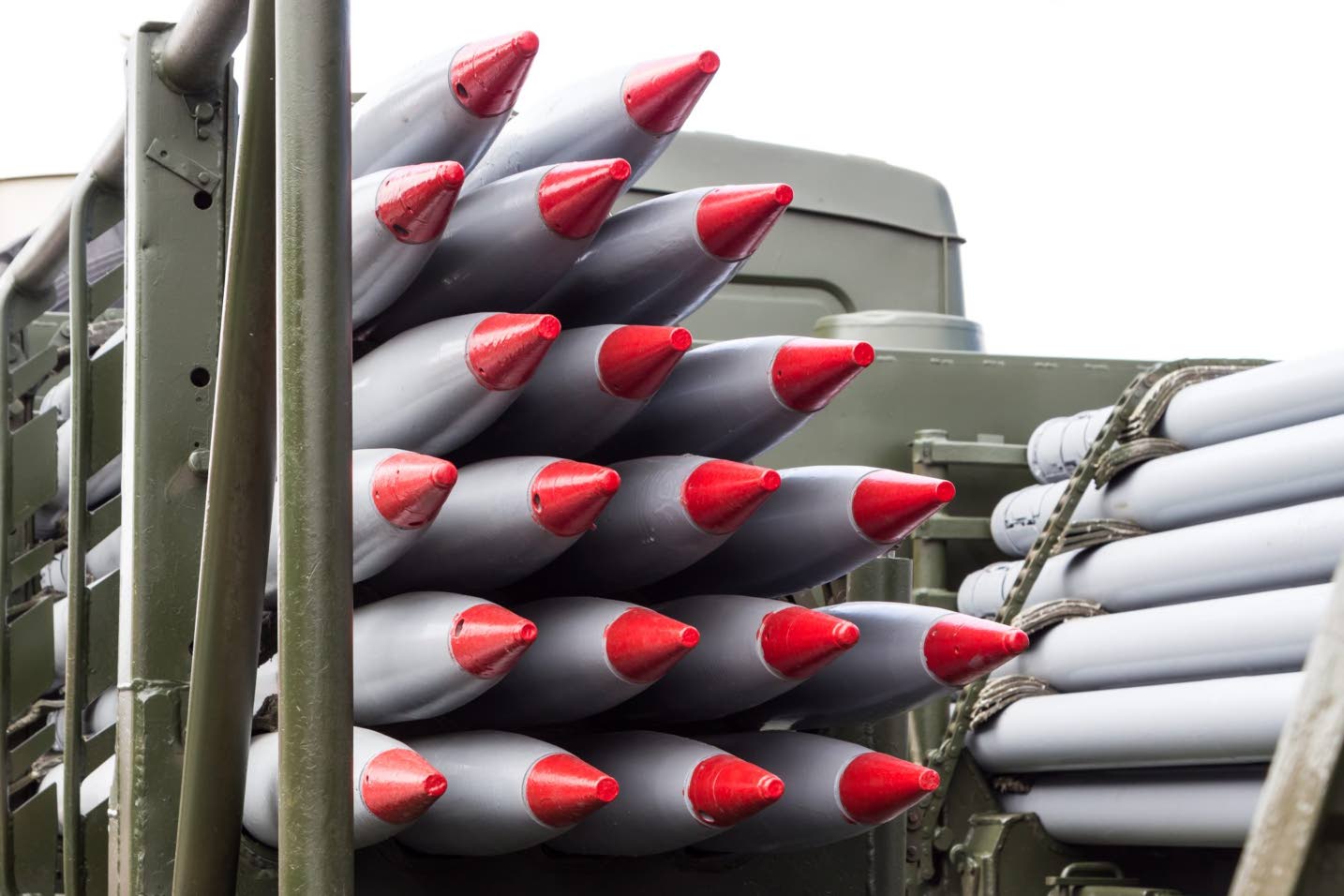
It is believed that nine countries possess nuclear weapons.
The bottom line, if you have not noticed, is that we are living in extremely dangerous times. Yes, ever since the introduction of nuclear weapons, the world has been a dangerous place, but for the discerning, we seem to have taken a particular bend towards uncertainty, megalomania, the loss of respect for our neighbours, as well as the abdication of moral leadership on the part of elected leaders and people on a whole.
We are witnessing the abysmal breakdown of executive leadership around the world. Add to that the use of AI technology and our blood pressure may very well race to 200/95. Is this part of the reason so many young people of childbearing age are opting not to have children — not to bring them into a world where they will live in a literal hell caused by climate change and the possibility of nuclear extinction caused by uncaring, immoral leaders?
But we cannot lose hope. Citizens of the world must unite in advocacy that will see the elimination of nuclear weapons. It is in no one’s best interest to have them. We as human beings built them and we can dismantle them — period.
Dr Raulston Nembhard is a priest, social commentator and author of the books Finding Peace in the Midst of Life’s Storms; Your Self-esteem Guide to a Better Life; and Beyond Petulance: Republican Politics and the Future of America. He also host a podcast — Mango Tree Dialogues — on his YouTube channel. Send comments to the Jamaica Observer or stead6655@aol.com.
Raulston Nembhard


