



The scholastic shield
Dear Editor,
Traditionally, public perception of a law enforcement agency centres on its tactical output — crime prevention, physical patrol, and maintaining public order. For decades, the Jamaica Constabulary Force (JCF) was viewed through this singular lens. However, the contemporary landscape of global policing demands a shift from a purely paramilitary model to an intellectual, evidence-based paradigm.
In response, the modern JCF has undergone a deliberate, institutional metamorphosis. By embedding higher education, formal accreditation, and youth scholarship into its foundational pillars, the JCF has transformed into an academic-centric organisation that prioritises intellect alongside operational utility.
The most visible indicator of this academic shift lies at the pinnacle of the organisation’s leadership structure. The modern JCF is guided by a highly educated High Command, exemplified by Commissioner of Police Dr Kevin Blake, who holds a PhD in Sustainable Development.
This academic ethos filters down through the ranks. The contemporary force boasts an unprecedented concentration of tertiary-educated personnel. Active officers routinely hold bachelor’s, master’s, and doctoral degrees in diverse disciplines such as criminology, data analytics, behavioural sciences, and public administration. By championing higher learning, the JCF ensures strategic decisions are guided by empirical research and modern management theories rather than outdated, reactive policing habits.
This intellectual rigour is codified at the entry level through the National Police College of Jamaica (NPCJ). The basic training curriculum for recruits has been re-engineered, shifting from isolated physical drilling to a structured academic programme. Accredited by international bodies like International Association of Directors of Law Enforcement Standards and Training (IADLEST), NPCJ aligns its training with global tertiary standards. Today’s recruits do not merely complete a training cycle, they embark on an educational pathway that yields an associate of science degree or an Advanced Diploma in General Policing.
This shift bridges the historic gap between vocational law enforcement and higher education, ensuring every new officer understands constitutional law, human rights, and sociology before taking the oath of office.
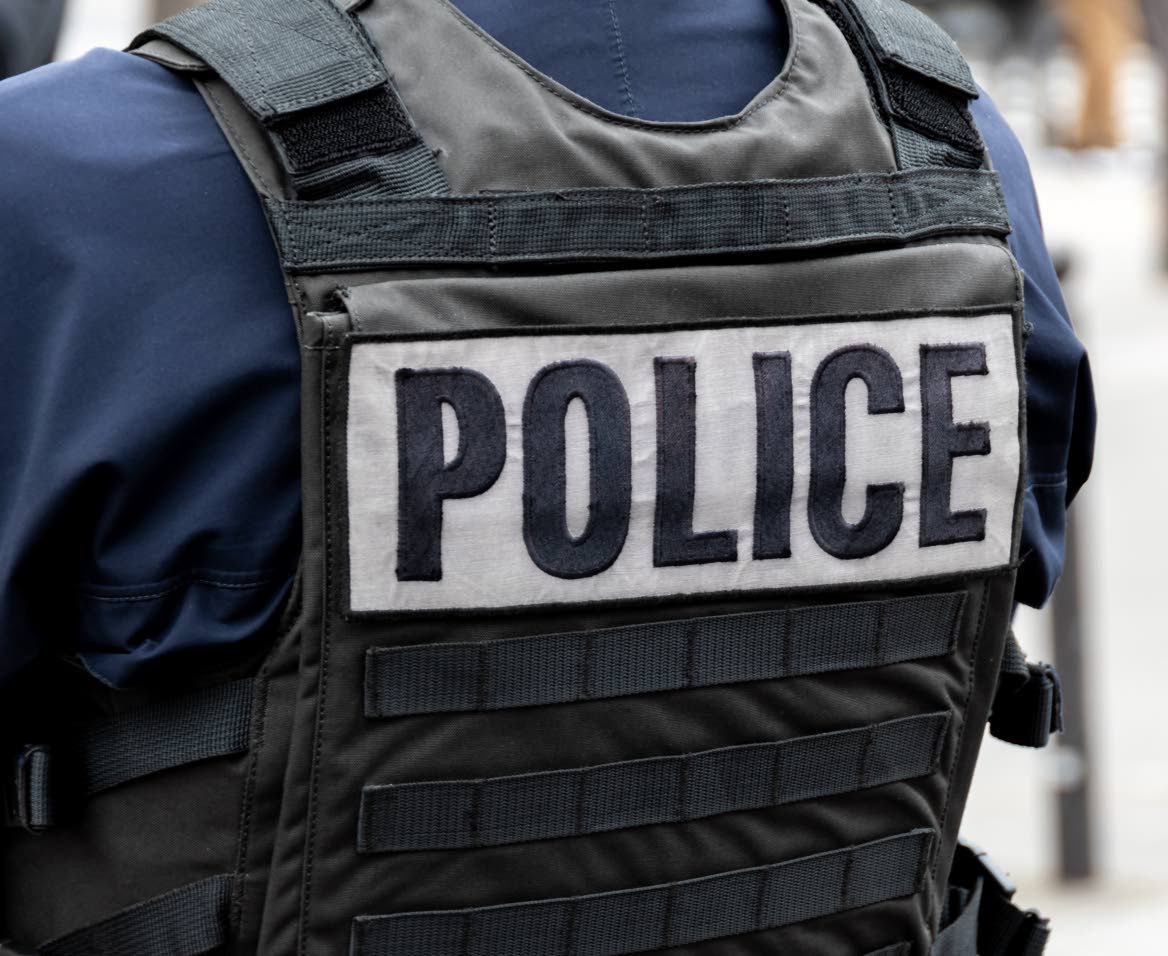
The modern Jamaica Constabulary Force has embedded higher education, formal accreditation, and youth scholarship in its foundational pillars..
Beyond internal development, the JCF has extended its academic footprint into the wider Jamaican society, serving as an educational incubator for youth. The establishment of the JCF Cadet Academy represents a landmark fusion of paramilitary discipline and secondary education. Functioning as a registered secondary institution, the academy provides young men with a rigorous academic environment focused on achieving high marks in regional Caribbean Secondary Education Certificate (CSEC) and Caribbean Advanced Proficiency Examination (CAPE) examinations.
By offering a structured alternative pathway to traditional high schooling, the JCF actively combats youth vulnerability through scholarship, proving that its institutional mandate is as much about human development as it is about national security.
The JCF can no longer be defined solely by its tactical mandates. Through the academic professionalisation of its leadership, the formal accreditation of its training colleges, and its direct interventions in secondary education, the JCF has established a dual identity. It stands not only as the nation’s primary shield against crime, but also as a highly sophisticated, academic-centric institution. In doing so, the force demonstrates that the ultimate weapon in modern policing is not physical force, but a highly developed intellect.
Dormah B Harrison
Retired assistant commissioner of police
dormahh@hmail.com


