



Young voices take steering wheel in drive for safer roads
FOR 15-year-old Whitley-Rae Davis, road safety is not simply about learning traffic signs or memorising rules — the JN Scholar and Campion College student was once struck by a vehicle while walking along a roadway. Her mother was also involved in a road crash in 2021.
Although Whitley-Rae escaped serious injury, her experience has strengthened her determination to encourage other young people to make safer choices on the road.
She is taking that message a step further, using her voice as part of an initiative that puts young people at the centre of Jamaica’s road safety advocacy efforts and the encouragement of helmet-wearing among riders.
While her experience was as a pedestrian, it heightened Whitley-Rae’s awareness of the risks faced by road users and the importance of taking precautions to protect against serious injury. For her, that includes making helmet-wearing a priority for motorcycle riders and passengers.
“Please wear helmets. Helmets are cool. Don’t let anyone make you think they’re not cool,” she said. “Wear helmets and wear the proper gear, especially even as a passenger.”
Whitley-Rae is among the young people participating in the pilot of Youth Advocacy in Action for Safer Roads, which is being implemented under the iDrive4Life programme by the Jamaica Automobile Association and JN Foundation in collaboration with Youth for Road Safety (YOURS), a global organisation that works with and for young people to demand and deliver road safety and sustainable mobility.
She said the training also highlighted an issue she had observed but never fully understood, passengers or pillion riders on motorcycles are less likely to wear helmets than the riders themselves.
Her message to those who may see helmets as unnecessary or uncool is simple: “A cracked skull isn’t cool.”
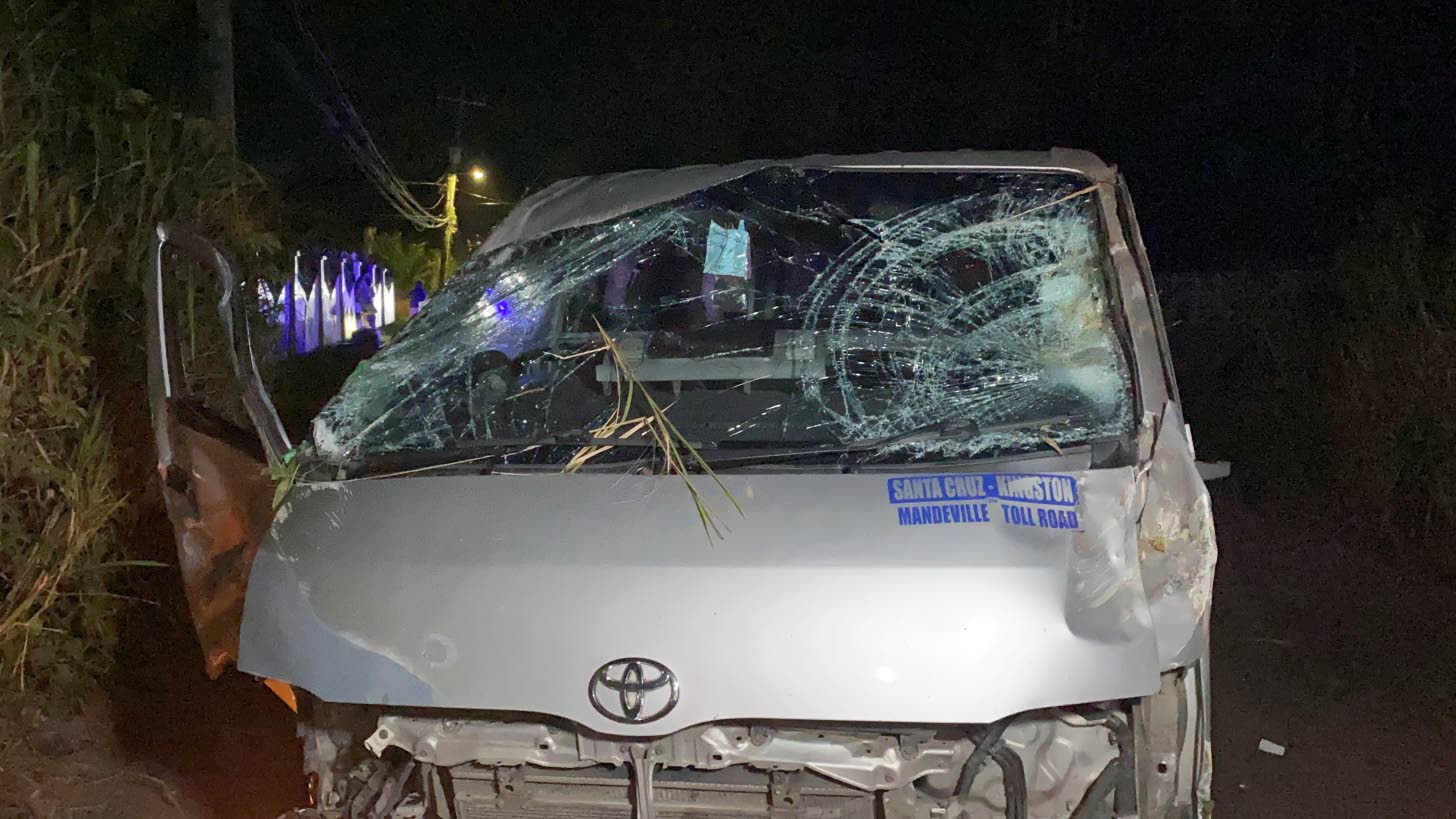
One of two vehicles involved in a fatal crash on Manchester road in Mandeville, just over one month ago. (Photo: Kasey Williams)
The initiative will ultimately equip 150 secondary school students across Jamaica with road safety knowledge, advocacy, and leadership skills, enabling them to develop and lead their own campaigns.
For 15-year-old Timani Campbell of Cedar Grove Academy, the programme is also providing an opportunity for young people to have a say in addressing a problem that affects them and their communities.
Timani said he was encouraged by the effort to engage young people directly in discussions about road crashes and ways to make Jamaica’s roads safer.
Omar Wright, lead, environment and community development at the JN Foundation, explained the initiative was developed against the backdrop of Jamaica’s persistent road traffic fatalities and their disproportionate impact on young people.
“Globally, the problem of road traffic fatalities affects young people the most,” he said, noting that this is the leading cause of death among people between five and 29 years old.
According to Wright, the initiative was deliberately designed to ask young people — many of whom are directly affected by the issue — what they would do differently to help change the outcome.
Unlike traditional road safety education, which often positions young people as recipients of information, the project gives them ownership of the advocacy process from beginning to end.
“The advocacy is being done directly. It is being designed by the youth. It is owned by youth, and it is being evaluated by youth,” Wright explained.
He said a key component of the initiative is helping students understand that advocacy goes beyond identifying problems. They were encouraged to recognise their ability to influence change and equipped with practical tools to do so.
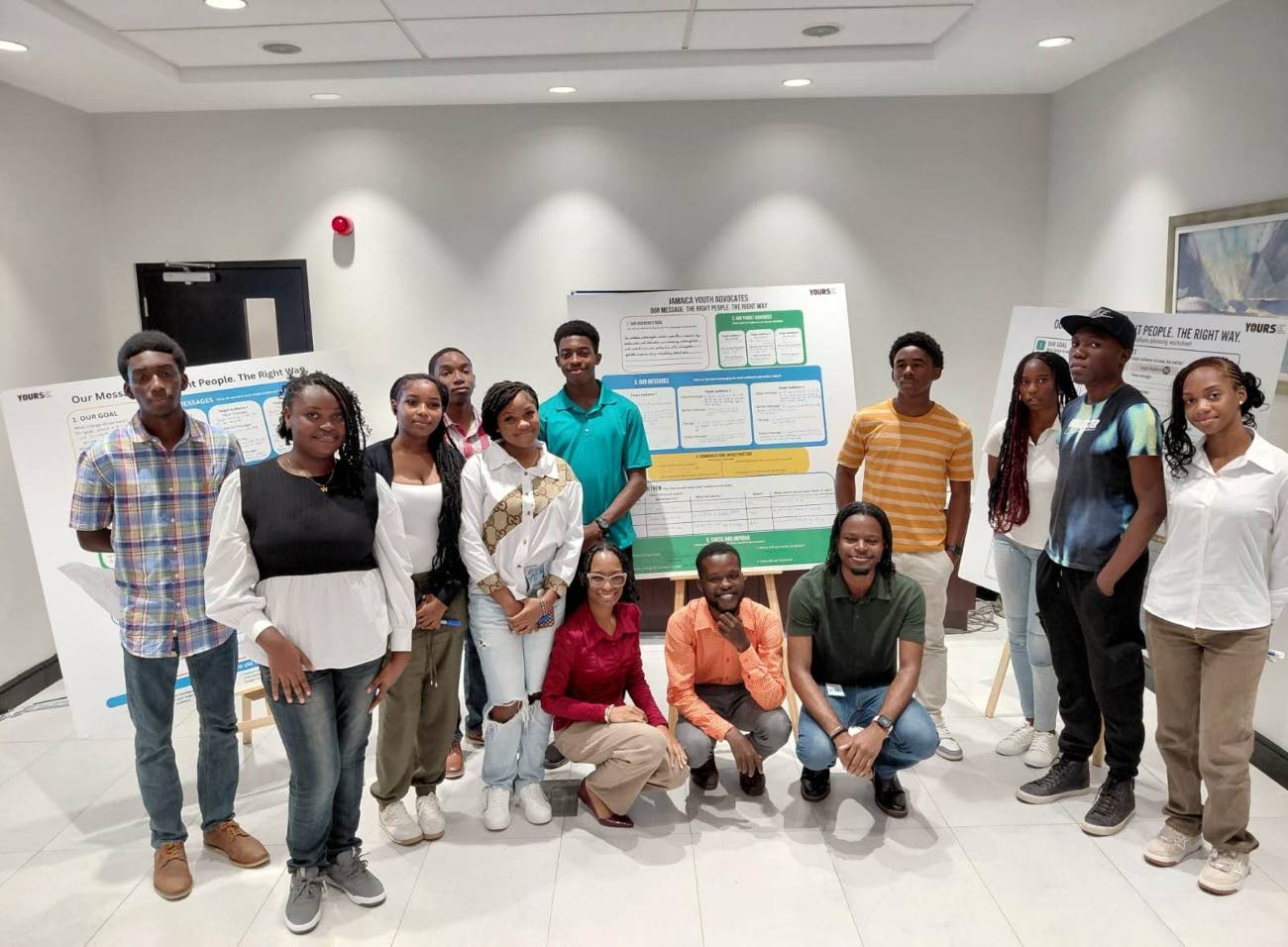
Some of the young people participating in the pilot of Youth Advocacy in Action for Safer Roads, which is being implemented under the iDrive4Life programme by the Jamaica Automobile Association and JN Foundation, in collaboration with Youth for Road Safety (YOURS).
The training has introduced the students to different advocacy tactics, including writing letters to editors, using social media, and creating petitions to mobilise others around issues affecting their communities.
Natalie Burton, project officer of Jamaica Youth Advocacy Network, one of the trainers at the workshop, said the objective was to move students from simply identifying problems to taking ownership of the solutions.
“We helped them to shift from the mentality of just saying, ‘This needs to be fixed,’ and instead, ‘How can I ensure this is fixed?’ ” Burton explained.
The students are also being taught how to tailor messages to different audiences and develop effective courses of action.
She said young people have a unique advantage when advocating for change because they can use their personal experiences to humanise issues that may otherwise be reduced to statistics.
As part of the project, each participating school will receive funding to develop and implement a road safety advocacy campaign over a three-month period. The campaigns will then be assessed to determine which messages and tactics are most effective.
The students will focus on road safety issues that are particularly relevant to Jamaica, including speeding, safe driving around school zones, and the use of certified helmets.
Whitley-Rae and Timani were among 15 students who recently participated in a workshop at the corporate offices of the JN Group.


