



Going major still matters
Music executives weigh in on the impact, relevance of international labels on reggae and dancehall
OVER the past few weeks there have been discussions on social media platforms about the relationship between Jamaican artistes and major US record companies.
Some persons have argued that major labels offer nothing to the careers of Jamaican artistes, whom they claim achieve greater success by remaining independent, while others have reasoned that the labels provide opportunities that artistes would not have been able to achieve independently.
The Jamaica Observer spoke to industry professionals who shared their experiences working with major labels and reggae and dancehall artistes.
Jeremy Harding, a respected music producer and artiste manager, has worked with major labels on the production side. He produced Kevin Lyttle and Spragga Benz’s Turn Me On for Atlantic Records, remixed Body Party by Ciara for Epic Records, and mixed and engineered songs on Kardinal Offishal’s Not 4 Sale album for KonLive/Geffen.
Harding is also the former manager of international dancehall artiste Sean Paul.
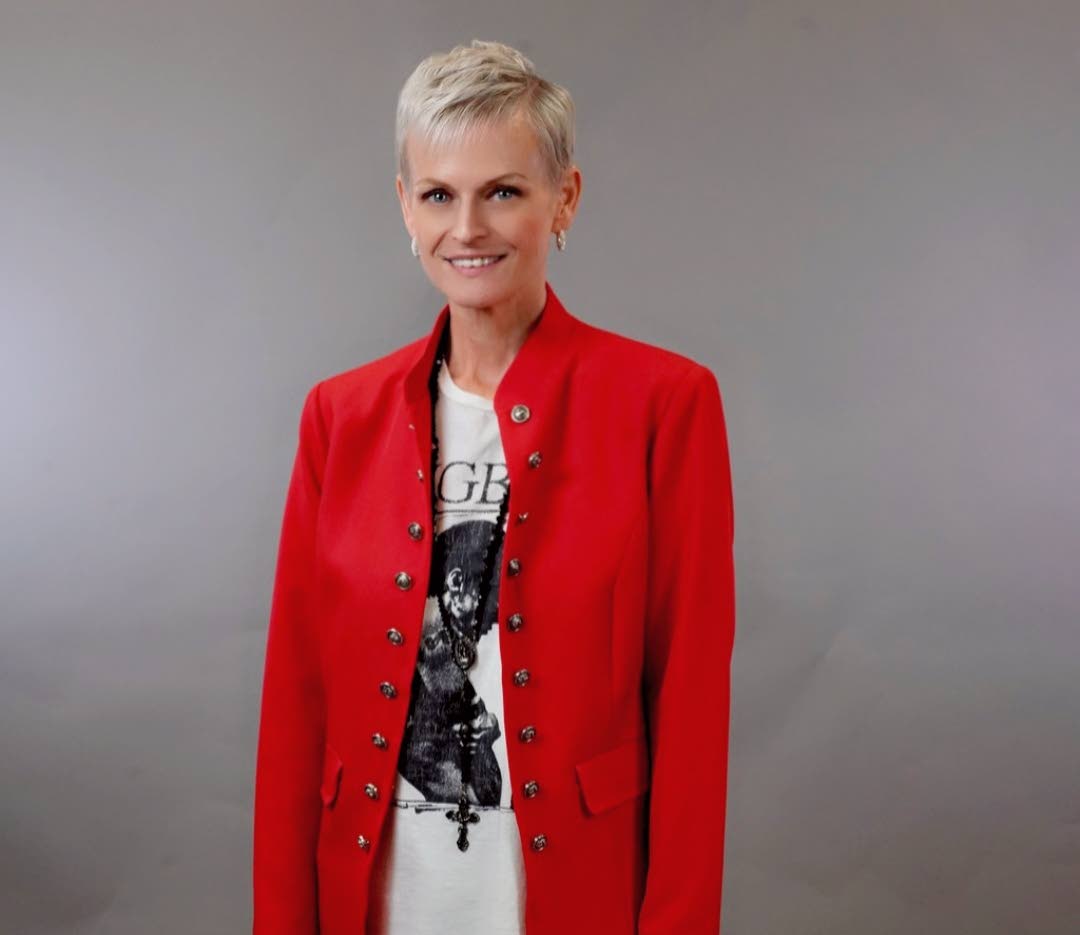
Cristy Barber .
Asked if he believed that, in today’s music environment, Jamaican artistes do not need the support of a major label, Harding said, “ ‘Do not need’ is too definitive of a statement to place on the requirements of a successful career. Jamaican artistes have had mixed success being signed to major labels over the years, with some achieving multi-platinum successes and many more, unfortunately, being released from deals without being able to chart, sell or stream enough for the major label to continue its investment in them or without being able to recoup [on investment] or [to make a] profit. There have been many successful artistes from Jamaica that have had lucrative and celebratory careers without a major label, for sure. We have a very supportive Diaspora market which keeps them touring and doing shows, and their social media base can also be very supportive in keeping their fan base energised and keeping them relevant. But that’s doesn’t say artistes ‘do not need’ a major label.”
Harding continued, “If that artiste’s ambition is to be on top of the Billboard charts consistently and to line their walls with gold and platinum plaques, to be on late night network TV shows, appear on top-rated Spotify playlists and top 40 radio across the world, then that 100 per cent requires being signed to a major label for their resources, relationships and budgets that make all those things happen. That’s not going to happen with only YouTube views and TikTok content.
“A major label is more designed to grow the career of the artiste one single at a time through repetition and exposure to the largest audience possible. To create big hit records rather than flood the market with continuous content potentially overexposing the artiste and having too many songs in the same space, by the same artiste, competing for listeners’ attention. If the playing field was level, then the thought of owning 100 per cent of your own masters sounds appealing. But in reality, your 20 per cent royalty from the label owning the master and what they can do with it far outweighs what you can achieve with your own DSP distribution and your followers on
Instagram,” Harding shared.
Cristy Barber, president of the Tuff Gong Collective and former chair of the Grammys’ Reggae Committee, has worked at several major labels throughout her career, where she signed a number of Jamaican acts.
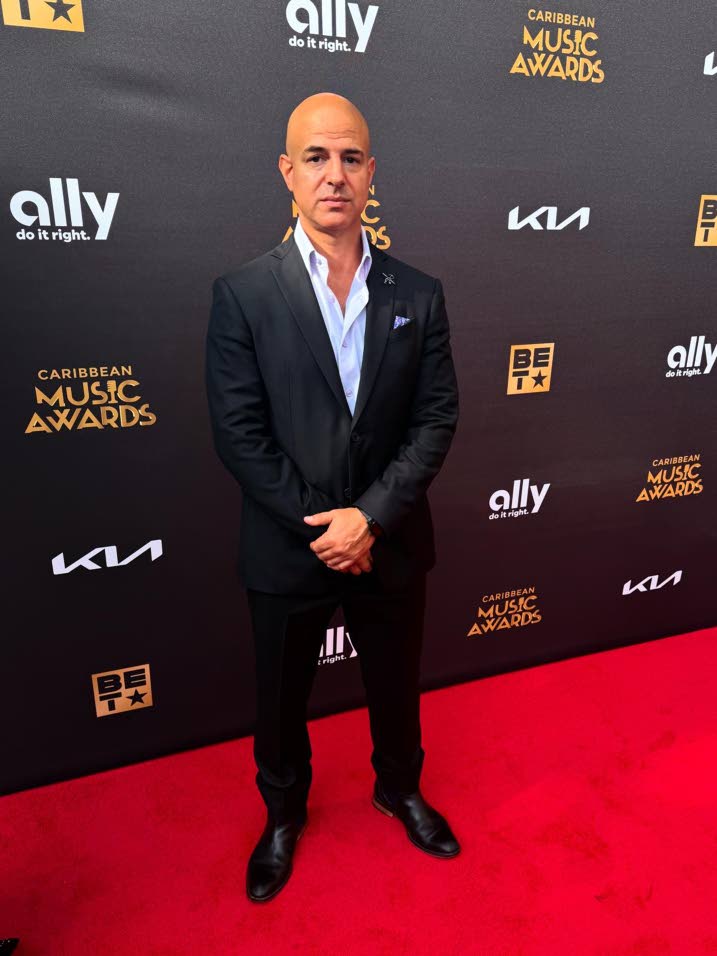
Brian Greenspoon .
Barber concurred with Harding about the benefits and support that an artiste can access once signed to a major label.
“It can be beneficial if you understand the benefits you get from them and capitalise off of it. The biggest mistake an artiste can make by going into a major label relationship is thinking they will do all the work for you. Usually, the artiste will have better financial support and access to a wider reach of promotion and exposure to opportunities worldwide. However, it depends on your career goals and talent whether or not you need a major label, no matter the genre,” said Barber. “Major labels and artistes can co-exist once there is a clear understanding of what each of them brings to the table.”
Barber has worked with a long list of acts during her tenure at major labels, including Spragga Benz (Capitol Records), Super Cat (Columbia Records), Beenie Man, Buju Banton, Jimmy Cliff (Island Records), Sly and Robbie (Elektra Records), and Stephen and Damian “Jr Gong” Marley (Tuff Gong International /Republic/Universal Music).
Clyde McKenzie, cultural commentator and former music executive at Shocking Vibes Productions, interacted with major labels including Sony Music and Virgin Records on behalf of his artistes at Shocking Vibes.
McKenzie doesn’t believe that the current generation of artistes are as welcoming to the idea of being signed to a major label as many of the acts were in the 1990s and early to mid-2000s.
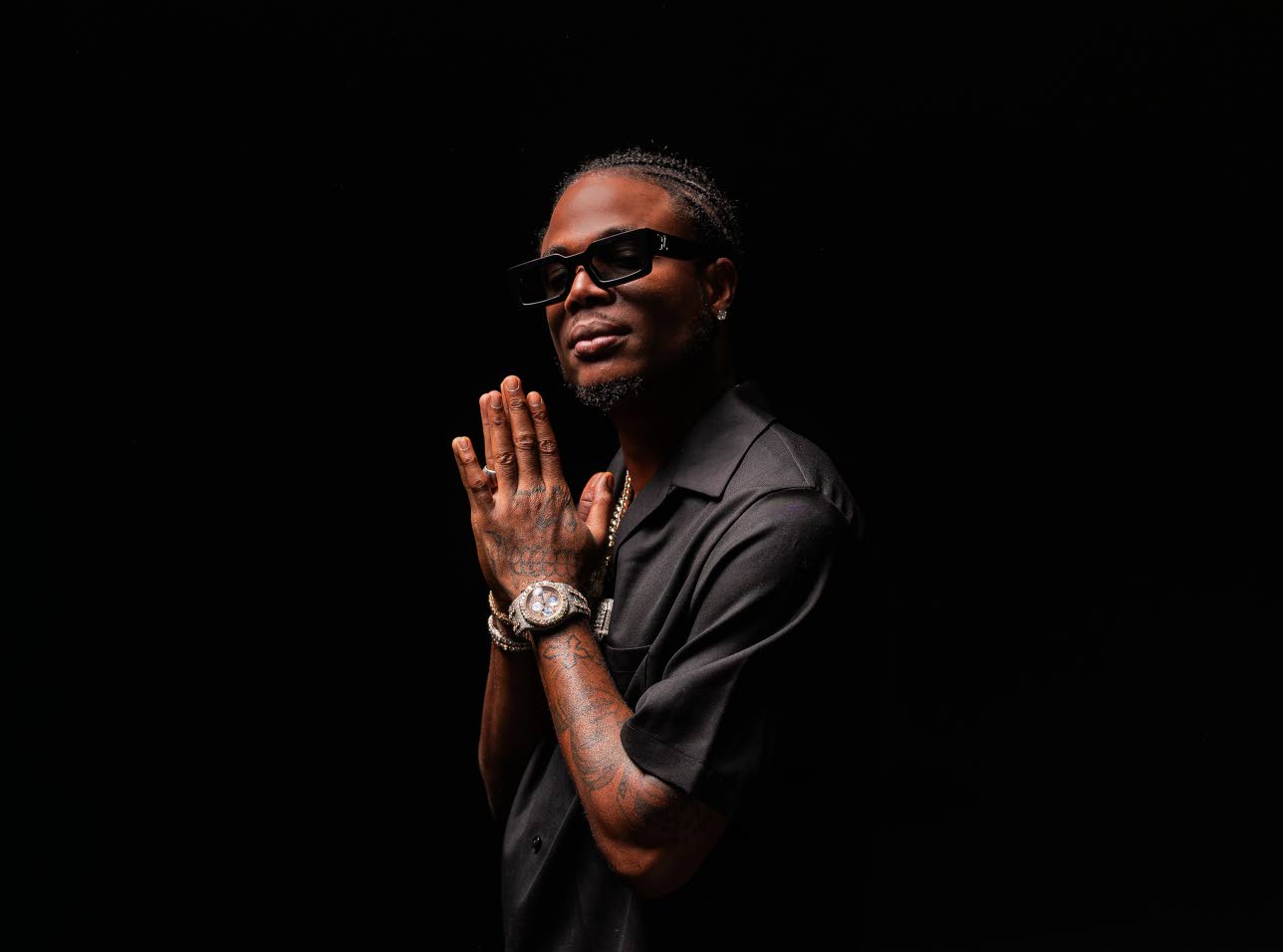
Masicka recently released the album Forever Reign through Def Jam Records.
“I am not sure many Jamaicans are as wedded to the idea of becoming signed to a record label as they were in the last century. Many Jamaican acts have accentuated a trend which has been a feature of our music for some time now. They are more reliant on earning money from shows and tours than they are from record sales. This means that what they want is to get as much publicity as they can — officially and underground. Record labels still matter, though, because they still have promotional platforms, which can provide considerable reach for upcoming artistes. VP Records has been important to reggae and dancehall more than the major labels like Universal, Sony and Warner, or their affiliates. However, it seems that while the labels can still be helpful in the digital and traditional distribution of their music, a number of these artistes are trying to blow up first without the intervention of the labels,” McKenzie reasoned. “My experience with large labels is that they have the financial resources but they were not sufficiently close to the streets to allow Jamaican acts to maximise their impact. Management had to make sure that they were integrally involved in the forging of strategy because many of the record company executives were often not familiar with how to promote and market Jamaican acts which did not have dedicated media outlets like some of the mainstream American acts.”
Brian Greenspoon worked in the International Department at Elektra Records in New York and represented the likes of Missy Elliott, Busta Rhymes, Fabolous and Mark Ronson. He is also a former head of marketing at VP Records, former general manager at Lizard King Records, and he also did a stint at EMI Music Publishing shortly after he finished college in the late 1990s.
Greenspoon, who today works as an independent publicist representing acts signed to independent and major labels, believes that major labels know the potential of reggae and dancehall acts but that not every artiste is suited for the major label system.
“Reggae and dancehall music have permeated every facet of popular culture, so majors already know the potential. Majors can continue to acquire catalogues and work with reggae acts through their independent distribution arms like ADA at Warner, The Orchard or AWAL at Sony, and Virgin Music Group at Universal. They continue to support and sign acts directly like Masicka at Def Jam Records or Shenseea at Since ‘93/Columbia Records. Of course, not every act is suited for the major label system. It’s a matter of pairing a culturally aware label with a globally appealing act who has a catalogue of music that can speak to the masses and generate income, via various revenue streams, over time. Jamaican acts and major labels have more opportunities to coexist now than ever before, but it’s up to the artiste and manager to create an undeniable story and an unbreakable base upon which a label can build. Once a Jamaican artiste has maximised their audience at home and in the Diaspora, a major label’s job is to provide the resources, ideas, and global network to amplify that story to the world beyond,” said Greenspoon.


