



Wrong to say most Jamaicans are hungry, says Green
OCHO RIOS, St Ann — Agriculture Minister Floyd Green is pushing back against the perception, fuelled by interpretation of a United Nations (UN) survey, that more than half of Jamaica’s population is going hungry.
“It doesn’t say that 55 per cent of Jamaicans are going hungry. It does not say that, and that is not reality. It also cannot be translated to say 28 per cent of Jamaicans go hungry. In fact, we do track whether Jamaicans are able to afford what we call a nutritious meal,” Green said Wednesday during the opening ceremony of the 10th International Conference on Food Security and Sovereignty 2026 at Sandals Dunn’s River in Ocho Rios, St Ann.
He was referencing survey results that said 55.1 per cent of Jamaicans experienced moderate or severe food insecurity between 2021 and 2023.
While acknowledging that the finding deserves attention, the minister said it must be viewed within the context that it done during the COVID-19 pandemic, a time of significant upheaval.

Agriculture Minister Floyd Green speaking, Wednesday, during the 10th International Conference on Food Security and Sovereignty 2026, held at Sandals Dunn’s River in Ocho Rios, St Ann. (Photo: Horace Hines)
Green also explained that the UN’s Food Insecurity Experience Scale measures people’s experiences and concerns surrounding food, including whether they worry about having enough to eat, if they can afford a healthy and nutritious diet, whether they have had to reduce the variety of food they consume, eaten less than they felt they should, skipped meals, or run out of food. The most severe question, he noted, asks whether a person went an entire day without eating.
“If you look at the methodology, you would understand that while it may share things about vulnerability, affordability, diet quality, and uncertainty around food, it does not mean hunger,” the minister stressed.
“It will be, therefore, inaccurate to interpret the figures as meaning that 55 out of every 100 Jamaicans are going hungry. It does not say that, and that is not reality,” he insisted.
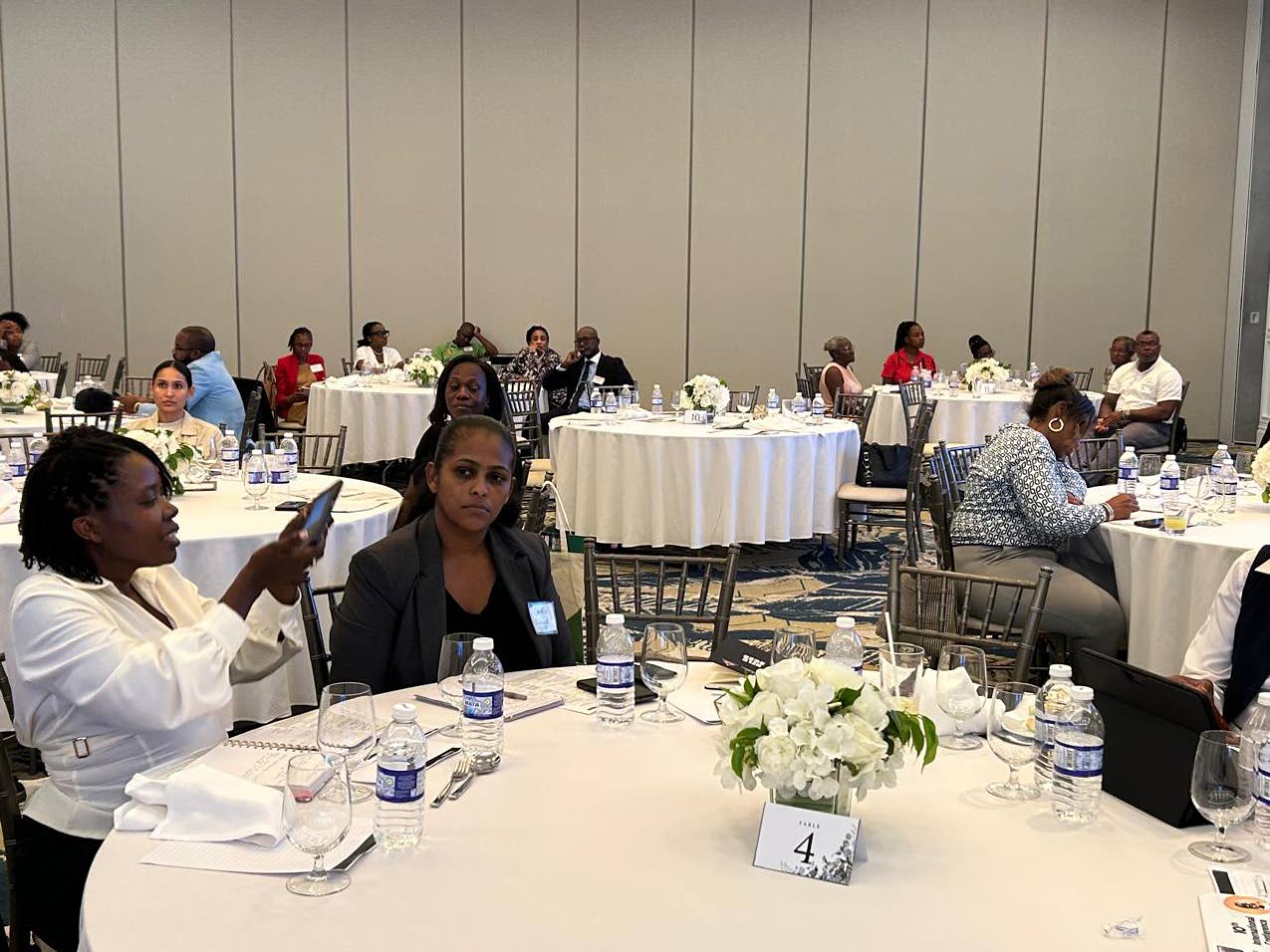
Participants in Wednesday’s opening ceremony for the 10th International Conference on Food Security and Sovereignty 2026 at Sandals Dunn’s River in Ocho Rios, St Ann. (Photo: Horace Hines)
Green said another measure, Jamaica’s food poverty index, provides a different perspective on the ability of households to meet their basic nutritional needs.
He said the index stood at 10.3 per cent in 2013 before falling to four per cent in 2019. Although food poverty increased during the COVID-19 period, Green said it has since declined to 2.7 per cent – its lowest level ever.
He said the decline demonstrates considerable progress over the past 13 years, but acknowledged that the figure still represents a challenge.
“[It] still means we have work to do. But in order to appreciate the work that we have to do, we have to assess, analyse, and be clear on the scope of the problem,” Green argued.


