



Caring For Orchids In The Heat
With extreme heat and prolonged dry spells taking a heavy toll on even the most durable orchids, shifting focus from forcing blooms to safeguarding plant health has never been more critical. To help collectors preserve their prized displays, Style Observer Gardening (SOG) highlights a few protective measures from Plantology876 principal Stacy Thompson.
Orchids Under Prolonged Stress
While orchids are resilent, Thompson notes the blooms are the first to suffer when they are under prolonged heat and water stress.
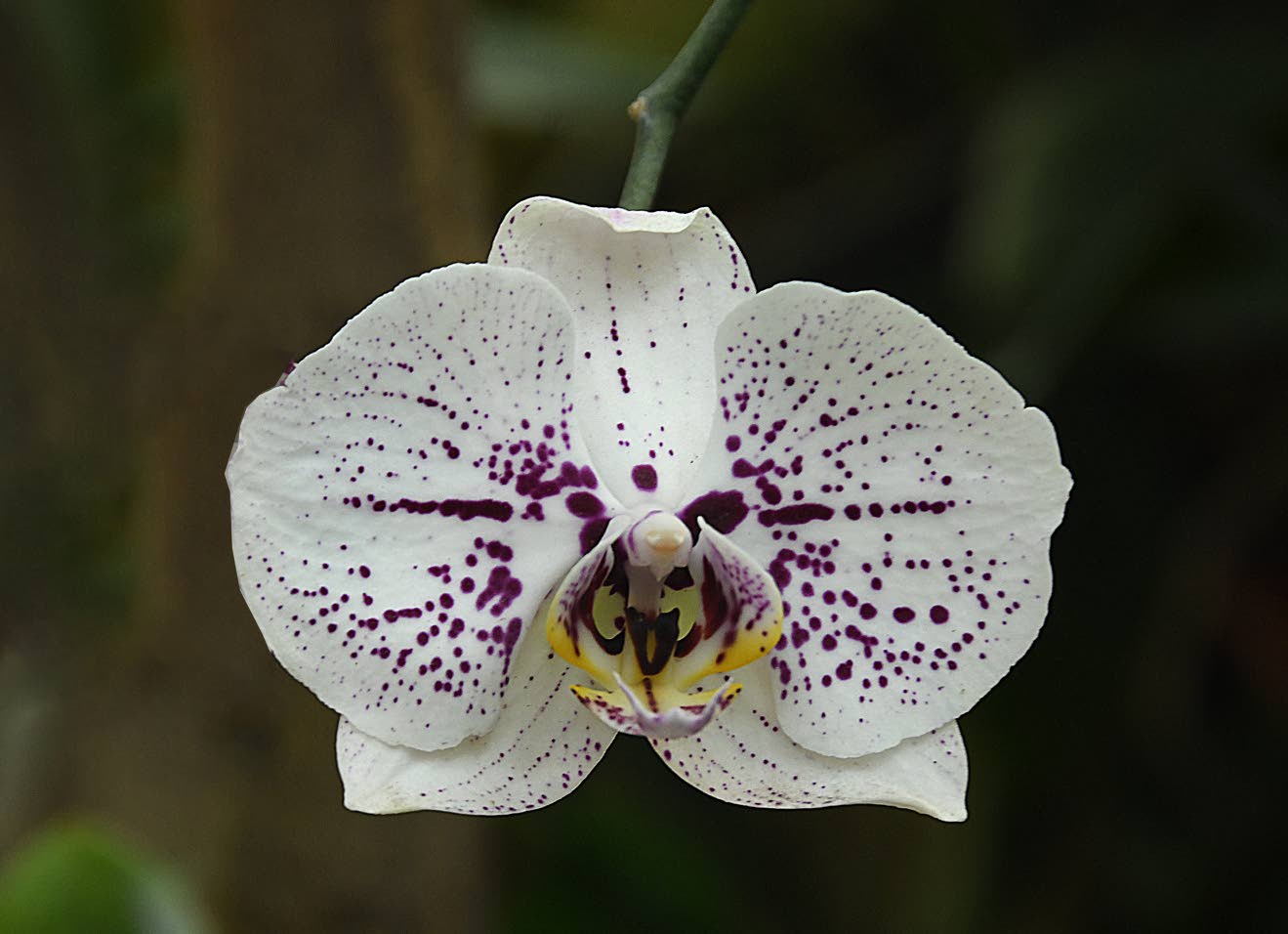
Phalaenopsis (Photo: Naphtali Junior)
“Producing flowers requires energy and water. When an orchid is struggling to stay hydrated, its priority shifts from reproduction to survival,” Thompson shares with SOG. “Flower development may slow, buds may dry up and fall before opening, flowers may fade prematurely, and in severe cases a developing flower spike may stop progressing altogether.”
Judging an orchid solely by its flowers can be misleading. In times of severe heat, focusing on healthy foliage and root systems is far more critical than pushing the plant to bloom. Some of the warning signs include limp, leathery or severely wrinkled leaves, rapid yellowing or dropping of leaves, brown, dry or badly shrivelled roots, buds drying and falling before opening and severe sunburn or bleached areas on the leaves.
Importantly, an orchid can display signs of dehydration even while resting in wet potting medium. When root rot strikes, the plant cannot absorb surrounding water, so wrinkled leaves should never automatically trigger extra watering.
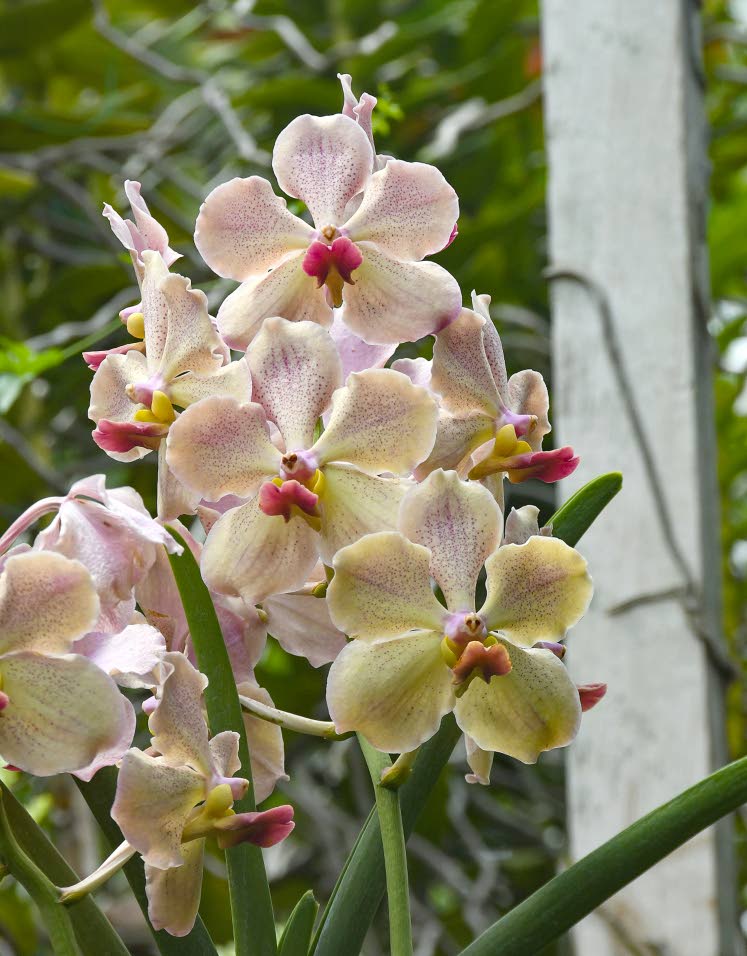
Vanda (Photo: Naphtali Junior)
Sun Vandas Not Immune To Effects
While sun-loving Vanda orchids seem tailored for hot weather, they are not immune to extreme conditions. Thompson notes that intense heat can scorch their leaves, with yellowing, reddish, or purple discolouration followed by brown patches signalling excessive light and heat stress.
Healthy vanda roots normally become green when thoroughly wet and return to a silvery appearance as they dry. During prolonged drought, watch for roots that remain excessively shrivelled, dry or brittle, along with limp or folded leaves, loss of lower leaves and stalled growth.
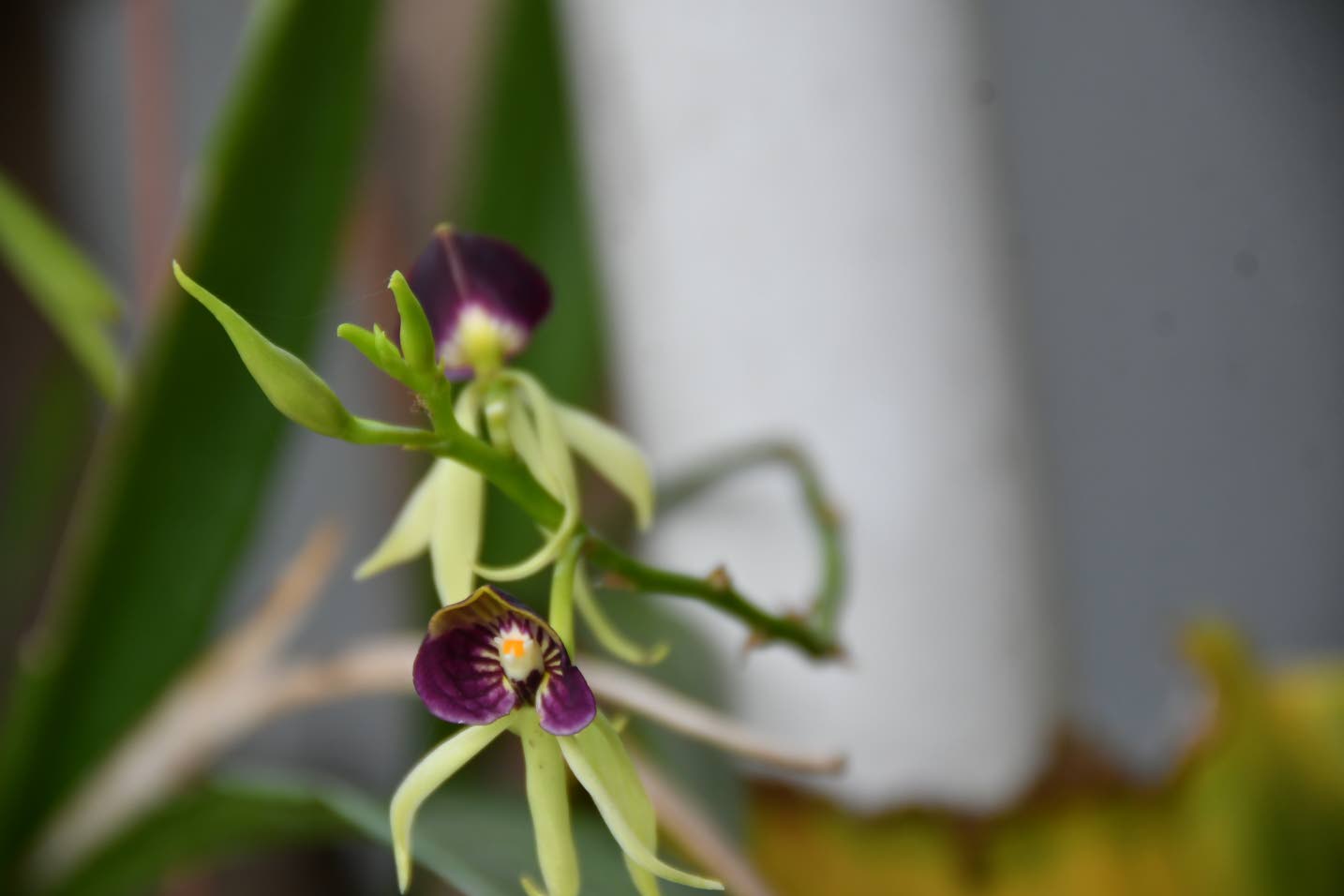
Clamshell orchid (Photo: Garfield Robinson)
Vandas enjoy bright conditions, but high light combined with inadequate water is very different from high light with adequate hydration, humidity and air movement. That distinction becomes extremely important during a Caribbean drought.
Common Mistakes in Saving a Thirsty Orchid
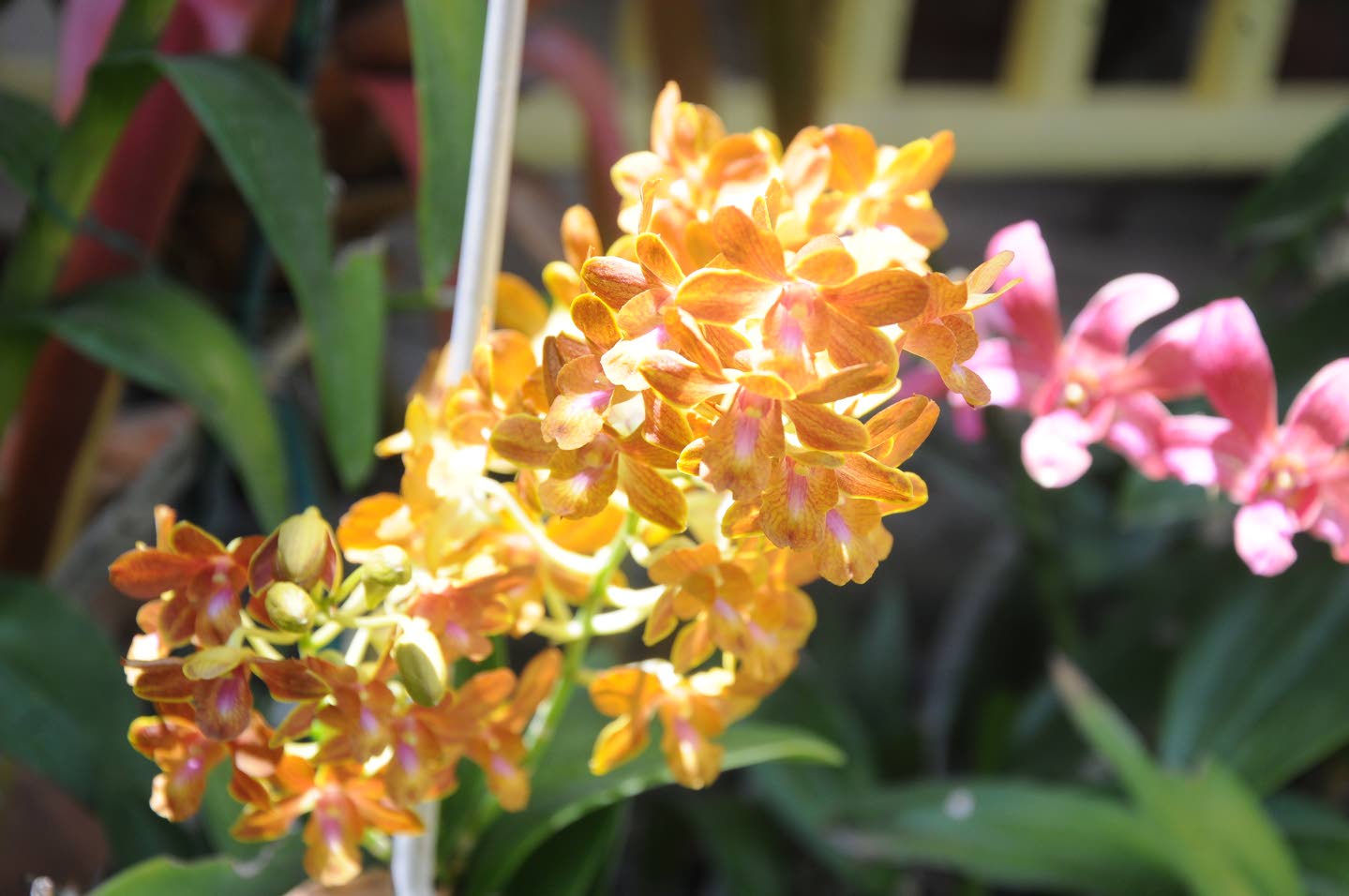
Dendrobium (Photo: Garfield Robinson)
Severe dehydration cannot be fixed with immediate, heavy watering, Thompson stresses. When damaged roots remain waterlogged, they deteriorate further and render the plant even less capable of absorbing moisture.
Additionally, moving a stressed orchid into deep darkness is a common mistake. Reducing excessive heat and direct solar exposure can help, but orchids still require appropriate light and air movement.
Hold off on heavy fertilisation while an orchid is severely dehydrated. Prioritise stabilising the plant and restoring its root system first.
Finally, do not repeatedly move the orchid from one extreme environment to another. Orchids respond better to gradual adjustments and relatively stable growing conditions.
Join SOG next week for more beat-the-heat orchid care tips.
Photos: Naphtali Junior, Garfield Robinson and Joseph Wellington
Plantology876 principal Stacy Thompson


