Cruise association lauds Sandals-Royal Caribbean Group partnership
The Florida-Caribbean Cruise Association (FCCA) has welcomed the announced partnership between Royal Caribbean Group and Sandals Resorts, describing it as a forward-looking development that could deepen collaboration across the region’s tourism industry while creating new opportunities for travellers, businesses, and destinations.
FCCA President Adam Ceserano said the partnership demonstrates the potential for cruise and land-based tourism to work together to expand the Caribbean’s overall vacation offering.
“Cruise and land-based vacations are not competing worlds. They are increasingly part of the same vacation ecosystem, and this announcement demonstrates the potential that exists when leading companies look beyond traditional industry boundaries and focus on creating more opportunities for the guest and greater value for destinations,” he said.
Under the agreement announced last week, Royal Caribbean Group plans to acquire a 50 per cent equity interest in Sandals and Beaches resorts for approximately US$3 billion. The transaction is expected to close in early 2027, subject to customary regulatory approvals and closing conditions.
The proposed partnership will combine Royal Caribbean Group’s global vacation platform, which includes Royal Caribbean, Celebrity Cruises and Silversea, with Sandals and Beaches resorts’ portfolio of all-inclusive properties and more than four decades of Caribbean hospitality experience.
Founded in 1968, Royal Caribbean has grown into one of the world’s largest cruise operators, carrying more than seven million passengers across its fleet of more than 30 vessels in 2025.
Sandals and Beaches, on the other hand, operate 19 properties across Jamaica, St Lucia, The Bahamas, Antigua, Barbados, Grenada, Curaçao, and St Vincent and the Grenadines.
For the FCCA, the deal underscores the close relationship between cruise tourism and the region’s land-based visitor economy, as travellers increasingly experience destinations through multiple vacation formats and trips. This includes combining cruises with pre- or post-cruise stays, returning to destinations first discovered through cruising, or choosing different Caribbean experiences over time.
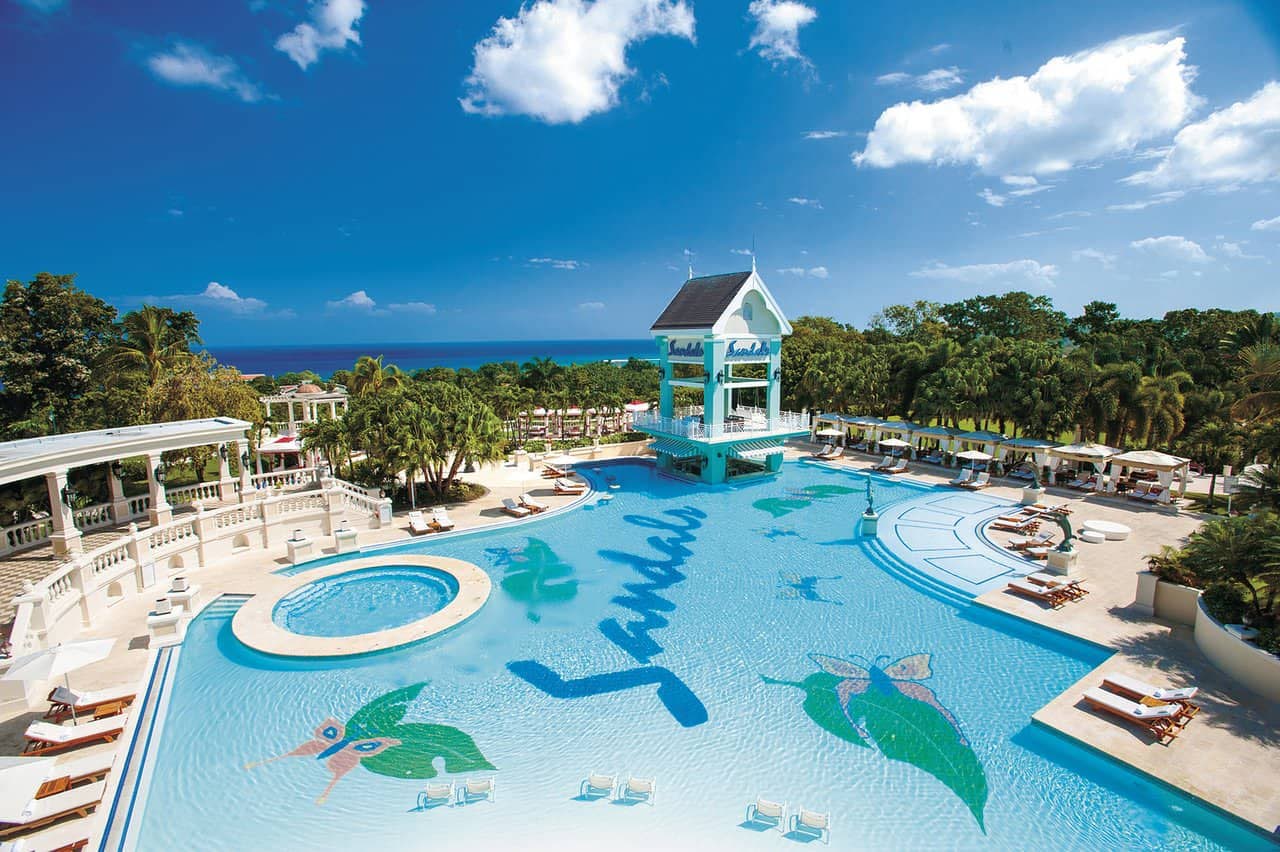
Sandals Ochi Rios resort.
Ceserano said cruise and hotel tourism should not be viewed as separate sectors competing for the same traveller, arguing instead that greater collaboration could expand the overall Caribbean vacation proposition.
“The opportunity is to grow the pie… when cruise lines, resorts, destinations, attractions, restaurants, tour operators and other tourism partners work together we can give travellers more reasons to experience the Caribbean, more reasons to return and more ways to engage with our destinations,” he said.
“That translates into greater economic opportunity across the tourism value chain while also creating meaningful benefits for Caribbean residents through jobs, stronger local businesses, and more sustainable prosperity for communities throughout the region,” Ceserano added.
The proposed partnership expected to support the continued expansion of Sandals and Beaches resorts will also broaden the range of vacation experiences available through Royal Caribbean Group’s growing portfolio.
The over five-decade-old association congratulated Jason Liberty, chairman and CEO of Royal Caribbean Group, and Adam Stewart, executive chairman of Sandals and Beaches resorts, along with their respective teams. It said the partnership will help to further connect major segments of the region’s tourism economy.
Tourism remains a major contributor to the Caribbean’s economy — accounting for more than 22 per cent of regional gross domestic product, while supporting approximately 2.75 million jobs, according to World Bank figures.
Based on Caribbean Tourism Organisation data, in 2025 the region recorded approximately 35 million stay-over arrivals, surpassing pre-COVID levels while adding roughly 900,000 more visitors than in 2024. Similarly, cruise tourism also continued to gain momentum, welcoming 35.5 million visits — 16.7 per cent above 2019 levels.
“The Caribbean is strongest when its tourism stakeholders recognise their shared interests and work together to grow demand, enhance the guest experience, and create sustainable economic value,” said FCCA CEO Michele Paige.