



Struggling borrowers leaving more repossessed cars on lots
ABOUT three in 10 borrowers whose vehicles are repossessed manage to clear their arrears and get them back, according to debt recovery firm Fair Debt Collections Processes Limited, which says more vehicles are remaining on lots to be sold.
Managing Director Marvin Lawrence told the Jamaica Observer that demand for the company’s services has increased sharply over the past year, with banks, credit unions, and microlenders sending more instructions to recover vehicles from delinquent borrowers.
“On average, about 30 per cent of persons are able to clear arrears and retrieve their vehicles; more vehicles are, however, remaining on the lot to be sold,” he said.
Motor vehicles account for most of the company’s repossession work, but the company also handles medical debt recovery, accounts receivable management and legal recovery services. Lawrence said his team is receiving more instructions from lenders and locating more vehicles through stepped-up investigations and spotting exercises.
The recoveries come as households contend with fewer people in employment and higher prices during Jamaica’s recovery from Hurricane Melissa, which affected sections of the island last October. Statin’s July Labour Force Survey recorded 1,419,200 employed people, down 21,900 from July 2025. The unemployment rate remained relatively unchanged at 3.4 per cent, as more people moved outside the labour force. By September, annual inflation had reached 8.6 per cent, putting further pressure on purchasing power.
Bank of Jamaica (BOJ) lending data, however, show that repayment difficulties have not worsened uniformly. Its June 2026 Macroprudential Policy Report recorded an increase in the ratio of past-due loans to gross loans at 3.4 per cent, from 2.7 per cent in March, driven largely by the tourism industry and, to a lesser extent, construction.
Over the same period, the ratio of non-performing loans to gross loans declined to 2.2 per cent from 2.3 per cent. Within household lending, the central bank reported an increase in the consumer past-due loan ratio, even as overall household loan performance improved modestly.
Past-due loans capture missed payments at an earlier stage, while non-performing loans generally involve principal or interest unpaid for 90 days or more. The figures cover broader lending categories and do not provide a count of vehicle repossessions.
Act before repossession
Lawrence attributed borrowers’ difficulties to changes in their circumstances, although he did not identify the most common causes or link the company’s increased workload specifically to hurricane losses.
“The main reasons are changes in their situation which affects their ability to repay. We advise the general public through our social media platforms to talk to their financial institutions before it gets to us,” he told Sunday Finance, adding that the profile of those facing repossession had not changed.
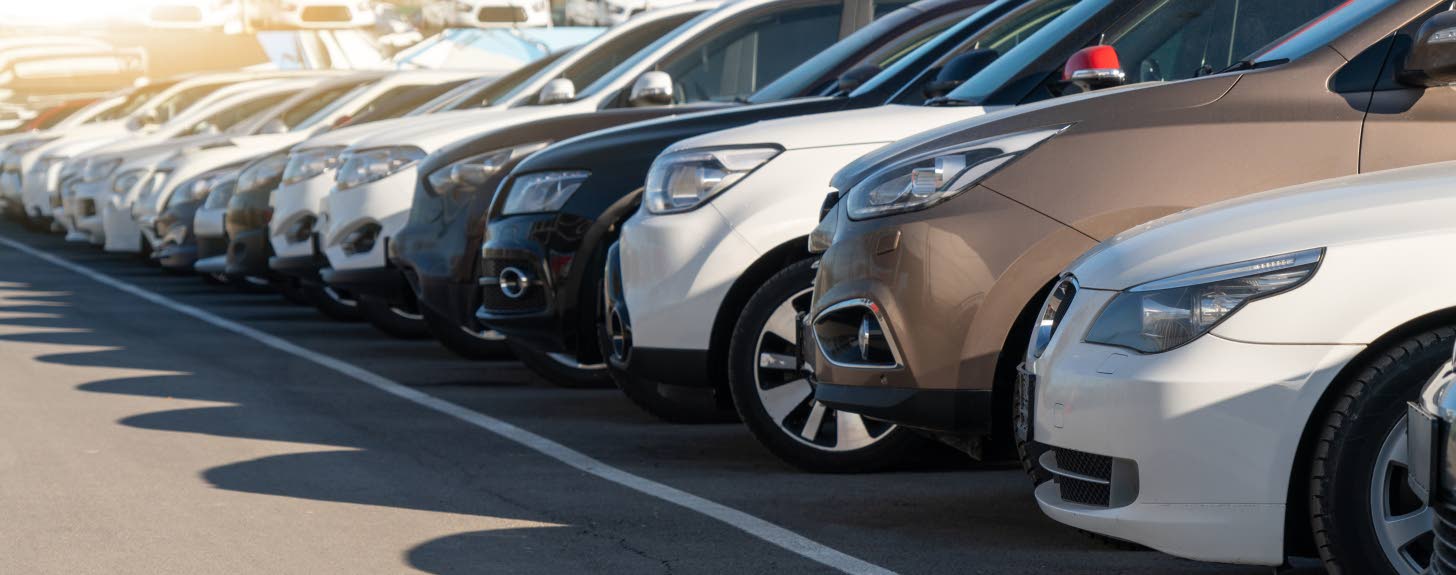
Repossessed vehicles are not necessarily bargains, as lenders seek bids close to market value, says debt recovery executive Marvin Lawrence.
Another repossession operator, which requested anonymity, said it had seen no dramatic increase in recoveries this year compared with last year, although its numbers had generally risen since the COVID-19 pandemic.
Earlier this year, bank advertisements showed substantial inventories of repossessed vehicles being offered for sale.
In April, it was reported that National Commercial Bank Jamaica had advertised 110 repossessed vehicles with a combined asking value of $437.3 million. They ranged from a $500,000 Nissan AD wagon to an $18.4-million Porsche Cayenne.
The following month, JMMB Bank offered 73 repossessed vehicles valued at about $250 million. At the time, its Chief Marketing Officer Kerry-Ann Stimpson said there was nothing unusual about the advertised listing and declined to speculate about whether the repossessions reflected hurricane-related difficulties or individual consumer stress.
Repossession received wider attention in August when it was reported that 80 vehicles had been recovered between August 1 and 9 while owners attended entertainment events in St Ann and St James. The report described the use of spotters and bailiffs to find vehicles attached to delinquent accounts.
Lawrence’s account of more intensive searches helps explain how recovery firms are locating vehicles, but lenders have also continued extending credit. BOJ reported that loans to individuals grew by 8.3 per cent in July compared with a year earlier, up from growth of 7.3 per cent in July 2025.
No guaranteed bargain
Meanwhile, Lawrence cautioned prospective buyers browsing repossessed stock that the vehicles are not necessarily available at steep discounts.
“There is a common misconception that repossessed vehicles are significantly less in cost. There is a clearly defined process of selling repo assets as the customers’ rights and equity have to be protected as well,” he said.
“The vehicles have to be valued and sealed bids accepted by the financial institution. The bid closest to the market value is usually given the nod,” he added.
He did not indicate how long vehicles were taking to sell or whether sale proceeds generally covered the outstanding balances. His advice to borrowers already struggling with payments was to speak with their lenders before their accounts reached the repossession stage.


