



Parottee plea
PM urges residents of Melissa-ravaged St Elizabeth community to relocate as many declare they will not move
PRIME Minister Dr Andrew Holness is warning that Jamaicans living in areas exposed to flooding and other climate threats must confront the growing risks, as the Government seeks to move vulnerable families towards safer ground.
He has instructed the National Reconstruction and Resilience Authority (NaRRA) to fast-track 100 prefabricated homes in Luana, St Elizabeth, for Parottee residents willing to relocate, alongside three large community water tanks in eastern Westmoreland to help restore water supplies disrupted by Hurricane Melissa.
Speaking at a special press briefing at Jamaica House on Tuesday, Holness said the housing project at Luana Phase Three would be undertaken with the Housing Agency of Jamaica (HAJ), which owns the land, and that work should begin immediately. The land has been identified and the subdivision is in place, but roads and other infrastructure must be prepared before the homes can be occupied.
The houses are intended for people living in unsafe conditions who have already indicated that they are willing to move. Holness said the homes must meet Jamaican building standards and have the necessary utilities and community infrastructure in place before families move in.
Holness acknowledged that asking people to leave places where they have lived for years would be difficult, but argued that the Government had a responsibility to help them avoid repeated losses from future disasters.
“So when we go and speak to the people in Parottee, of course they don’t want to move. They’ve been there for years. They love the place. I would love it too, but it is not safe. So relocation is a very important thing that NaRRA will have to undertake, but we will do it with respect and with dignity of the people and with patience. So we’re not going to force anybody to move.”
The prime minister said relocation would be voluntary, with the Government offering alternatives to people living in vulnerable areas. However, he urged residents to consider the long-term risks rather than focus only on the immediate disruption of moving.
“We’re going to give the option. But if you don’t want to be smart and take up the option, don’t come to us afterwards. Because there are other communities that say, ‘I want to move’ and that’s where we’re going to focus,” he expressed.
The plan comes as residents of Parottee, a low-lying seaside community in St Elizabeth, continue to rebuild after Hurricane Melissa devastated homes and damaged the area. Residents who spoke with the Jamaica Observer last week Wednesday expressed that they were determined to stay, despite warnings about the community’s vulnerability to flooding.
Ridge Harvey, who operates Captain Ridge boat tours, told the Observer that he was rebuilding his life and business in Parottee, where he and his family have deep roots.
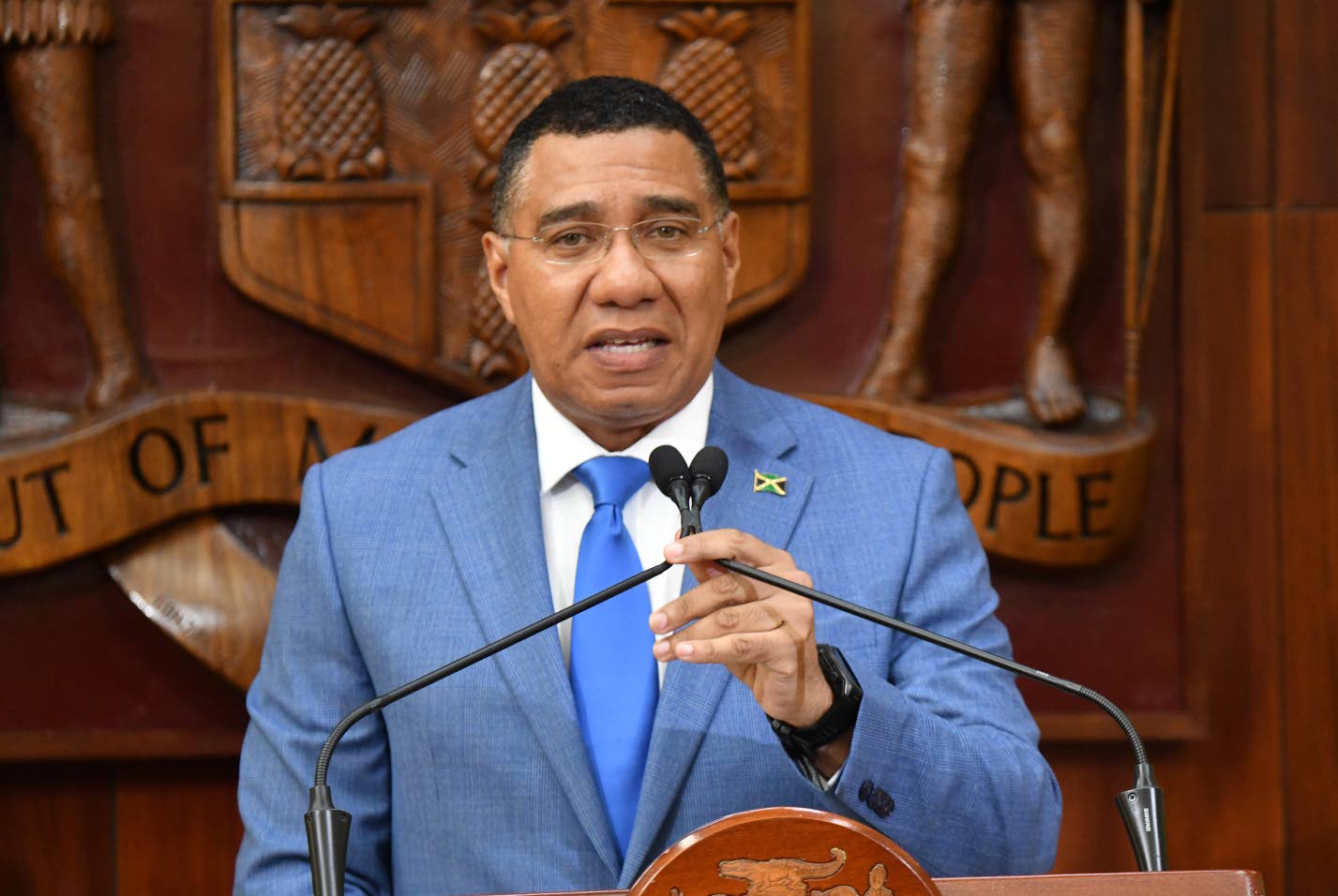
Prime Minister Dr Andrew Holness addressing a special press briefing on Tuesday where he urged Jamaicans living in areas exposed to flooding and other climate threats to take up the Government’s suggestion to relocate. (Photo: Naphtali Junior)
“We have our loved ones [buried] here. I have my aunt, my cousins, so that is why we don’t want to leave. We love Parottee. We live off the sea, the pond, and tourism. We love Parottee and we want to see Parottee get back up and running and no relocation,” Harvey said.
Another resident, Windell Daley, was also rebuilding after the hurricane damaged his property. He said he was considering relocating to another section of Parottee, but remained concerned about leaving the community and the impact of the disaster on his family.
The relocation plan reflects a wider Government push to make rebuilding more resilient to future storms, rather than simply replacing what was damaged. Holness warned that building homes on riverbanks, in river courses or on unstable hillsides could leave families exposed to repeated disasters and increase the cost of recovery.
He said the Government would need to put programmes in place to help people move from unsafe locations, while also communicating more clearly why relocation was being encouraged.
NaRRA’s second priority intervention is the installation of three large community water tanks in priority areas of eastern Westmoreland, where hurricane-related disruption continues to affect water supplies. The authority is to work with the National Water Commission and other relevant agencies to identify suitable locations and ensure the tanks can be filled and maintained reliably.


