



DENIED
Jamaican quartet among 11 athletes blocked from switching allegiance to Turkiye appeal being prepared
A decision by World Athletics to deny 11 athletes, including four Jamaicans, the right to switch allegiance to Turkiye has ignited a debate over fairness, athlete rights, and the future of international athletics.
The four Jamaicans affected are Olympic discus champion Roje Stona, Olympic shot put bronze medallist Rajindra Campbell, Olympic and World Championships long jump silver medallist Wayne Pinnock, and triple jump standout Jaydon Hibbert.
In its ruling, the sport’s Nationality Review Panel found that the applications formed part of a “coordinated recruitment strategy” by the Turkish Government, driven by lucrative contracts aimed at boosting the country’s international competitiveness ahead of the 2028 Olympic Games, this according to a release from World Athletics on Thursday.
At its core, the decision represents one of the most forceful attempts so far by World Athletics to clamp down on what it perceives as the commercialisation of national allegiance.
The governing body argued that approving the transfers would undermine “the integrity of international competition” and the principle that athletes should have a genuine connection to the countries they represent.
However, for athlete representatives and legal experts, the move raises troubling questions about consistency and fairness.
Agent Paul Doyle, who represents Stona, described the decision as “nonsensical”, pointing to numerous instances in which similar switches had been approved.
“Athletes have transferred allegiances for decades,” Doyle said. “When you look at the ones approved, even in the past five years, it makes zero sense that these would be denied.”
His concern reflects a broader unease within the sport, whether the rules are being applied evenly, or selectively enforced in response to the scale and coordination of this particular case and the subsequent unease expressed by the Jamaica Athletics Administrative Association.
A key issue emerging from the ruling is the panel’s decision to assess the 11 applications collectively rather than individually.
Sports attorney Emir Crowne questioned whether this approach compromised the fairness of the process.
“It raises questions as to whether the athletes were unfairly grouped together as opposed to an individualised assessment of each case,” he said.
Beyond procedural fairness, the decision has sparked a deeper argument, whether the ruling constitutes a restraint of trade.
Veteran agent Cubie Seegobin did not mince words, suggesting the matter could ultimately be settled in court.
“I think it’s a restraint of trade,” Seegobin said, adding that governing bodies must adapt to the realities of a modern, globalised sports economy.
Seegobin also questioned the timing of the decision. World Athletics approved stricter transfer of allegiance regulations on March 19, 2026, with the new restrictions taking effect on March 27, 2026. The applications for the Jamaican athletes were submitted well ahead of those dates.
“They should have let this go through and then implement the new ruling moving forward,” Seegobin argued. “This is going to cause confusion and disruption.”
For the athletes themselves, the consequences are immediate and significant.
Many had already committed to the switch, foregoing opportunities to compete for Jamaica in anticipation of representing Turkiye. The denial leaves them in a state of uncertainty, unable to represent their intended new country and disconnected from their previous national programmes.
Doyle confirmed that Stona, in particular, has been deeply affected.
“He’s not happy, obviously, but he understands that it’s a process, and, hopefully we can get through this and it will work out as favourable as possible for him. You know, honestly, the hope was that he would be eligible right away. That’s obviously not going to be the case now, but he’s pretty devastated,” said Doyle.
While athletes can still compete in non-championship events, including road races and club competitions, the pathway to major championships — the Olympics and the World Championships — is now unclear.
Doyle made it clear that preparations are being made to appeal the decision at “the highest level”, though even this process has drawn criticism.
Crowne pointed out that athletes must first request a reconsideration from the same panel that denied them before potentially escalating the matter to the Court of Arbitration for Sport.
“To me, that in itself seems procedurally unfair,” he said. “You have to go back to the same panel and ask them to reconsider before accessing another independent body.”
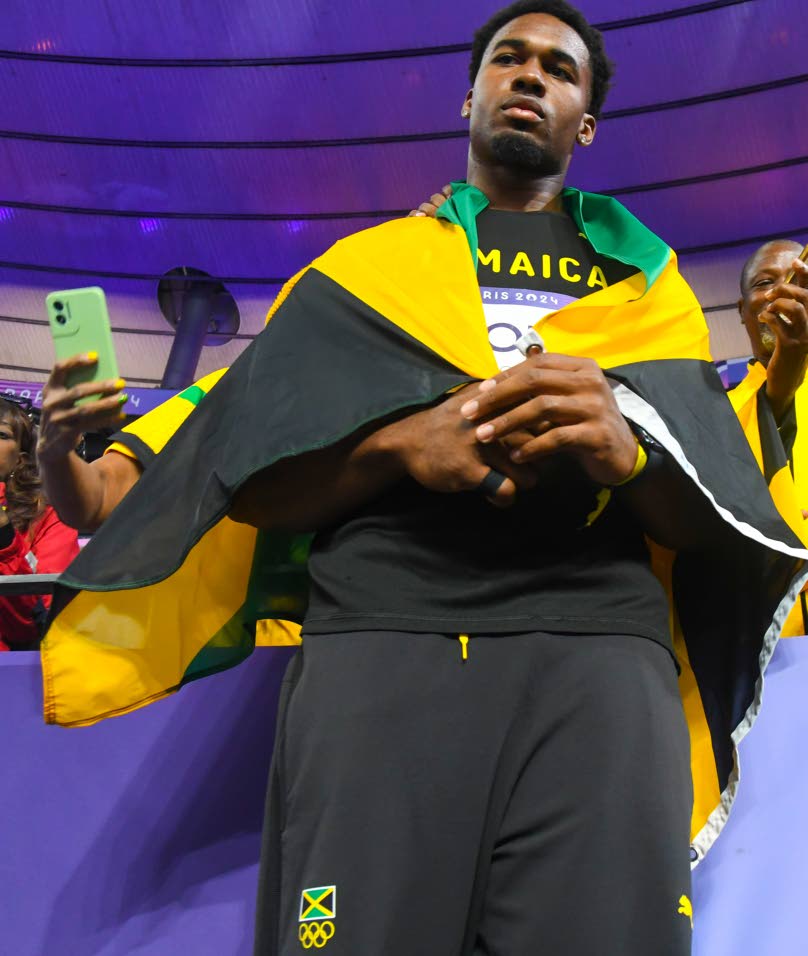
Olympic discus champion Roje Stona
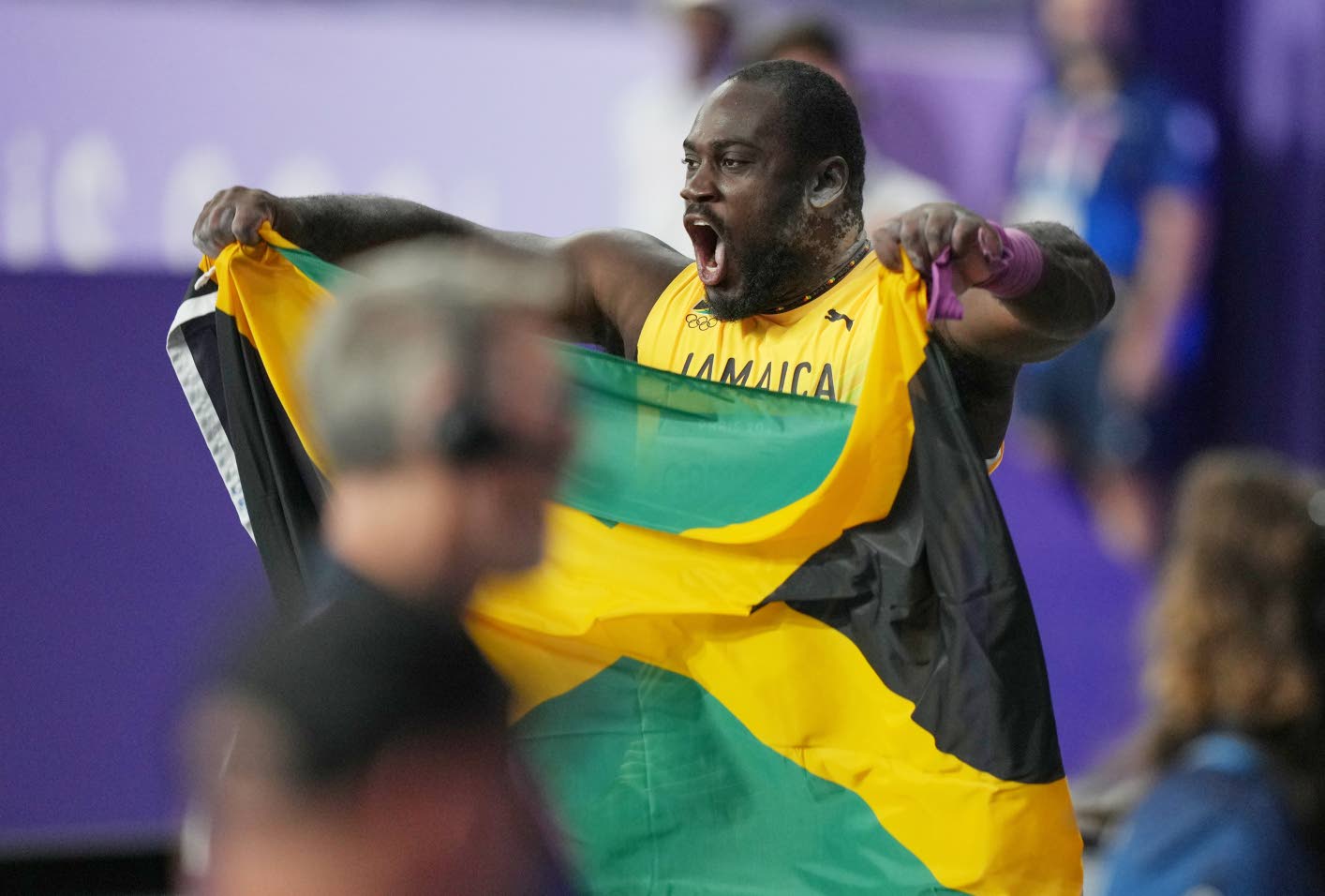
Olympic shot put bronze medallist Rajindra Campbell (Photo: Naphtali Junior)
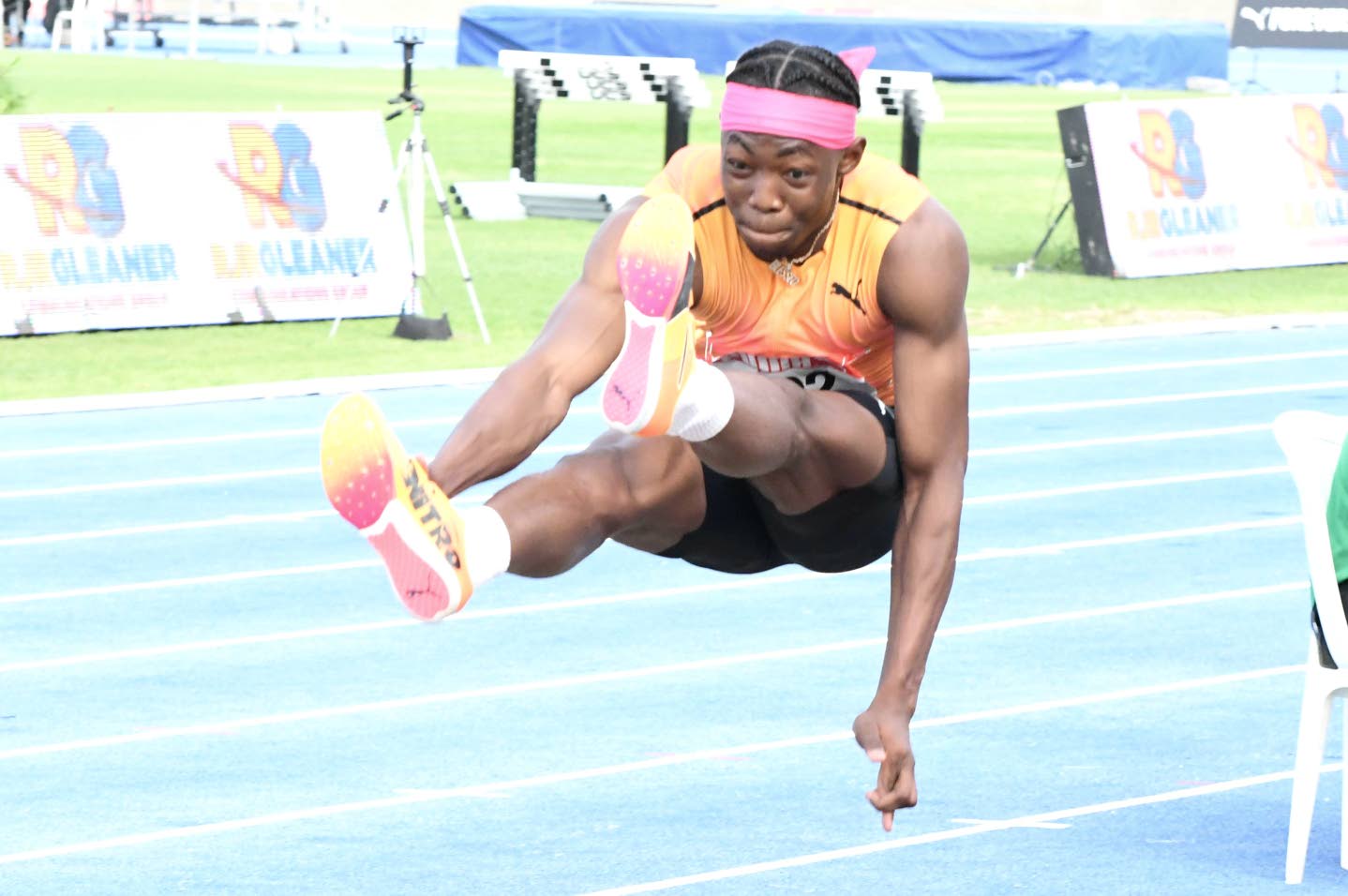
Triple jump standout Jaydon Hibbert (Photo: Naphtali Junior)


