



CB invests $1b in egg, pork expansion
Key Points:
$1-billion expansion: Caribbean Broilers plans more than $1 billion in investments to expand egg and pork production and strengthen food security in Jamaica.
New farms coming: The company will build a 40,000-bird layer farm and a 640-sow breeding facility, with egg production set to begin by September and pork output projected to rise 50 per cent by March 2027.
Bigger long-term push: CB aims to develop 10 to 15 contract growers, add processing and storage facilities, and double the size of Jamaica’s table egg and pork industries over the next 10 years.
CARIBBEAN Broilers Group will invest more than $1 billion to expand egg and pork production in Jamaica as it pushes to rebuild after Hurricane Melissa and strengthen domestic food security.
The investment includes two new, company-owned and -operated facilities in Jamaica over the next 12 months; alongside follow-on investments aimed at developing a wider network of contract growers; and expanding processing, storage and distribution infrastructure.
“In the next 12 months we will invest $1 billion to open two new, company-owned and -operated facilities in Jamaica,” revealed Matthew Lyn, chief executive officer of Caribbean Broilers Group, during Wednesday’s launch at The Food and Drink Kitchen in St Andrew.
CB, which prides itself on its climate-resilient, tunnel-ventilated chicken houses, is now adopting a similar structure for layer farms. The first investment will be a 40,000-bird, tunnel-ventilated, modern layer farm, spanning 50,000 square feet, designed and built to withstand a Category Four hurricane and using what the company calls a colony nesting system that automatically collects eggs without cages.
“It will be the first of its kind in our country,” declared Lyn. “The decisions have been made. The sites have been selected, and the process has already started.”
Its egg production is expected to be operational by September this year. The investment comes less than a year after Hurricane Melissa devastated its farm operations, and it will soon be back in operation.
The second investment is a 640-sow commercial breeding facility — a 40,000-square-foot automated farm where piglets will be raised for eventual processing. The facility will introduce an electronic sow-feeding system, meaning each mother will be managed and regulated by computer, with diet and nutrition tracked and measured automatically each day.
“This farm is inspected to the highest degree of European regulations — the highest in the world — and at the end of it we will produce 15,000 piglets per year,” said Lyn. This will expand CB’s pork production by some 50 per cent starting in March 2027, after having entered the pork business in 1988.
“These are the start of something bigger,” Lyn said, adding that these investments are seeding and developing an integrated network of pork and egg contract growers using 100 per cent tunnel-ventilated modern housing. The 40,000-bird layer farm will serve as a pilot while the 640-sow facility will help feed these contract growers.
Over the next few years the company will be looking to establish relationships with 10 to 15 contract growers to put up approximately 20 buildings, representing another $2.5-billion investment in the Jamaican economy.
As for processing, storage and distribution, these investments will set off a chain of future projects, including a central packing house where eggs will be collected, sorted, cleaned and packed for distribution; a liquid egg bank for the entire industry; and a new pig-processing plant that would more than triple current capacity. The company aims to double the size of both the table egg and pork industries over the next 10 years.
Agriculture Minister Floyd Green said every crisis creates an opportunity to rebuild better and stronger, and in agriculture the country has to take advantage of those opportunities. He used the launch to reveal efforts to facilitate CB and other players in the pork industry.
The Government is spending $443 million to build a modern swine-breeding research and training facility at Bodles in St Catherine, focusing on genetics to ensure high-quality breed stock, and on training to guide farmers to adhere to the highest standards.
Green expressed appreciation for the model CB is pursuing, saying it gives greater opportunity for financing for farmers, with First Global Bank mentioned as a partnering financial institution. PC Bank and the Development Bank of Jamaica are also expected to play a part.
“One of the things that we have to tackle is to ensure that those who seek to pursue and invest in agriculture will be able to get financing. For too long our financial sector has been extremely risk-averse when it comes to agriculture,” said Green.
The hope is that with a structured system such as contract farming reducing structural issues, it will reduce the risk for financial institutions. CB’s latest investment builds on previous major investments including The Nest, a 1,000-acre eco-industrial park in Hill Run, St Catherine. Launched in January 2025 with a $15-billion investment, The Nest has been described as the single-largest agricultural investment in Jamaica and the first of its kind in the Caribbean.
Spanning more than 1,000 acres in Hill Run, it marks a significant milestone towards Jamaica’s self-sufficiency, food security, and Caricom’s goal of reducing extra-regional imports by 25 per cent.
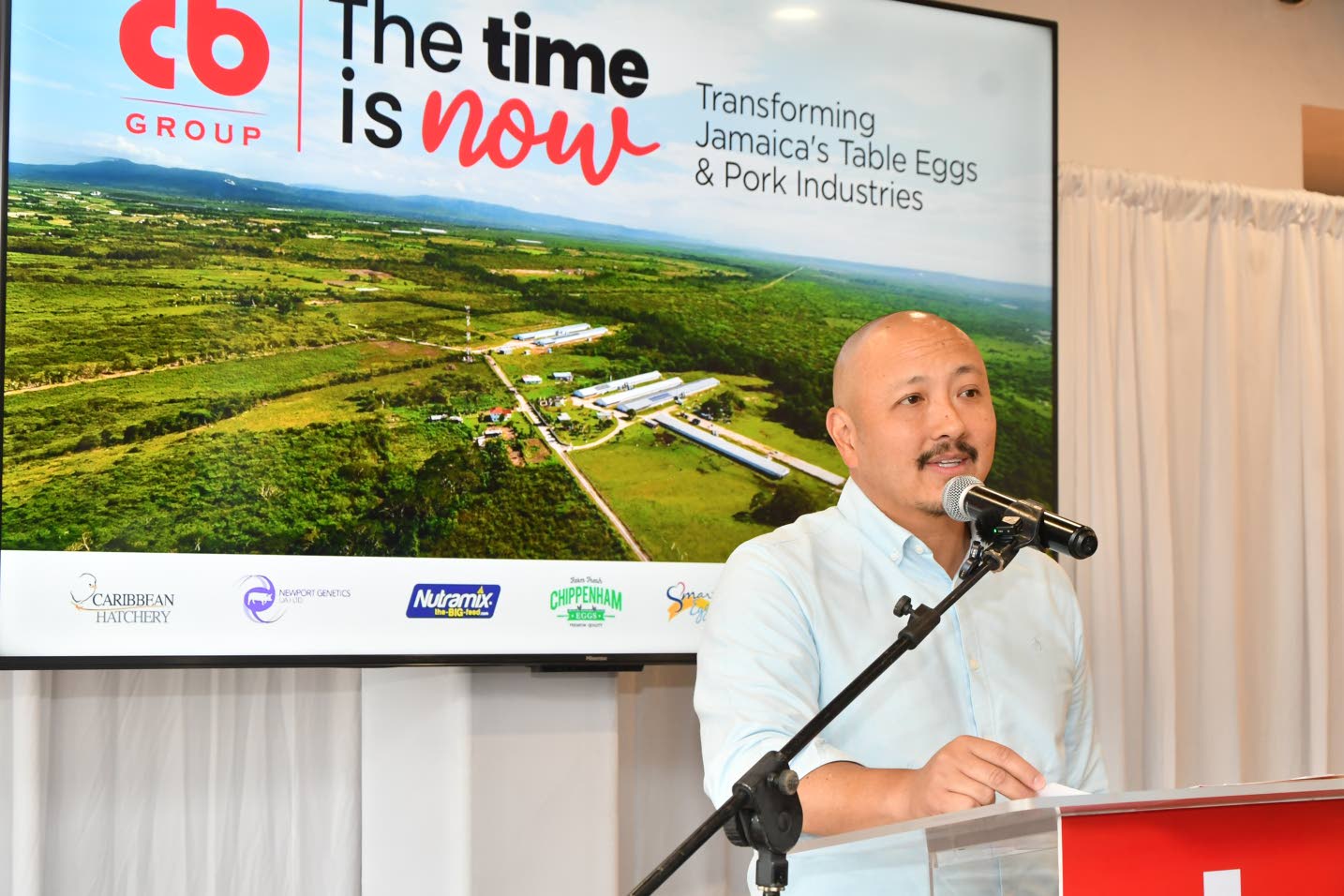
LYN…it will be the first of its kind in our country (Photo: Garfield Robinson)
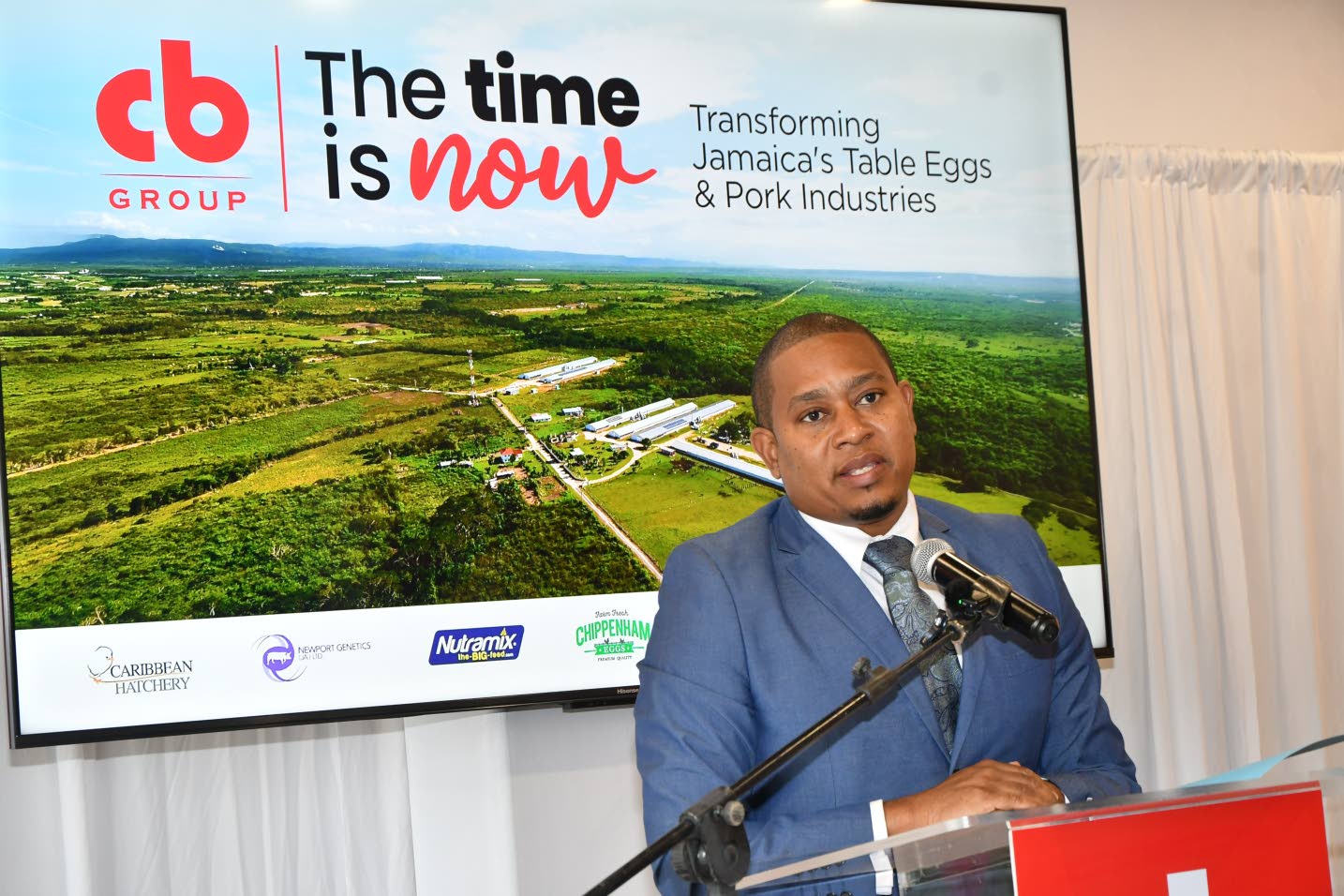
GREEN..we have to…ensure that those who seek to pursue and invest in agriculture will be able to get financing. For too long our financial sector has been extremely risk-averse when it comes to agriculture (Photo: Garfield Robinson)


