



OIL PAIN HITS CONSTRUCTION
Suppliers warn more increases are coming as fuel and import costs climb
PRICES for key building materials in Jamaica have already climbed by as much as 15 per cent in some areas as the Middle East conflict drives up oil prices and squeezes suppliers across the construction sector.
Stakeholders across the sector told the Jamaica Observer this week that while some distributors have so far absorbed part of the increases, consumers should prepare for higher prices in the months ahead if oil prices remain elevated. The pressure mirrors broader inflation concerns as rising fuel costs begin to affect transportation and other consumer prices.
Deanall Barnes, managing director of Atlantic Hardware and Plumbing Company Limited, said escalating oil prices are already driving up freight rates and input costs across the supply chain.
“Undoubtedly, the issues driving global oil price increases have been impacting distributors of building materials locally. It’s not just the direct cost of goods, but also freight. Even where suppliers have contracts with shipping lines, additional charges like fuel surcharges and general rate increases are now being applied,” he noted.
With shipping rates rising across the board in recent weeks, Barnes said this has placed added strain on importers. However, many local distributors, he said, have been absorbing a portion of these increases rather than passing them on fully to consumers.
Using construction plywood as an example, Barnes said prices from Brazil — one of Jamaica’s primary sources — have climbed by roughly 20 per cent. Locally, however, increases have so far been limited to between 7 and 12.5 per cent, he said.
“Distributors have been tempering increases for now, but that can’t continue indefinitely. If oil prices stabilise within the next 90 days, we may avoid major hikes. If they keep rising, then further increases are inevitable,” Barnes added.
In addition to fuel-related costs, the sector is also contending with higher wages and transportation expenses — creating a multi-layered burden for businesses.
Barnes noted that while wage increases are necessary — particularly with the $1,000 rise in the minimum wage set for July 1 — they add to existing cost pressures.
“We’re being hit from multiple sides — higher buying costs, higher transportation costs and increased wages — and that reality is putting pressure on margins across the industry,” he stated.
Sam Millington, chief operating officer at Lydford Mining Company, said rising energy costs pose a significant challenge for quarry operators, where fuel and electricity are central to production.
“From mining to crushing to transportation, every step depends heavily on fuel and electricity,” he explained. “In a limestone operation, energy costs can account for about 25 to 35 per cent of total operating expenses. With fuel prices rising sharply, operators are seeing significant increases in overall costs in an industry where margins are already tight.”
Millington further said that with profit margins in the mining and quarry industry already tight and often ranging from 15 to 25 per cent, this makes it even more difficult for these companies to absorb sustained increases.
Last week, as president of the Mining and Quarrying Association of Jamaica (MQAJ), Millington warned that prices for key materials such as sand, gravel, and limestone are likely to rise. Since the time of that announcement, increases of 3 to 15 per cent, based on location and cost structures, have been seen across the sector.
Cost pressures for the industry come as the mining and quarry sector continues to recover from hurricane damage that reduced output by nearly 38 per cent during the final quarter of 2025. Higher port fees and ongoing global supply chain disruptions have in the last two months further affected competitiveness, particularly as some international buyers shift to lower-cost markets.
Despite the challenges, Millington urged operators as part of their response to focus on efficiency rather than relying solely on price increases.
“We have also encouraged our members to focus on operational efficiency, conservation strategies, and communication with customers as raising prices cannot be the only solution,” he said.
Caribbean Cement Company, the island’s sole cement producer, said it is facing similar pressures as the Middle East conflict contributes to rising fuel and energy costs, as well as procurement challenges. Those challenges have been compounded in recent months by prolonged rainfall, which has affected production and led to cement shortages.
“Like others in the industry, we are also experiencing rising fuel and energy costs. There are also sourcing challenges, as some inputs must now be obtained from alternative markets— which increases costs,” Communications and Social Impact Coordinator Chad Bryan said.
As the company prepares to implement price adjustments Bryan said efforts will be made to keep increases below inflation where possible.
Amid current uncertainties, stakeholders have urged contractors, developers and consumers to plan ahead as cost pressures persist. While efforts are being made to cushion impacts where possible, they all agree that continued increases in oil prices will likely translate into higher construction costs.
“If these geopolitical tensions are not settled soon, which we believe could cause some stabilisation in oil prices, then customers will have to prepare themselves for increases in the cost of all building materials,” Barnes said.
Sam Millington, chief operating officer at Lydford Mining and president of the Mining and Quarrying Association of Jamaica (MQAJ).

BARNES…undoubtedly, the issues driving global oil price increases have been impacting distributors of building materials locally (Photo: Karl Mclarty)
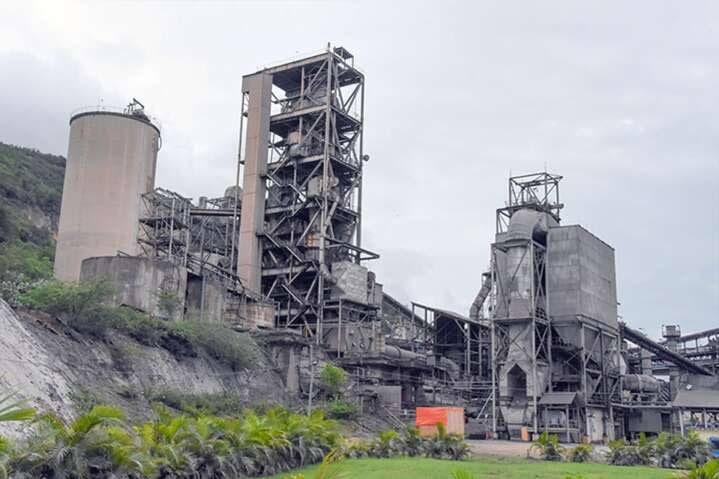
Carib Cement’s Rockfort plant (Photo: Joseph Wellington)


