



Gov’t raises bar for agro-park leases
THE Government’s move to reclaim underutilised agro-park lands is exposing a broader shift in how access to State-supported agricultural acreage is now being assessed.
Prospective leaseholders are now required to prove they have the financial capacity to farm commercially. For years, agro-park lands were leased under looser arrangements that did not require detailed business plans or proof that farmers had the resources to sustain production. But Agriculture Minister Floyd Green said that has changed over the last three years as the Government moves to tighten accountability and improve utilisation rates across the parks.
“In the last few years, they are called upon to provide a detailed plan indicating their time frames and what they plan to plant and what their market is and also to provide some proof that they have the resources to get it done,” Green said in an interview with the Jamaica Observer.
The stricter screening now comes against the backdrop of a wider push to take back lands sitting idle under older lease arrangements. In his sectoral debate presentation earlier this month, Green disclosed that 120 acres were reclaimed last year, while another 280 acres could be repossessed this year if leaseholders fail to put them into production. While agro-park utilisation rates currently average around 70 per cent, the government believes reclaiming inactive lands could push usage levels closer to its target of over 80 per cent. But while the policy shift is being framed around productivity, it is also exposing the financial realities of commercial farming in Jamaica, where rising labour, irrigation and input costs continue to affect farmers’ ability to fully cultivate leased acreage.
CEO of the Agro-Invest Corporation (AIC) Vivion Scully pointed to financial constraints alongside weather disruptions, migration, and labour shortages as reasons for underutilisation within the agro-parks. At the same time, the economics behind agro-park farming can present a significant barrier for some investors.
Information published by the AIC shows that estimated development costs for five-acre plots can range from roughly $3.7 million to $8 million, depending on the crop type. The agency’s website also provides financial profiles for various crops, including projected revenues, return on investment and estimated cash flow projections to allow potential investors to be fully aware and prepared before they invest. Green argued, however, that the Government is now taking a closer look at lease arrangements where large portions of land have remained inactive for extended periods and that in many cases underutilisation cannot simply be blamed on broader structural issues.
“The reason for lack of utilisation is not as fundamental,” he told the Business Observer. “Especially if the person had already agreed prior to that, this would be the utilisation.”
In illustrating the issue, the minister cited examples where individuals held large parcels of agricultural land for years without significantly expanding production.
“If one has had the land for 10 years with 20 acres and, based on historical records, that person hasn’t done more than two acres, we’re not necessarily going to ask, ‘Why haven’t you done the other 18?’ because you have a responsibility to do so,” Green said. “If you are unable to get the land utilised, then it’s either you come back to us and reduce the amount that you have, or you give back the land so we can find people who are able to get the land utilised.”
The tighter screening process has also been paired with efforts to widen access to younger agricultural investors by lowering some of the financial thresholds required and providing support for land preparation. According to Green, those interventions have already contributed to improved utilisation levels and increased youth participation in recent land allocations.
“When the land is not being used, it doesn’t help anybody. So the Government has to look at how it gets that land in use,” Green said.
Still, he acknowledged that some older agro-parks continue to face infrastructure limitations, particularly limited irrigation access in areas such as Ebony Park. In those cases, the Agriculture Ministry and the AIC take a more flexible approach when assessing utilisation levels until rehabilitation works are completed. While the AIC does not directly provide loan financing for farmers who might be facing financial constraints either to access or maintain productivity in the agro-parks, the corporation works closely with several financing partners and government programmes to facilitate access to financing, grants, technical support and investment opportunities for qualifying farmers and agribusiness operators.
“It is important to note that Agro-Invest actively monitors utilisation levels across the agro parks and engages tenants whose lands are consistently inactive or not being productively used. The Corporation’s objective is to improve overall utilisation and productivity levels across the parks over time,” Scully noted.
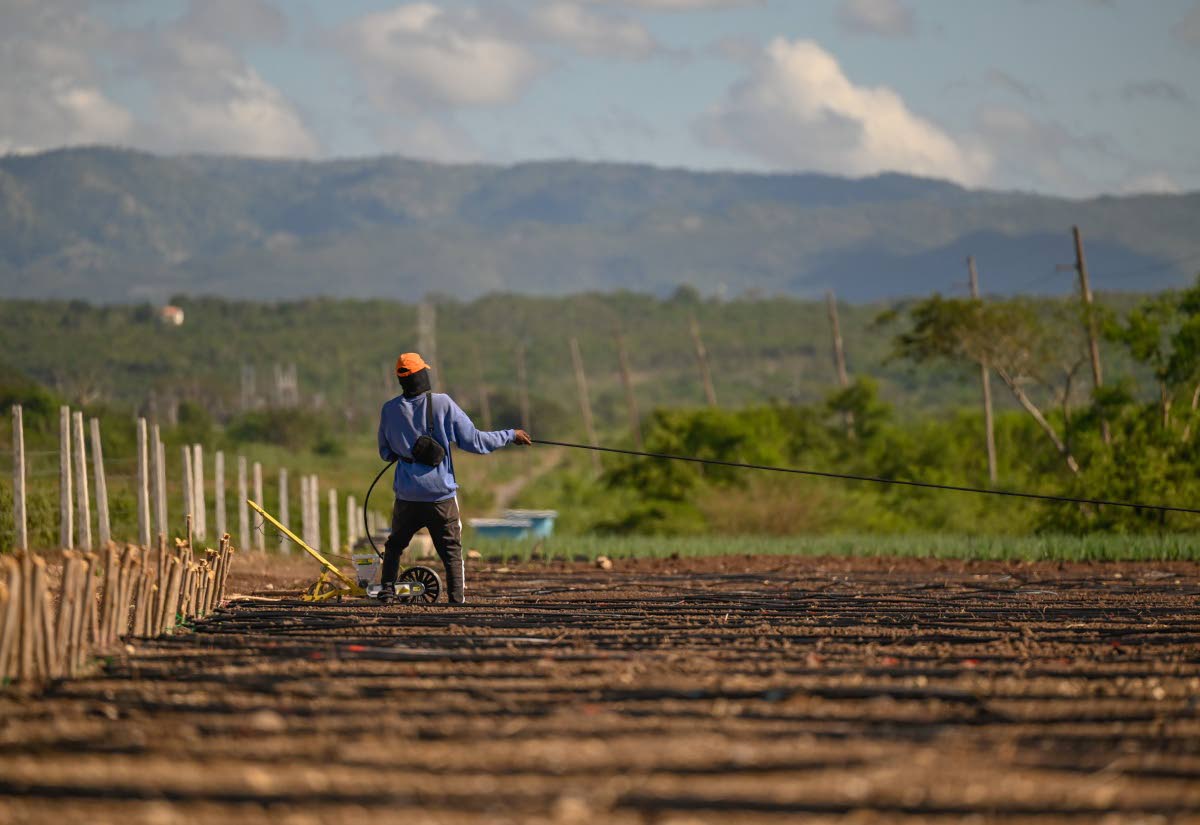
Amity Hall/Bridge Pen Agro-ParkJIS
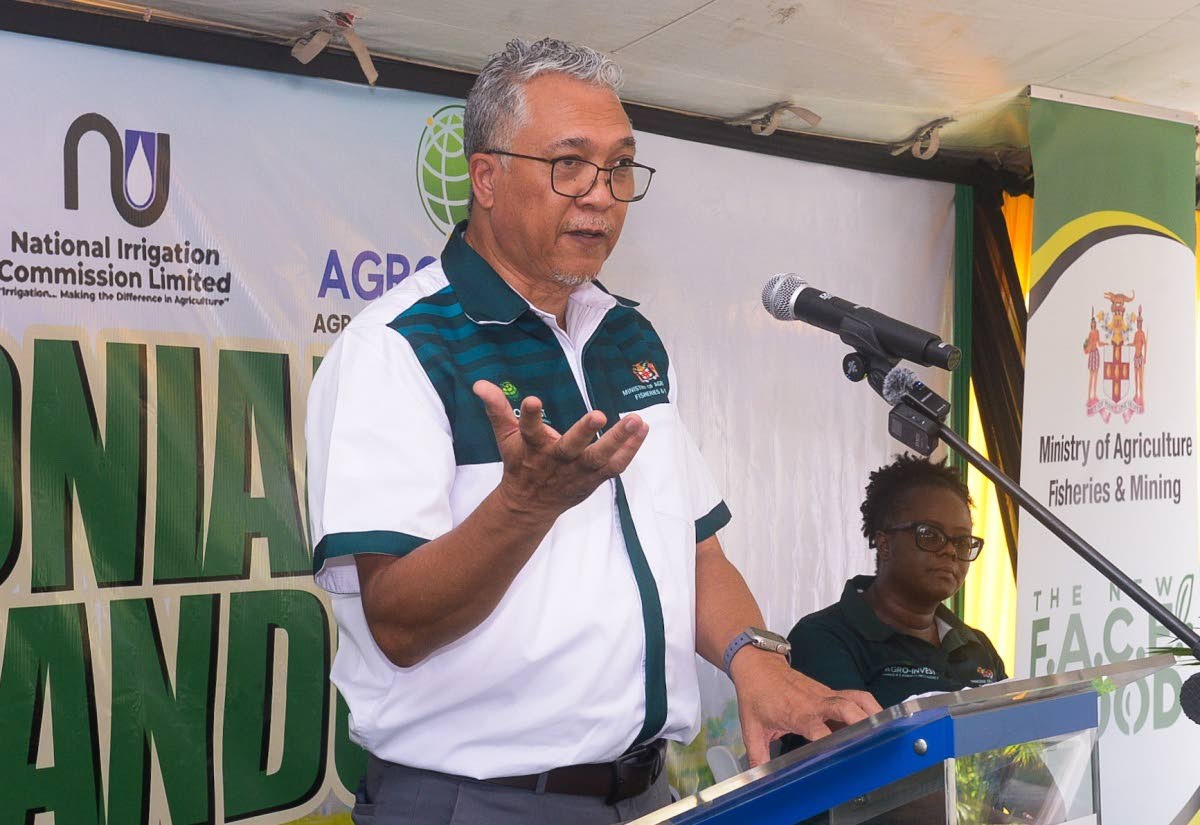
Vivion Scully says rising production costs and operational challenges continue to affect utilisation levels across Jamaica’s agro parks.


