



There has to be another way
I arrived back on the island on Tuesday, still reflecting on the time I had just spent in Florida with my mother. She celebrated her birthday on May 10, and it was important for me to be there with her, especially during the Mother’s Day period.
While overseas, I also reflected on the important role women play in our society after seeing the circulating video clip of the fatal police shooting of a woman in St James. Like many Jamaicans, I was deeply disturbed by what I saw. But after serving 42 years in the Jamaica Constabulary Force (JCF), I have learnt one important lesson: Never rush to judgment without all the facts.
I know emotions are high because a woman lost her life. Any loss of life involving the police should concern all of us, and it demands sensitivity, professionalism, and accountability. At the same time, I do not believe we should immediately condemn police officers before investigations are completed.
I see my friends in
WhatsApp groups quickly declaring the officers “murderers” without knowing the circumstances that led to the shooting. I understand the frustration many Jamaicans feel towards the police, but justice cannot be based on emotions alone. Due process still matters.
At the same time, I fully understand the realities of policing in Jamaica because I lived it for over four decades. My former colleagues know this is a country that has been losing more than 1,200 citizens annually to murder for much of the last 15 to 20 years. We are also dealing with an overly indisciplined society in which many people refuse to follow lawful instructions from the police.
I know what it feels like to approach people in tense situations not knowing whether you will safely return home to your family. I know what it feels like to have citizens aggressively confront officers, even armed officers in uniform. These are the pressures faced daily by front-line police personnel.
But I also know this: Police officers are trained to handle difficult situations professionally. We are trained in conflict management, tactical response, de-escalation, and the appropriate use of force. Lethal force is supposed to be the last resort, not the first option.
I do not know all the facts surrounding this incident in St James. I do not know exactly what the officers encountered or what level of threat they believed existed at that moment. That is why I believe the investigations must proceed without emotional hysteria or trial by social media.
However, after the investigations are completed, if criminal charges are to be laid against any police officer, then those matters should be dealt with before the courts with urgency and fairness. But accountability must not end there. If there were breaches of departmental discipline or operational failures, then those responsible must also be held accountable internally within the JCF, and the public needs to be told.
Important questions must be answered. Was there sufficient supervision during the operation? Were standard operational procedures followed? Was proper care and attention given to the injured person after the incident?
The JCF must understand that the public needs reassurance that the rules governing police conduct are being enforced fairly and consistently. Transparency and accountability are essential if the Force hopes to rebuild trust and improve public confidence.
One thing I know for certain is that if the officers involved had been equipped with body-worn cameras, the country would likely have a much clearer understanding of exactly what transpired. This is why I continue to strongly advocate for the widespread implementation of body cameras across the JCF, particularly for officers operating in critical incidents, protests, traffic operations, and public order duties.
Body cameras are not just about monitoring citizens, they also protect police officers from unfair assumptions and incomplete narratives and can provide critical context, transparency, and accountability. They assist investigators, the courts, and the public in arriving at more balanced conclusions.
Right now, public confidence in the police is fragile. Whether fair or unfair, a trust gap exists, and rebuilding public confidence must become a major priority for the Force.
Professionalism in policing must be strengthened at every level. Divisional commanders should engage the public more frequently through press briefings, town hall meetings, and community forums. Citizens need opportunities to ask questions, voice concerns, and better understand the challenges officers face. We police by consent, and if the relationship between the police and the people deteriorates, policing itself becomes even more difficult.
There must also be renewed emphasis on training, supervision, mentorship, and leadership within the force. I am not entirely convinced that some younger officers are receiving the same level of preparation and guidance that many of us benefited from years ago. Experienced senior officers once taught us not only how to enforce the law, but how to exercise restraint, communicate effectively, and remain calm under pressure.
Over the years, I developed a mantra that guided my approach to policing: If, in an honest, genuine, and consistent way, you influence the attitudes of people, you will change their behaviour. That philosophy worked for me in every division I served and remains true today.
We also need to rethink our overall philosophy towards crime and policing. We cannot continue approaching every situation as though the objective is simply to “fight crime”. We must learn to manage crime more intelligently and professionally.
The language officers use matters. Their tone matters. Their attitude matters. Respect and professionalism can often defuse situations before they escalate into confrontation.
Sensitivity matters, too, especially in situations in which women are involved. Regardless of the outcome of this investigation, a woman is dead, and that reality alone should remind all of us of the seriousness of this matter.
I continue to support the hard-working men and women of the Jamaica Constabulary Force because I know the difficult conditions under which many of them operate. But support for the police and accountability for the police must coexist. One does not cancel out the other.
We have a commissioner of police who, unlike some of his predecessors, was trained and prepared for the job. He also benefited from the guidance of one of the best commissioners many of us served under — a leader who knew how to make difficult decisions, move people from positions they were not suited for, and motivate commanders on the ground while providing the support they needed.
Leadership at every level of the force must now be prepared to make difficult decisions, strengthen standards, improve training, and restore public confidence. Because if we are being honest with ourselves, things are not looking good right now.
We have to do better, my former colleagues. Jamaica deserves better from all of us.
Steve O McGregor is a retired senior superintendent of police.
Steve McGregor (Photo:Karl Mclarty)
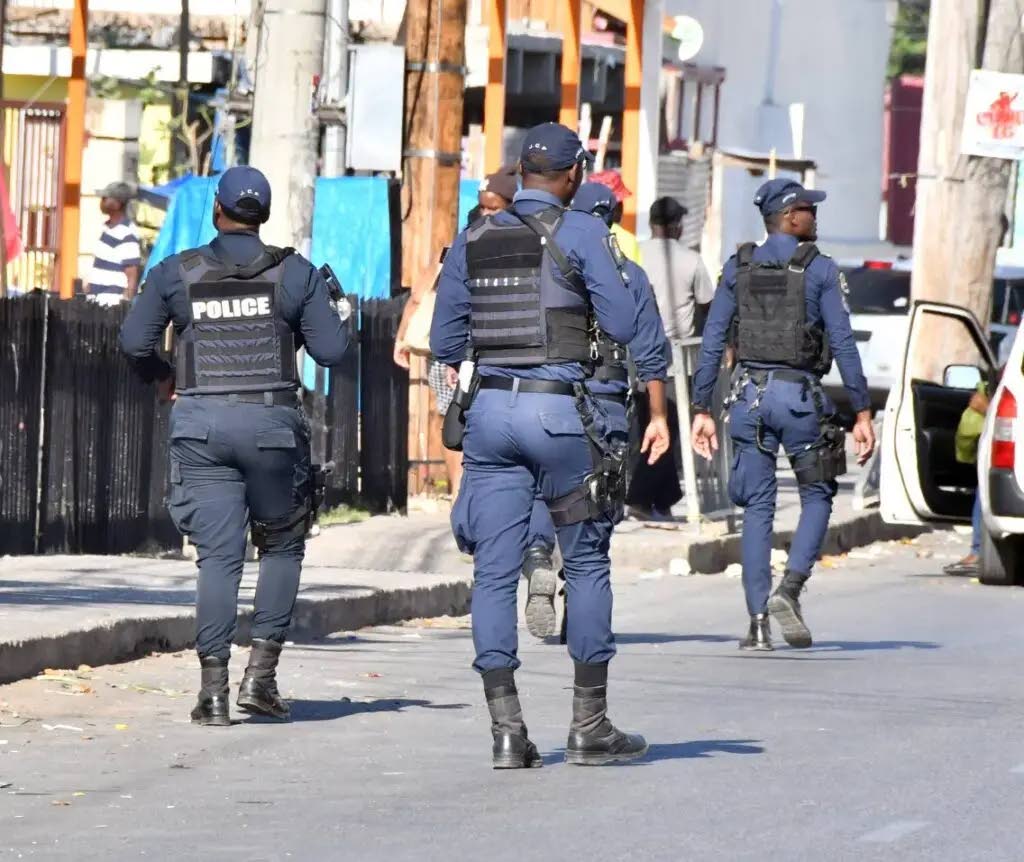
Professionalism in policing must be strengthened at every level.


