



Designing ‘The Hive’
IT came as no surprise when architect Isiaa Madden rose to the challenge of designing ‘The Hive’, a $700-million complex in Montego Bay which is expected to transform the way Jamaica approaches sports. It’s not just what happens on the field of play anymore but how to build and serve an entire community.
“I genuinely enjoyed working on The Hive because it was different from many of the projects I typically undertake. It presented a unique and exciting challenge that pushed us creatively and technically as designers. It is always rewarding to work on projects that have the potential to positively impact an entire community — and I believe The Hive will become a transformative development for Montego Bay and western Jamaica as a whole,” Madden told the Jamaica Observer’s Real Estate on The Rock.
Already known for her impressive body of work on major projects, including the four 28-storey towers of The Pinnacle at Reading, Madden and her team at Design HQ Ltd flawlessly executed the brief to create the Montego Bay Sports Complex — The Hive’s formal name. By harnessing the vision of chairman of Montego Bay Multi Sports Development Limited, Yoni Epstein, Design HQ has effectively given sports an address — a home. As Madden noted, it is “a destination”.
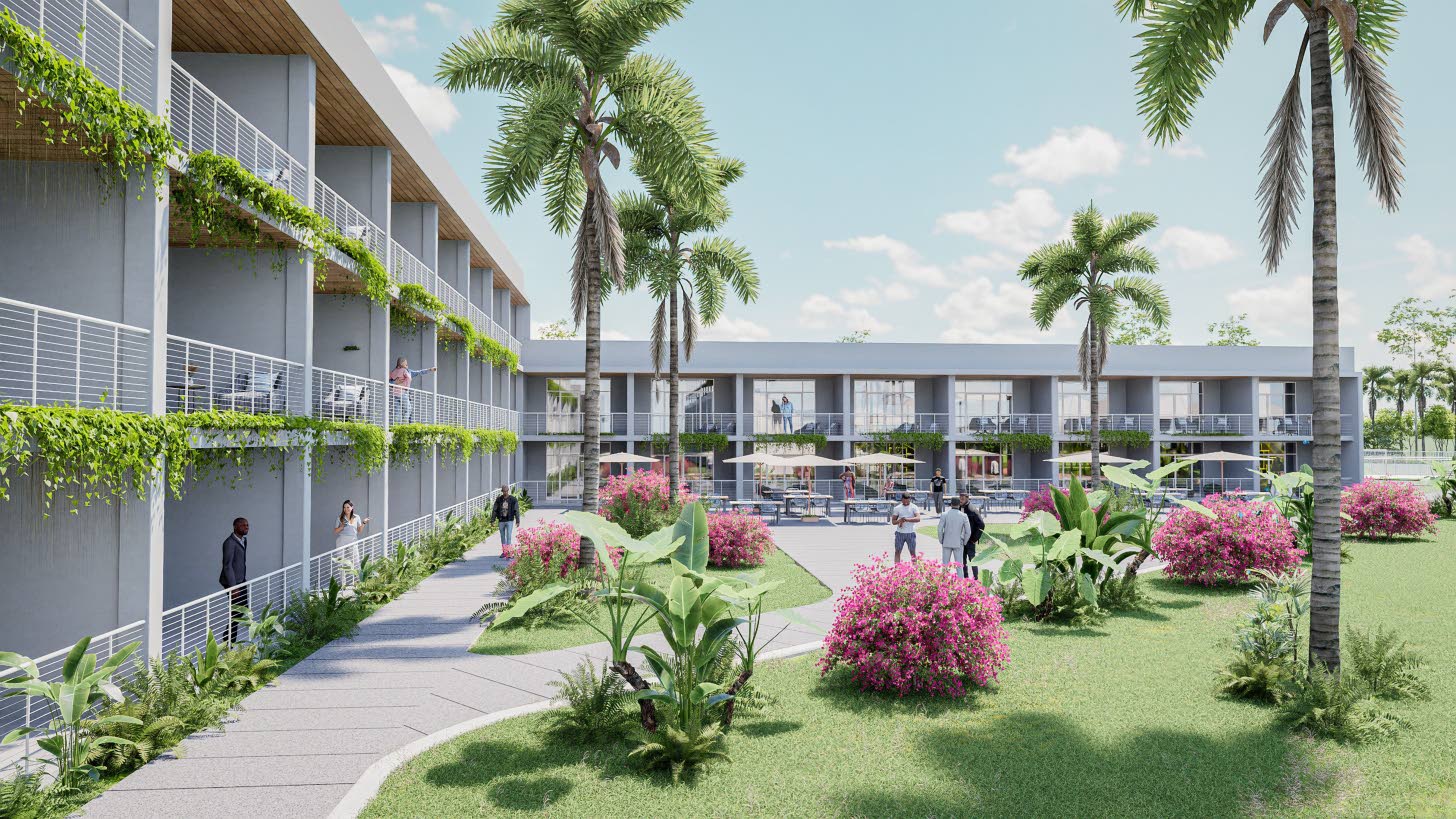
The Hive’s 40-room dormitory is designed to accommodate visiting teams for away matches, international teams and sporting delegations, athletes attending tournaments and training camps, team dining, meetings, and social interaction in a shared common area.
“One of the most unique aspects of The Hive is its integrated approach to sports and athlete development. The facility is being designed to attract international sporting events and training camps by providing everything athletes need in one location,” she explained.
Its sleek design evokes memories of Design HQ’s luxurious residential projects and practical commercial builds. For those who play or watch sports, The Hive is ripe with opportunity — and the attention to detail is impressive. Masterful touches include a main entrance that provides a modern first impression of the stadium while providing safe and efficient access.
The layout also addresses a pain point often experienced at many venues across Jamaica — inadequate parking. And it even includes a family friendly go-kart track. Read on as Madden takes us on her journey of designing The Hive.
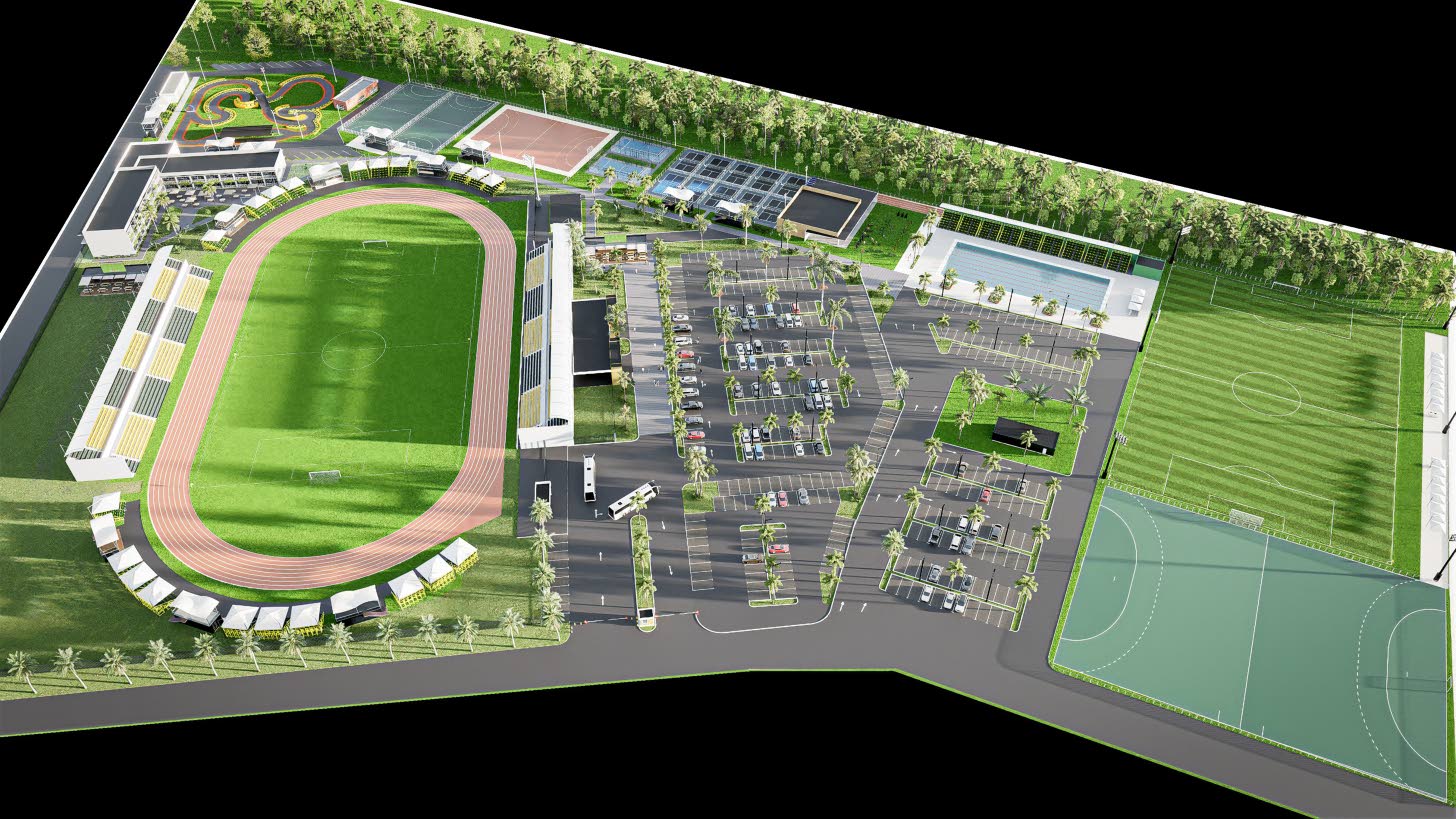
Architectural render that provides an aerial view of The Hive, a $700-million complex in Montego Bay which is expected to transform the way Jamaica approaches sports.
What was the brief given to you by the client?
Isiaa Madden (IM): Several months ago, Yoni and I met to discuss his vision for the stadium. At present, the facility is primarily recognised as a premier football venue but he wanted to diversify its offerings and transform it into a multi-sport destination that could serve a wider cross section of the community. One of the key objectives was to introduce additional smaller pitches for training sessions, youth development, and six-a-side recreational games.
As a sportsman himself, Yoni also recognised the lack of an Olympic-size swimming pool in Montego Bay. Currently, many swimming clubs rely on open-water locations such as Doctor’s Cave Beach for training, so this was an important addition to the vision. He also wanted to incorporate sporting activities that are rapidly growing in popularity across Jamaica, including pickleball and padel.
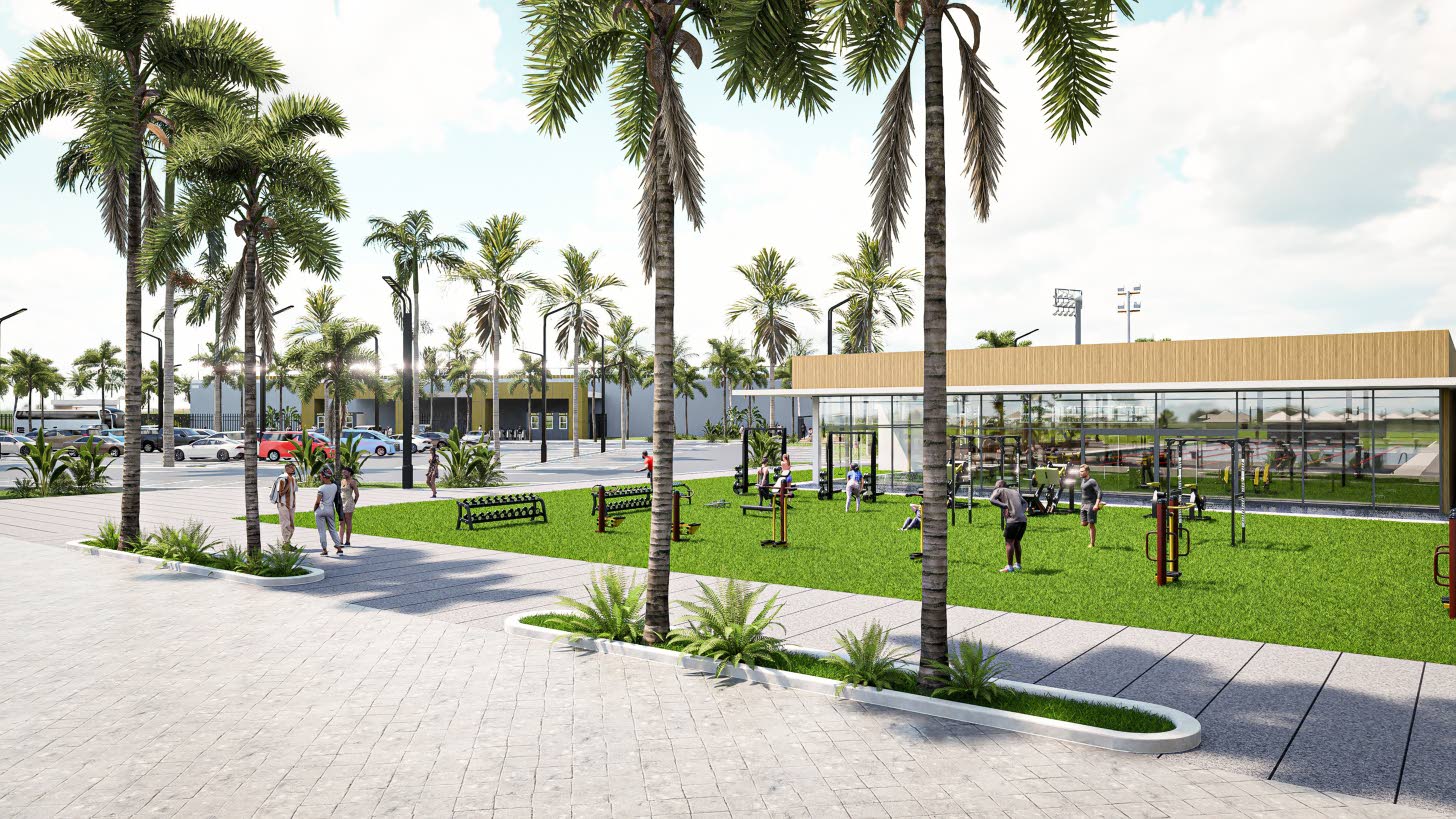
The gym facility at The Hive is designed to provide quick, efficient training options for athletes and staff; strength, conditioning, and recovery equipment in one space; support for pre- and post-competition workouts; flexible use for teams during training camps and events; along with high-performance fitness access within the stadium.
My role was to take all of these ideas and create a comprehensive master plan that could successfully integrate the various facilities into one cohesive development. Fortunately, the stadium property provided sufficient space to accommodate the full vision, with careful planning and design coordination.
Is there anything you would have loved to see incorporated in the design but it was not possible?
IM: Fortunately, the property provided enough space for us to successfully incorporate most of the ideas we envisioned for the development. The project even includes recreational features such as a go-kart track for children and families. If there is one thing I would always advocate for, it would probably be additional parking. No matter how much parking you design for a stadium or entertainment venue, it somehow never feels like enough once a major event begins. Fortunately, we were able to accommodate a substantial amount of parking within the development, but I think every architect eventually learns that parking demand always finds a way to exceed expectations.
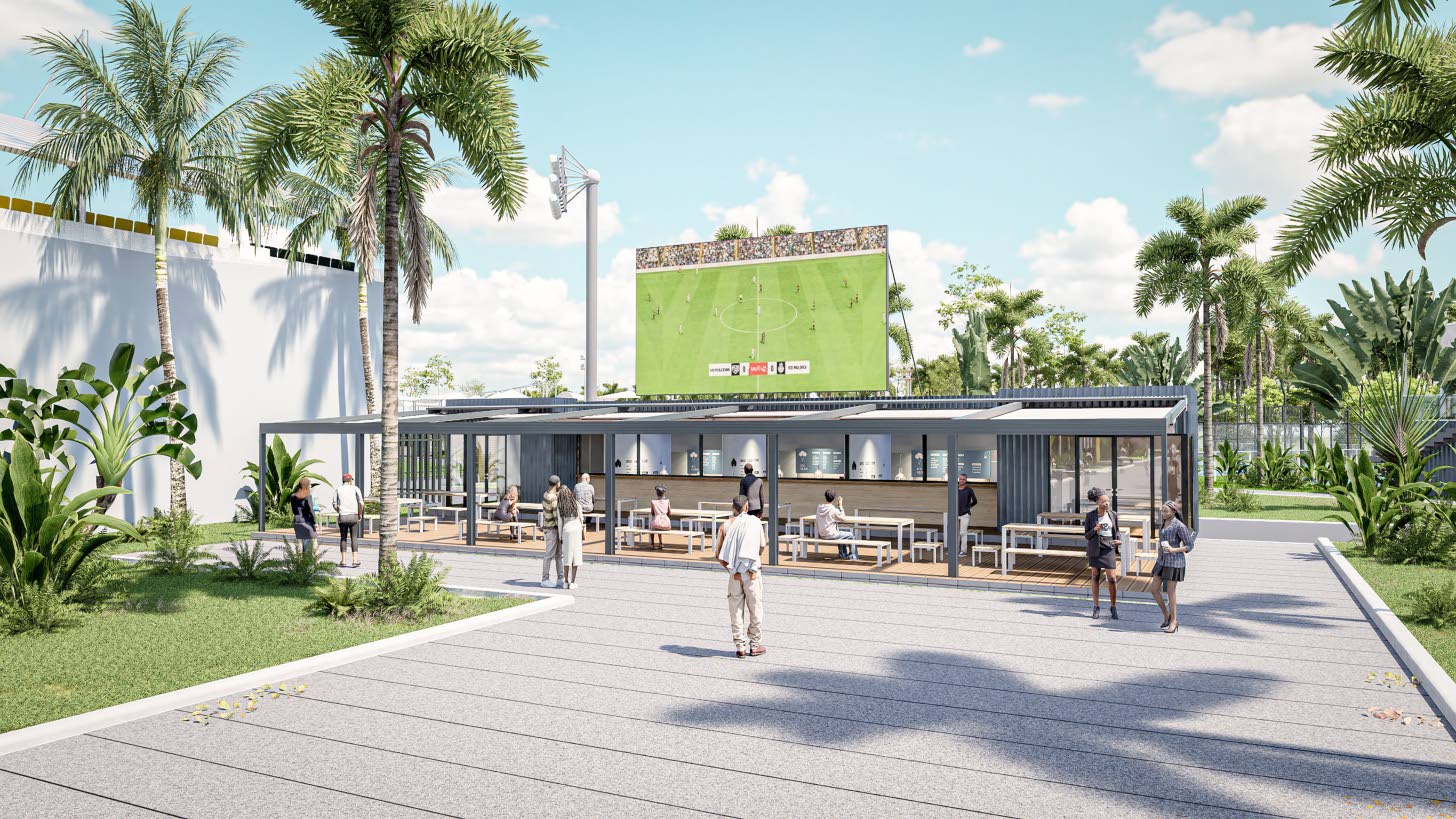
The food and beverage areas within The Hive are designed to provide convenient dining and refreshment options for patrons and athletes, comfortable social spaces during events and matches, earning opportunities for local vendors and concession operators; along with efficient food service to support large crowds.
Describe The Hive from an architectural point of view.
IM: From an architectural perspective, The Hive represents a modern and ambitious approach to sports infrastructure in Jamaica. As architects operating in today’s global environment we must remain competitive not only in functionality but also in aesthetics. It was important for us to elevate the project to an international standard so that users would feel both comfortable and inspired by the environment.
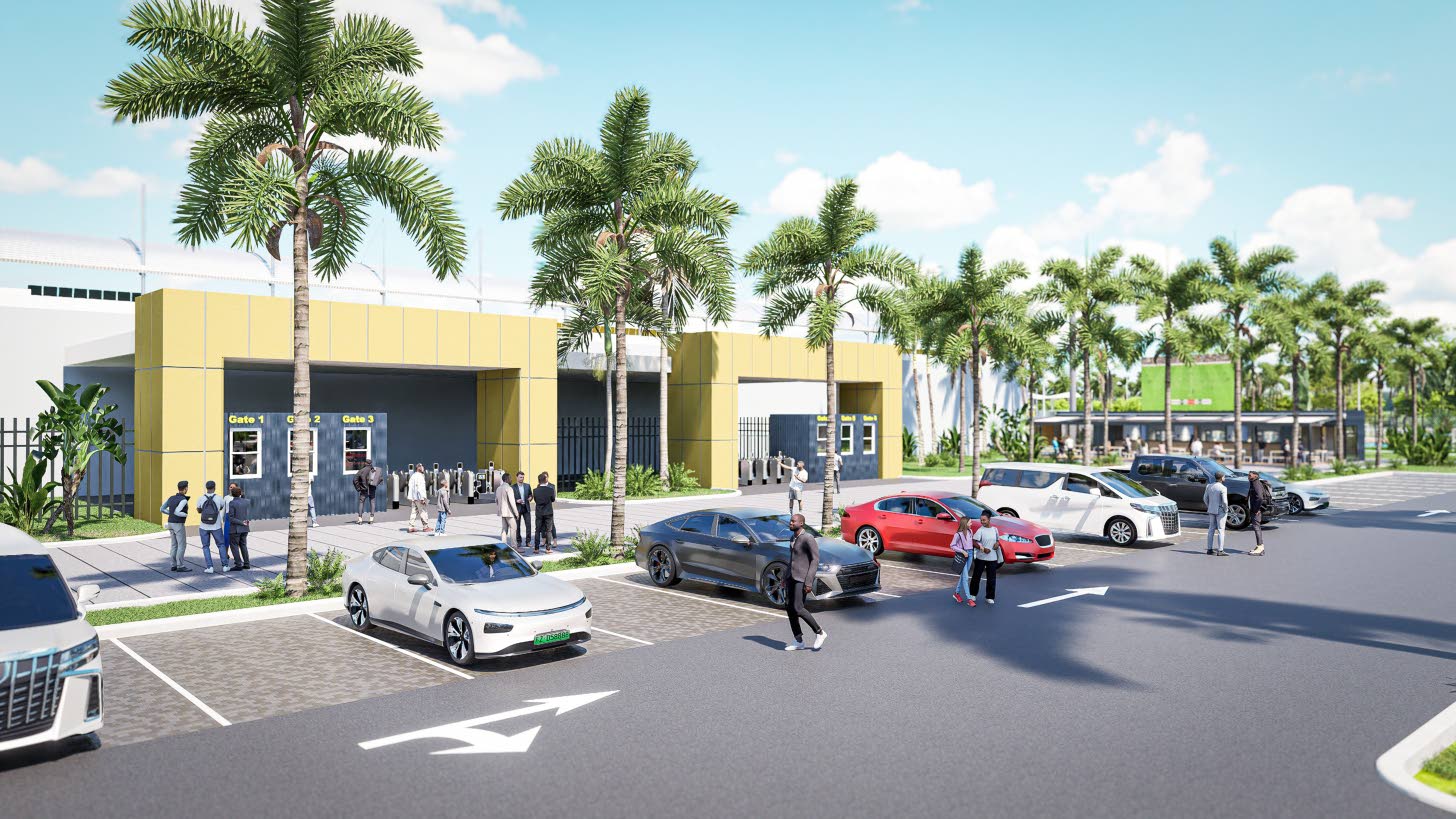
The Hive’s main entrance is designed to provide safe and efficient access for patrons and athletes, controlled entry for events and match days, a welcoming arrival point for visitors and teams, improved crowd flow and stadium accessibility, and a modern first impression of the stadium complex.
I spent considerable time researching renowned stadiums and sports complexes around the world in order to incorporate contemporary ideas and design principles that would elevate the overall experience. The architecture aims to create a destination that feels modern, dynamic, and world-class while still remaining accessible to the local community.
Ultimately, high-quality architecture has the ability to attract visitors not only from across Jamaica but also internationally — and that was an important part of the vision behind The Hive.
What are some of the more unusual or unique aspects of the project?

IM: One of the most unique aspects of The Hive is its integrated approach to sports and athlete development. The facility is being designed to attract international sporting events and training camps by providing everything athletes need in one location. The complex will include lodging accommodations for visiting teams, allowing them to stay on site, train on site, and compete on site without having to travel between facilities. This level of integration is not commonly seen in Jamaica and positions The Hive as a truly modern sports destination.
The project will also feature hydrotherapy and recovery facilities, including saunas and hotbox services, giving athletes access to wellness and rehabilitation amenities that are essential in professional sports environments.
Additionally, The Hive is expected to include the largest pickleball centre in western Jamaica, helping to support the growth of emerging sports within the region.
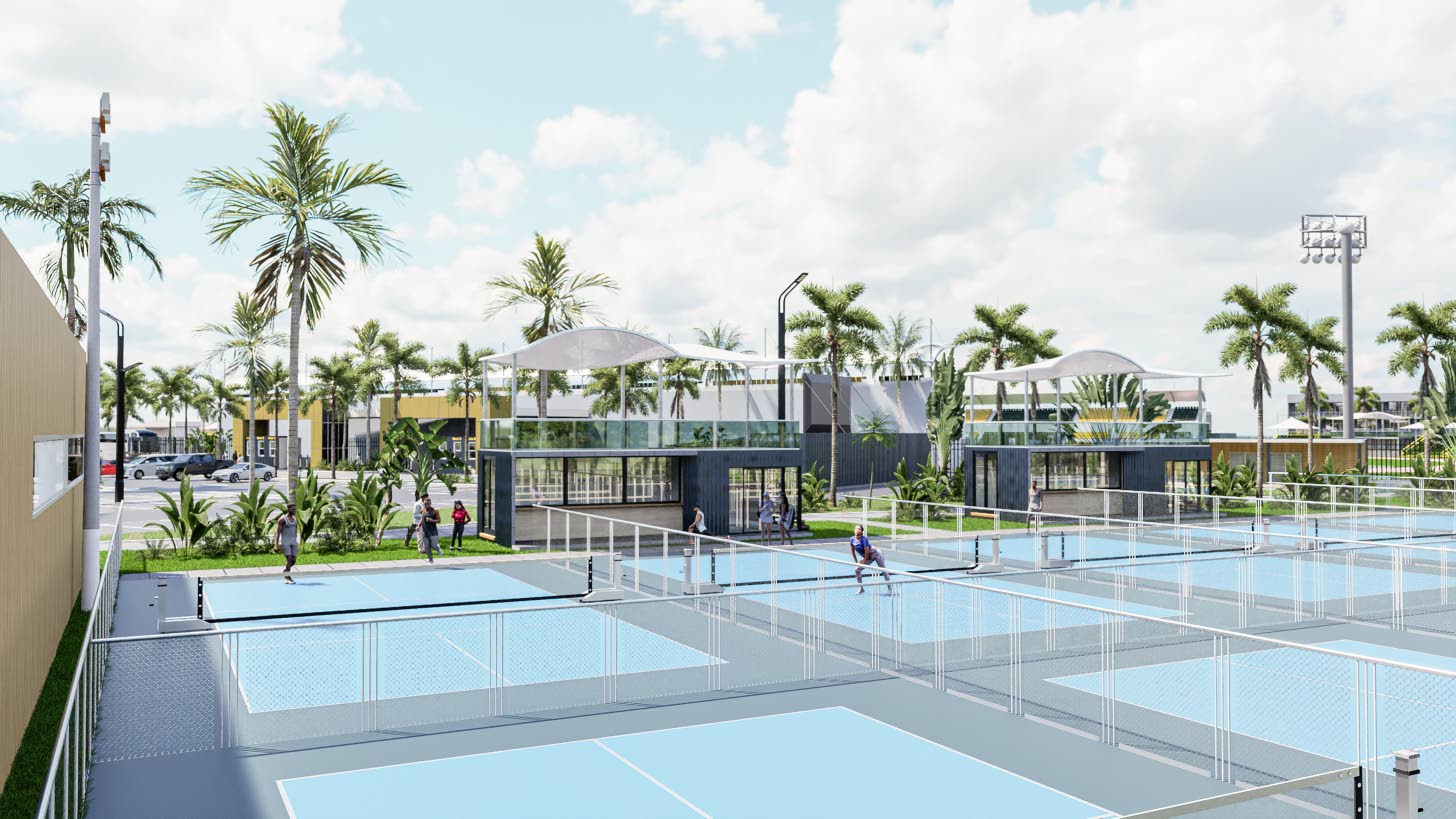
The Hive’s pickleball area is designed to provide high-quality indoor and outdoor courts for recreational and competitive play; flexible spaces for training sessions, tournaments, and community events; a social and active environment for athletes, visitors, and families; as well as convenient access to food and beverage areas for dining, relaxation, and spectator enjoyment.
What is your favourite thing about The Hive and why?
IM: My favourite aspect of The Hive is the way it brings together so many different sporting disciplines into one unified space. Sports naturally foster community, togetherness, and social interaction, so having a development like this available in Montego Bay has the potential to create a strong positive impact on the wider community.
It is more than just a sports complex; it is a social and recreational hub where people of all ages and interests can gather, compete, train, and connect.


