



Evolution ICF builds through results
NEARLY six years after quietly setting up shop in Jamaica, Evolution ICF Group has completed more than 45 projects across 11 parishes, betting that real-world results, not marketing, will convince developers and homeowners to rethink how houses are built.
The construction company, together with its sister company E-Z Block Manufacturing Jamaica Limited, is introducing an insulated concrete form (ICF) building system that it says can build homes up to five times faster than traditional construction methods while keeping interiors 15 to 17 degrees cooler without air conditioning.
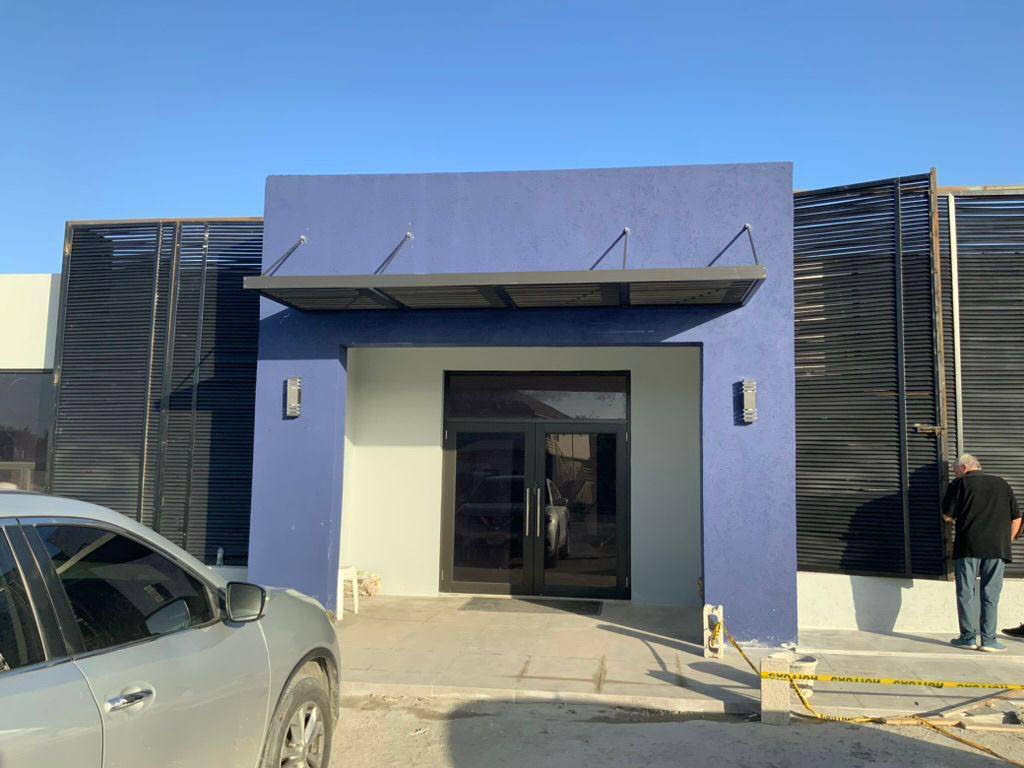
Foyer addition at the WAFIF Church in Spanish Town, St Catherine, constructed using the company’s ICF system..
“We didn’t want to come in with a large marketing and advertising campaign. We wanted to make sure we could manufacture the block first,” co-founder and Managing Director Dale Merrill told the
Jamaica Observer in an interview.
Evolution ICF Group is the construction arm of E-Z Block Manufacturing Jamaica Limited, which produces the insulated concrete blocks used in the building system. Working with his business partner Jerrold Johnson, Merrill spent several years evaluating different options before deciding to bring the technology to Jamaica. The building system itself was developed in Utah, nearly 30 years ago. Merrill and Johnson purchased the manufacturing equipment and licensing, initially assembling the factory in Canada to test the production process before dismantling it and shipping it to Jamaica in 2021. However, introducing the product was only part of the challenge. To ensure the building system was installed correctly, the company established Evolution ICF as its construction arm.
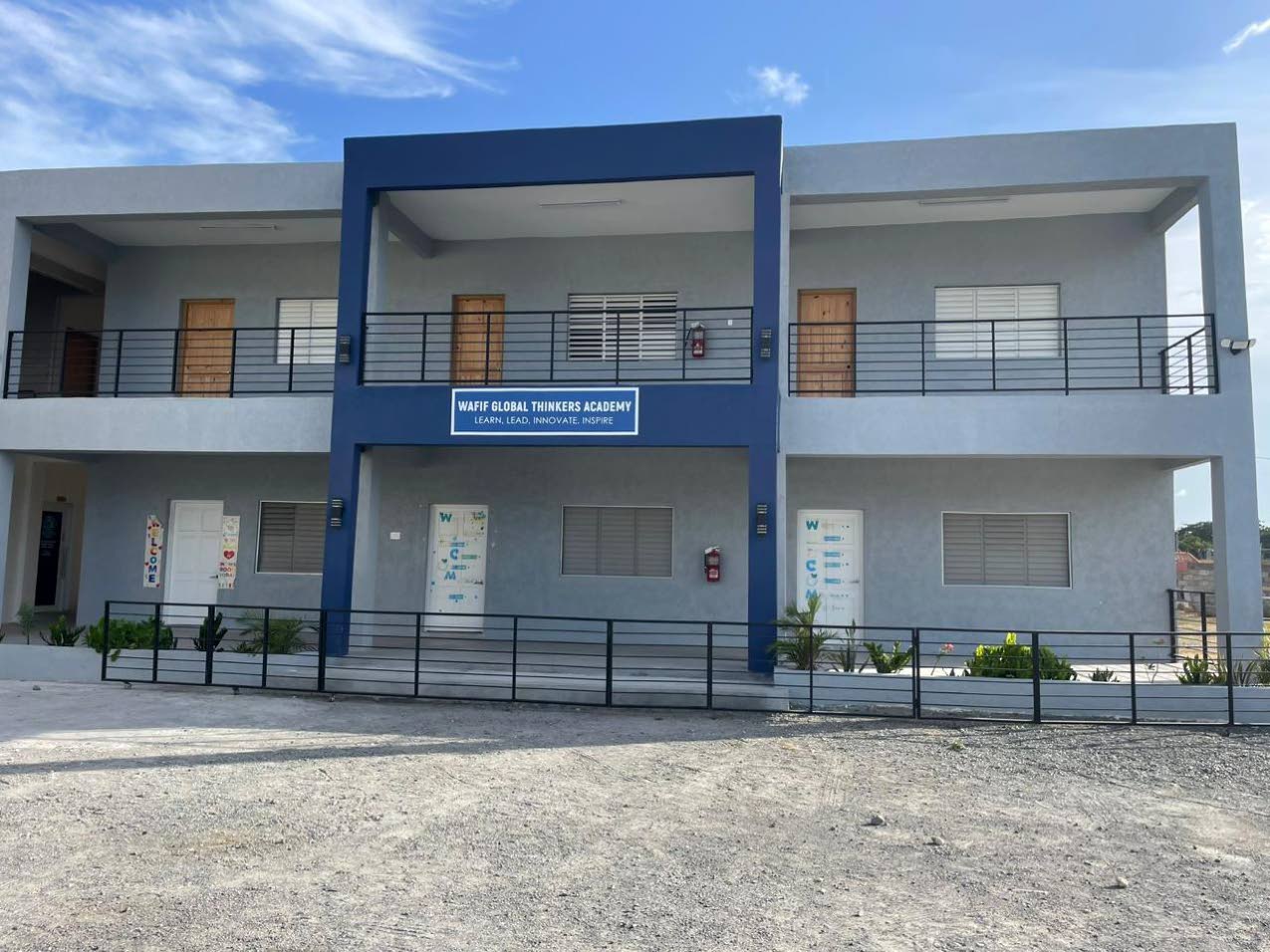
The WAFIF Global Thinkers Academy in Spanish Town, St Catherine, built using Evolution ICF Group’s insulated concrete form.
“We found that the only way to assure that [construction was done properly] was for us to put together a contracting company, and so we did,” he said.
Rather than immediately pursuing construction projects, the company spent its first year and a half refining production at its factory in St James, hiring and training workers to consistently manufacture the blocks.

Jerrold J Johnson, co-founder, Evolution ICF Group Ltd & E-Z Block Manufacturing Jamaica Ltd.
“That was our first focus, to be able to manufacture there consistently,” Merrill told the Sunday Finance.
For Merrill, the decision to pursue an alternative building system was rooted in a personal experience. After taking his children to visit his hometown in Canada, he found that every house he had lived in growing up had been torn down.

.
“It struck me in a weird way that I couldn’t share…my family home when I was young,” he said. “And somehow that connected me with people that go through hurricanes and tornadoes. And so I started to look for a better way to build a house.”
Unlike traditional concrete block construction, the E-Z Block system does not require mortar between each block. Instead, the insulated concrete blocks are stacked, bonded with a polyurethane adhesive and reinforced with a steel framework before being filled with concrete. Each E-Z Block covers the same surface area as five traditional concrete blocks, allowing crews to build significantly faster while reducing the amount of labour required.
“Comparatively speaking, I say it’s minimally five times faster than building with a regular system. Something that might take you six months, we can do in a month and a half,” he told the Sunday Finance.

MERRILL…Comparatively speaking, I say it’s minimally five times faster than building with a regular system. Something that might take you six months, we can do in a month and a half.
Beyond speed, the completed structures offer improved insulation, keeping the interior of a home between “15 and 17 degrees cooler” than the outside temperature without the use of air conditioning. Merrill also described the homes as quieter than traditional structures. While acknowledging there was initial scepticism about introducing a new construction system to Jamaica, the company’s partnership with the University of Technology (UTech), Jamaica, helped build credibility. The university evaluated both the product and the installation method before entering into a memorandum of understanding with the company, requiring contractors wishing to build with the system to complete the UTech training programme before becoming certified E-Z Block installers. While Merrill admits the company initially faced resistance from some builders and prospective customers, he believes completed projects have helped ease those concerns. Among the company’s portfolio are homes in Westmoreland that withstood Hurricane Melissa without sustaining damage.
“We now have enough evidence,” Merrill said. “We’ve had earthquakes happen in Spanish Town, right near where we did a school. There was no damage. We have some real-world evidence now that the scepticism is declining and the enthusiasm is actually what’s increasing.”
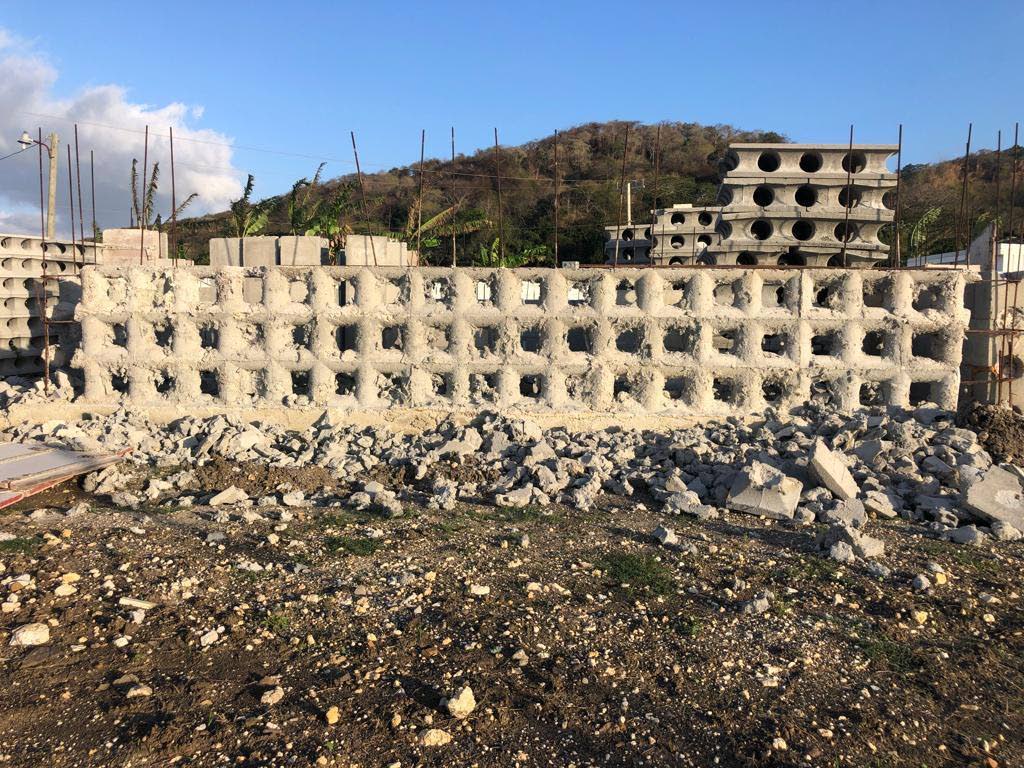
Interior view of an ICF wall under construction at the Ocean Pointe housing development in Lucea, Hanover, showing the insulated concrete block system before concrete is poured.
Among the company’s ongoing initiatives is a partnership with the National Housing Trust (NHT), where it is constructing two demonstration homes in Money Musk, Clarendon. The homes are expected to serve as proof-of-concept projects before the company expands into other NHT developments across the island. Evolution ICF Group has also introduced a Build on Own Land programme to help NHT contributors use their benefits to construct homes on land they already own. Under the programme, the company guides applicants through the qualification and funding process while offering one, two and three-bedroom house models designed to fall within NHT financing limits.
“We’ve worked it out with NHT how we will walk people through that programme and help them get qualified and get funded if they have their own land,” he said. “The one-bedroom is actually below what the NHT allowance is for a single person, and the two-bedroom is right on the edge of it.”
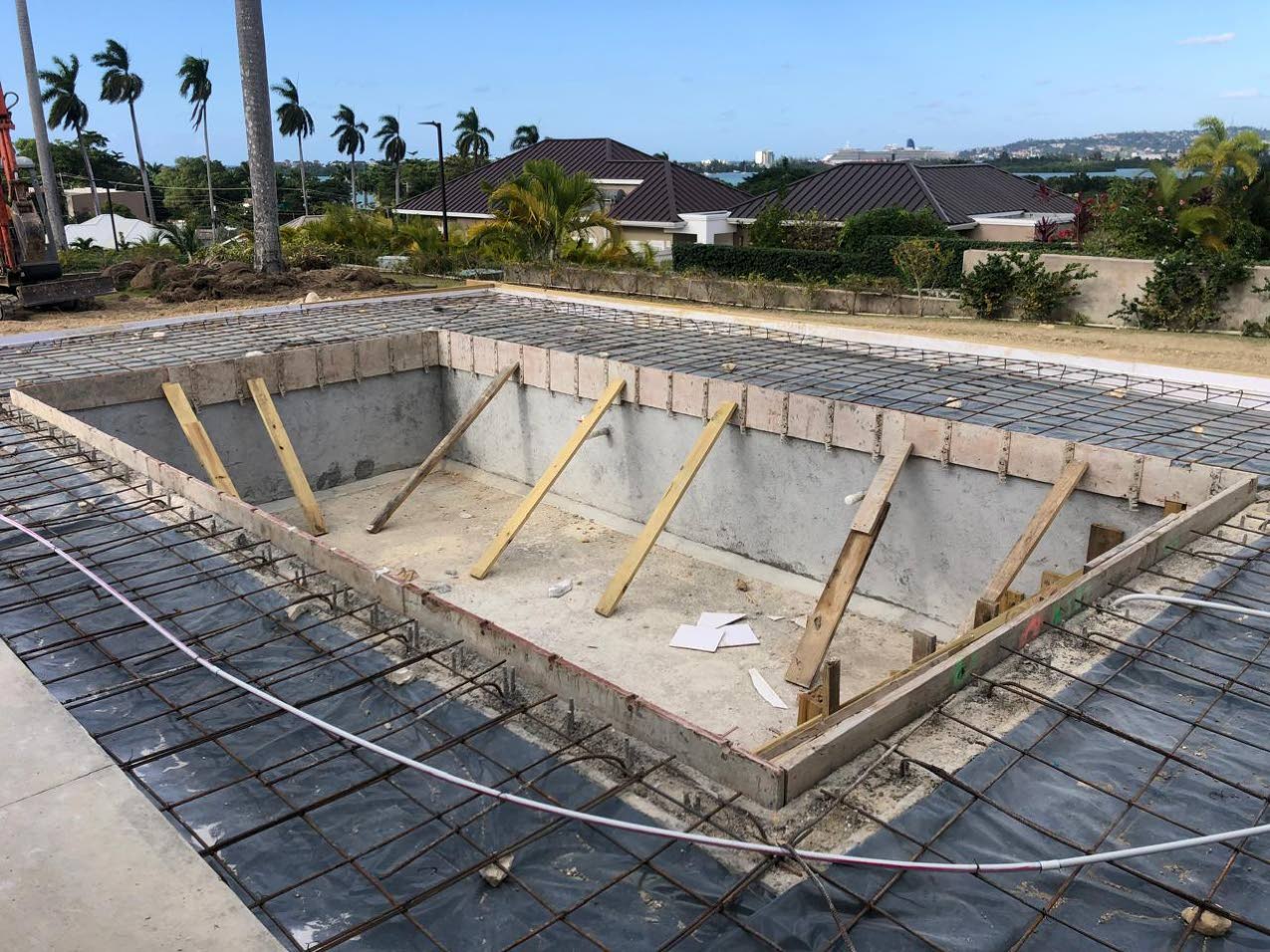
A swimming pool under construction at Terra Estates in Montego Bay, one of the projects completed using the company’s building system.
Although Jamaica is the company’s first Caribbean market, it has always viewed the island as the proving ground for wider regional expansion.
“If it works here, it’ll work in every other island in the Caribbean,” Merrill said.
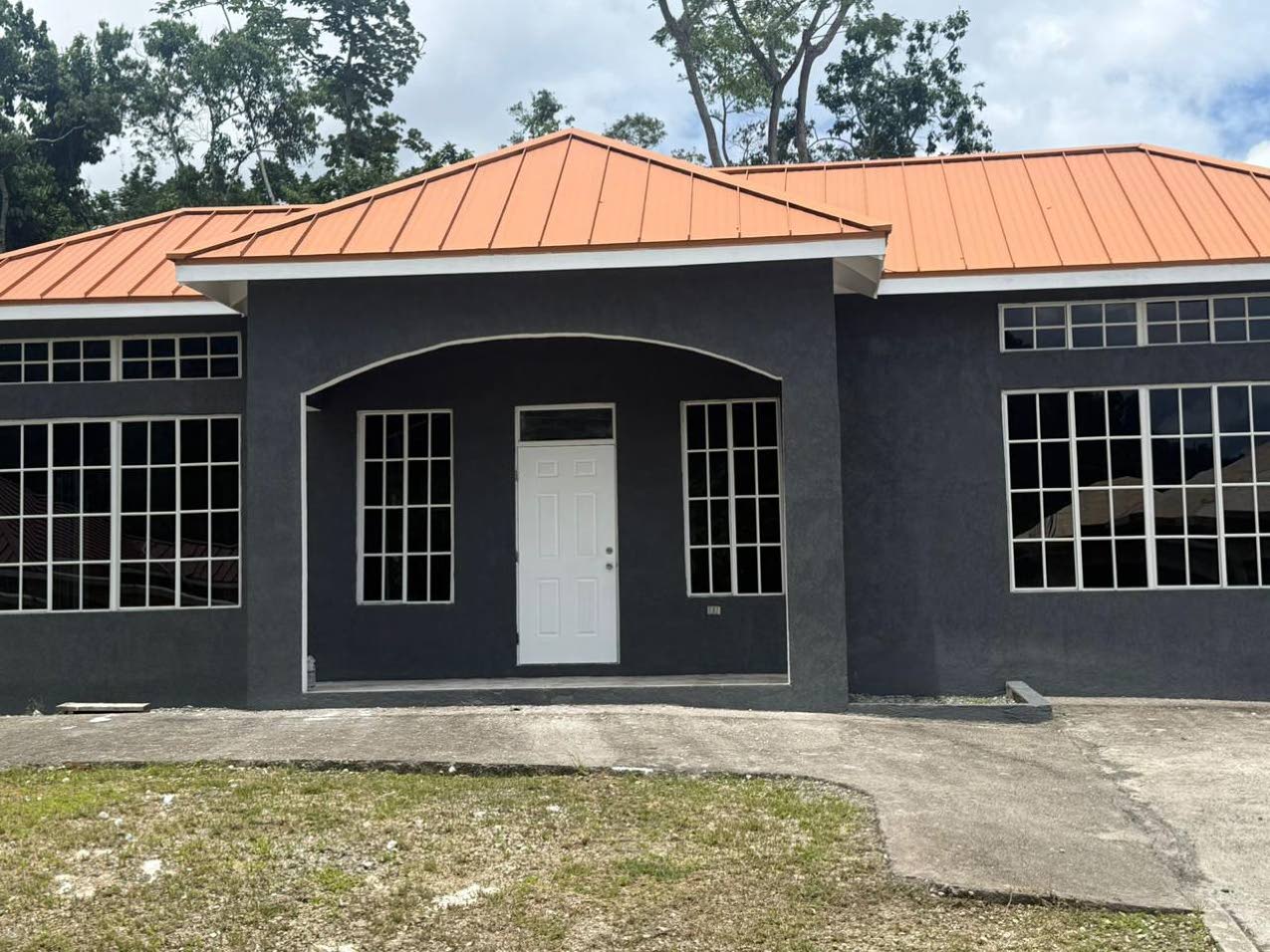
The Sanctuary at Farm Hill in St Mary, one of more than 45 projects completed by Evolution ICF Group across Jamaica.
He noted that the company’s collaboration with the University of Technology (UTech), Jamaica, also provides a gateway to the wider region, as architects, engineers, planners and other built-environment professionals from across the Caribbean train at the institution. That ambition has already begun to generate regional interest. Following a presentation at the Caribbean Urban Forum in Kingston, the company has received enquiries from representatives in seven Caribbean territories interested in introducing the building system and establishing manufacturing plants in their respective markets. The model, it said, would mirror its Jamaican operation by creating jobs in manufacturing, transportation and installation while giving developers another option for residential construction. Despite expanding across Jamaica and attracting interest from elsewhere in the Caribbean, the company has no immediate plans to ramp up advertising. Instead, it intends to continue relying on word-of-mouth referrals and completed projects to build its reputation.
“We would prefer to have evidence to show someone who comes to us than to try to advertise,” Merrill said. “Convincing people is not my style, and it’s not been the mantra of the company. The company is, let’s just do the work and have the experience of people being able to come and touch and feel it and have the evidence that this is real… Then the right people will find it, and we believe that’s happening now.”


