



Before you buy that car, count the cost
The monthly loan payment is only one part of what it takes to keep a vehicle on the road
THE easiest part of owning a car may be buying it. The harder part is keeping it.
Against the backdrop of vehicle repossessions, financial and automotive professionals are urging consumers to look beyond whether they can afford to secure a car loan and ask a more important question: Can they afford to keep the vehicle?
“Many consumers choose vehicles that are beyond their budget or select models with high maintenance costs, expensive or hard-to-source parts, and limited servicing options,” said Audrey Hawthorne-Brown, senior branch sales officer at First Heritage Co-operative (FHC) Credit Union.
For prospective car buyers, the monthly loan payment is only one of several costs that will follow them long after they drive off the lot. Insurance, fuel, maintenance, licensing, repairs, the availability of replacement parts and other unexpected expenses all compete for space in the household budget. Hawthorne-Brown told the Jamaica Observer that it is common for people to purchase a vehicle based on how it looks or an emotional attachment to it, without carefully assessing whether the purchase is financially sustainable both now and throughout the loan term. The bigger question, she said, is whether consumers can comfortably afford the monthly loan repayment alongside their existing financial obligations. This is particularly important as the primary reason cited for vehicle repossessions by FHC is the inability to maintain regular loan repayments.
“At FHC, repossession is always considered a last resort. Every reasonable effort is made to contact borrowers and explore possible repayment arrangements before any repossession action is taken,” Hawthorne-Brown told the Business Observer. “Repossession generally occurs only after these efforts have been exhausted and there is little or no engagement from the borrower in meeting their loan obligations.”
MCDONALD… parts availability is the first thing they need to look at. I don’t mean engine service and front-end parts. The first set of parts you need to look for in this country is body parts. Body parts are lights.
The advice is simple: Consumers should purchase a vehicle that fits comfortably within their budget rather than stretching their finances. That starts with researching vehicle options and understanding the ongoing costs of ownership before signing the loan. A conversation with an automotive professional can also help buyers better understand the realities of maintaining a particular vehicle and avoid purchasing one that is simply outside their means to maintain.
“Parts availability is the first thing they need to look at. I don’t mean engine service and front-end parts. The first set of parts you need to look for in this country is body parts. Body parts are lights,” said the managing director of Xtreme Autosound & Electronics Sean McDonald.
If you damage a light or body panel, can you actually find the replacement part, and how much will it cost? He explained that fender-benders are common, making the availability of body parts an important consideration when choosing a vehicle. Lights, he said, should be of particular concern because they are among the first parts likely to be damaged in a collision.
“With the state of the roads, the most common issues are going to be the front end, suspension and tyres,” he said.
McDonald did, however, acknowledge that mainstream Japanese cars such as Honda, Toyota and Nissan generally have more affordable parts, although costs can vary depending on the model. Mitsubishi and Mazda, he noted, can be more expensive, as well as European vehicles.
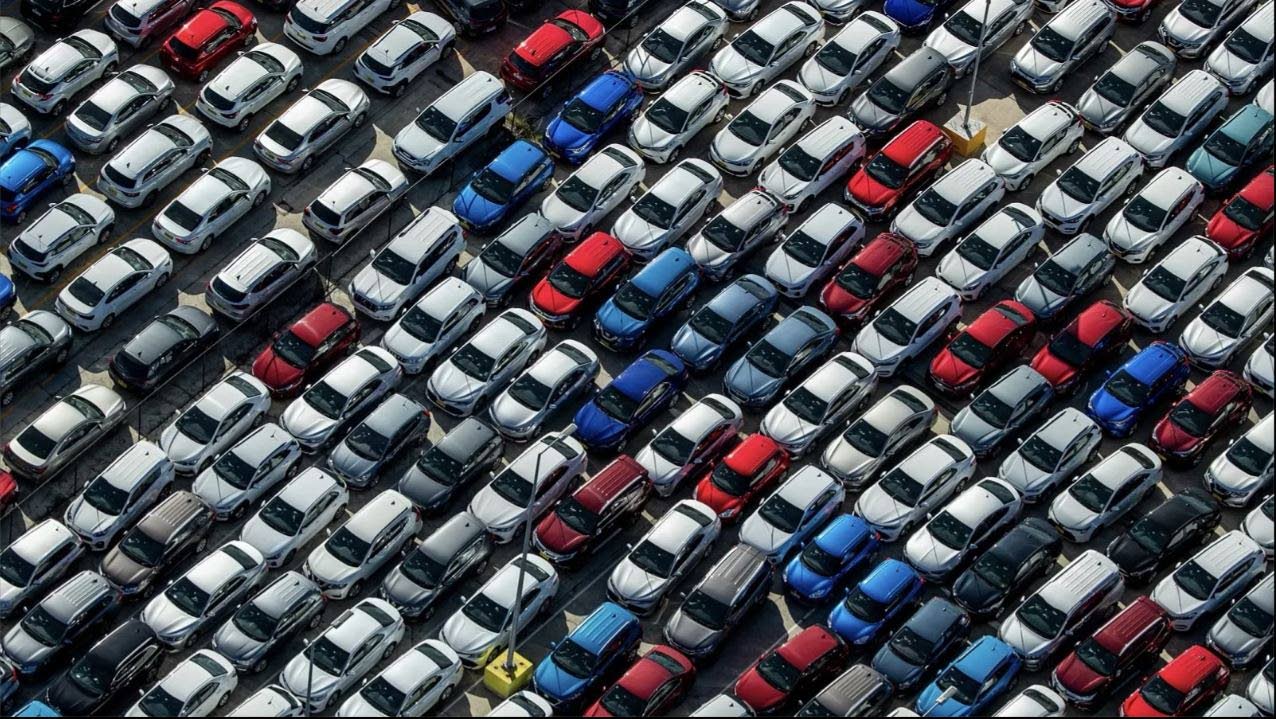
Financial and automotive professionals are urging prospective buyers to consider the full cost of ownership before taking on a car loan.
“We really don’t have much dealer support for those cars [European vehicles] in this country,” McDonald told the Business Observer. “The parts availability and cost of those parts in this country are pretty high. And they’re not readily available.”
Vehicles such as Mercedes-Benz, BMW, Audi and Volkswagen, according to McDonald, can sometimes spend longer periods at mechanic shops because parts may have to be sourced, and many of the components are specifically coded to individual vehicles, requiring electronic programming. But the purchase price and availability of parts are not the only maintenance considerations. Fuel efficiency is another consideration, but McDonald said it should not be the only factor driving a purchase. Instead, consumers should consider the intended use of the vehicle. For someone using a vehicle primarily for personal transportation to and from work, fuel efficiency may be a key consideration. However, for someone who frequently travels across the island or uses the vehicle for excursions, other factors such as power and performance may need to be weighed alongside fuel economy. People don’t only care about maintenance. They also think about resale value. Buyers often hope to recover as much of their initial investment as possible when they eventually sell. That, however, can be difficult to predict. McDonald said resale values can change as the market shifts, meaning a vehicle that commands a strong resale value today may not necessarily hold the same position several years later.
One of the costs usually considered late in the car-buying process is insurance. While motor insurance is mandatory for vehicles being used on the road, it can become an afterthought once a buyer has settled on a vehicle and calculated the loan payment. Yet the cost and type of coverage can have a significant impact on the overall cost of ownership. And even after purchasing insurance, misunderstandings about what a policy actually covers can leave motorists financially exposed.
“Many motorists assume that once they have insurance, every loss will be covered, only to discover after an accident that they have Third-Party coverage,” shared Andrea Muir Gibbs, assistant general manager, personal lines, at GK General Insurance.
Muir Gibbs said underinsuring vehicles to reduce premiums, failing to disclose regular drivers and not reviewing policies annually to ensure the insured value remains accurate are among the common issues observed by the insurer. Many motorists also believe that insurance is insurance and that all policies provide similar protection. They do not. After an accident or theft, some policyholders discover that damage to their own vehicle is not covered or that they are required to pay a significant excess. As a result, the cheapest policy can become the most expensive option and leave a policyholder financially exposed when a claim occurs. While affordability is an important consideration when purchasing a vehicle, Muir Gibbs said consumers also need to consider the insurance implications of their choice.

Before buying a car, prospective buyers should consider the full cost of ownership, from the loan payment and insurance to fuel, maintenance and repairs.
“Many people are surprised to learn that an affordable vehicle purchase can come with significantly higher insurance and maintenance costs,” she said.
Certain models attract higher premiums because of higher theft rates, more expensive replacement parts, increased repair costs or a history of more frequent claims. Understanding the risks associated with a particular vehicle and its insurance history can therefore help buyers avoid an unexpected expense. Consumers should also understand the difference between third-party and comprehensive insurance and what each policy covers. While comprehensive coverage provides broader protection, policies still contain conditions, exclusions and deductibles that policyholders need to understand. GK General Insurance advises consumers to obtain an insurance quote before purchasing a vehicle and compare coverage, not just premiums. Buyers should ask about benefits, additional coverage, exclusions and excesses and ensure that the vehicle is insured for an appropriate value.
“Do not assume that all policies offer the same protection. Ask questions, understand exactly what is covered, and choose a policy that matches your needs and financial circumstances,” Muir Gibbs said.


