



More Than Just Fuzzy Spots
Picture this: You’re unpacking groceries and notice a fuzzy white patch on a tomato. Or perhaps a few strawberries have developed a soft, green mould in the container. Do you remove the mouldy piece and eat the rest, or should the entire package go into the bin?
It’s a question many consumers ask, especially as food prices continue to rise and no one wants to waste perfectly good produce. But understanding what mould is — and what it isn’t — can help you make safer decisions in the kitchen.
What, Exactly, Is Mould?
Mould is a type of microscopic fungus that grows naturally in the environment. Its tiny spores are present almost everywhere — in the air, soil, water and even inside our homes. When these spores land on food under the right conditions, they begin to grow.
Unlike bacteria, mould is often visible. It may appear white, green, blue, black or grey and can have a fuzzy, powdery or velvety appearance. However, what you see on the surface is only part of the story.
Many moulds grow microscopic thread-like structures called hyphae that extend beneath the surface of food. In soft fruits and vegetables, these roots can spread much farther than the visible patch, making it impossible to know how much of the food has been affected.
Some moulds are simply spoilage organisms, while others can produce mycotoxins — naturally occurring toxic compounds that may pose health risks if consumed in sufficient amounts. Not every mould produces toxins, and you cannot tell whether a mould is harmful simply by looking at it.
Why Does Mould Grow?
Like all living organisms, mould needs favourable conditions to thrive. Fresh fruits and vegetables contain moisture and nutrients that make them an ideal food source. Warm temperatures, humidity, damaged skin and prolonged storage all encourage mould growth. Even tiny bruises or cuts can allow mould spores to establish themselves. For these reasons, produce should be handled gently during transport and storage.
Mould can also spread from one piece of produce to another through direct contact. A single mouldy strawberry, for example, can quickly affect those touching it.
Prevention Starts Before You Get Home
Reducing mould begins with smart shopping. Choose fruits and vegetables that are firm and free from bruises, cuts or visible mould. Avoid packages containing damaged produce, excessive moisture or leaking juices.
If purchasing pre-cut fruits or bagged salads, ensure they are refrigerated in the supermarket and remain cold on your journey home. Fresh-cut produce is more vulnerable because its natural protective skin has already been removed.
Store Produce Properly
Storage conditions also have a significant impact on shelf life. Many fruits and vegetables should be refrigerated soon after purchase, while others, such as bananas, potatoes and onions, are best kept at room temperature in a cool, dry location.
Another often-overlooked factor is ethylene gas. Fruits such as bananas, apples and avocados naturally release ethylene, a plant hormone that speeds ripening. Keeping ethylene-producing fruits next to ethylene-sensitive vegetables can shorten shelf life and increase spoilage. Good air circulation and proper storage can help keep produce fresher for longer.
Should You Wash Produce Before Storing It?
Many people wash all their fruits and vegetables as soon as they arrive home. While the intention is good, it can shorten shelf life. Excess moisture left on produce creates conditions that encourage mould growth. Unless the produce is visibly dirty, it is generally better to wash fruits and vegetables just before eating or preparing them.
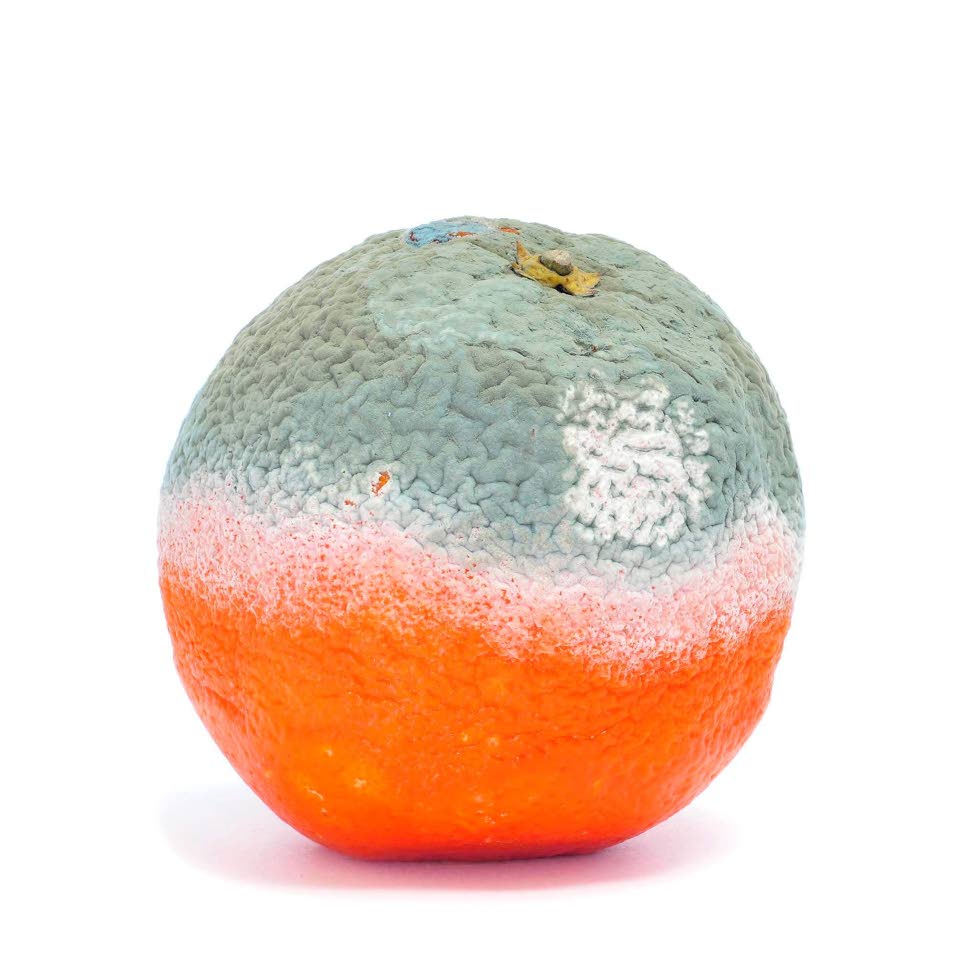
Moisture, high nutrient content, damaged skin, and prolonged storage make fresh fruit particularly vulnerable to mould — especially under warm and humid conditions.
The safest and most effective way to clean fresh produce at home is under cool, running water. Firm produce such as potatoes or apples may be gently scrubbed with a clean produce brush. Avoid using soap, bleach, disinfectants or commercial produce washes. According to the US FDA, these products are not recommended because produce can absorb residues, and commercial produce washes have not been proven to be more effective than washing with running water alone.
Can You Just Cut the Mould Off?
The answer depends on the food. For soft fruits and vegetables such as strawberries, tomatoes, peaches or cucumbers, the safest recommendation is to discard the mouldy item. Because these foods have a high moisture content, mould can spread below the surface even when only a small patch is visible.
If one piece of fruit in a container is mouldy, discard that piece along with any fruits that were directly touching it. Carefully inspect the remaining produce and wash it before eating if it shows no signs of spoilage.
Protecting Yourself and Your Family
Food safety starts with small, everyday habits. Inspect produce before buying. Store it correctly. Handle it gently. Wash it properly before use. When in doubt, throw it out.
While reducing food waste is important, protecting your health is even more important. A mouldy spot is not always just a surface blemish — it can be a sign that microscopic growth has already spread beyond what the eye can see.
Fresh fruits and vegetables remain an essential part of a healthy diet. By understanding how mould develops and how to prevent it, consumers can enjoy the nutritional benefits of fresh produce while reducing both food waste and the risk of foodborne illness.
About the Author
Allison Richards is a food safety communicator, certified trainer and the founder of The Food Safety Girl, a consumer awareness platform promoting food safety in Jamaica and the Caribbean. She is the Caribbean Chapter Director for Women in Food Safety (WIFS) and host of The Big Bite Food Safety Show. With over 14 years of experience in food safety regulation, she is committed to public education and consumer empowerment. Through public education initiatives, including free community webinars, she continues to create space for learning, dialogue, and practical food safety awareness.


