



Learning the game
CGC prepares regulators to spot cheating as Jamaica builds casino expertise
THE Casino Gaming Commission (CGC) says it has been preparing its regulators to face a new challenge, not only learning how casinos operate, but knowing enough about roulette, blackjack, and other games to spot when something is going wrong.
With much of the specialised expertise not readily available locally, the commission has partnered with overseas bodies and international regulators to train its staff and expose them to established casino operations.
Director of human resource and administration at the CGC, Shainee Myles said the training push was driven by the need to establish the level of expertise required to regulate the new sector to international standards.
“One of the first things that we needed to do was to establish what the requirement is for that First World standard, and we had to work closely with the operational team to also understand what the training gaps are and the type of people that we need,” Myles said at this week’s Jamaica Observer Monday Exchange.
She said the commission recognised early that simply transferring knowledge from Jamaica’s existing gaming environment would not be enough, given the specialised nature of casino regulation.
“A lot of the expertise does not reside locally in Jamaica so we had to create these persons. We partnered with overseas bodies and also looked keenly on what other international regulators are doing so that they can effectively manage the sector, and we identified several training opportunities that are needed. Our persons had to be very keen on upskilling as well so they can bring in that information and be fully prepared for the regulatory rules that they will fill,” she explained.
The preparation comes as Jamaica moves towards the launch of its first licensed casino under the Casino Gaming Act, 2010.
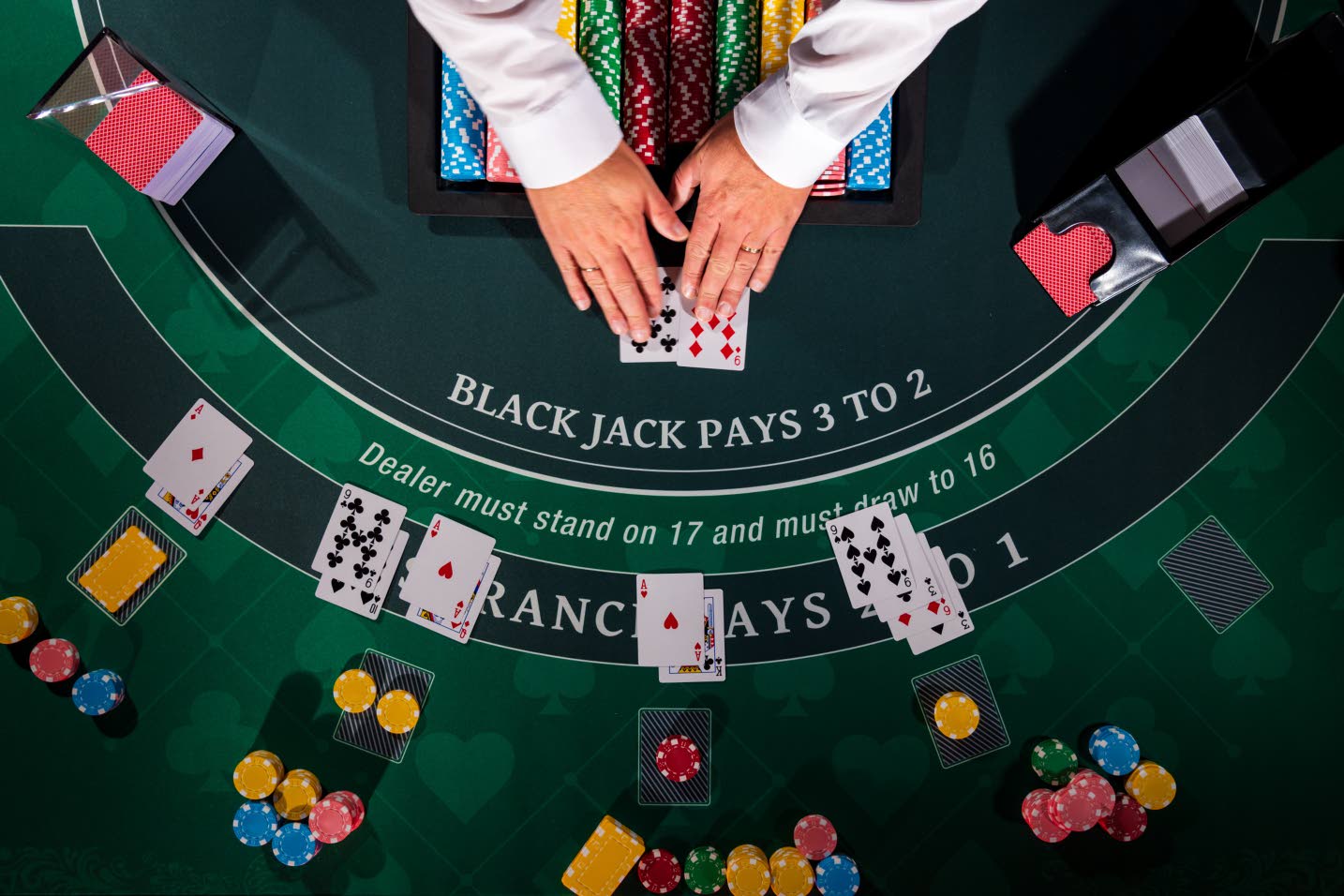
The Casino Gaming Commission says as the regulator it has to be able to distinguish ordinary play from manipulation or cheating. That requires an understanding of how table games like roulette and blackjack are played.
The CGC granted Jamaica’s first casino operator’s licence to Adamas Grand Casino Limited on July 29. The casino is proposed for Princess Grand Jamaica Resort in Green Island, Hanover, where it will operate under a management agreement with Spanish gaming and hospitality entity Grupo Orenes.
Myles said the commission has already completed training in table games and slot machines, while investigations training is ongoing and further practical exposure is planned.
That practical component is particularly important because casino regulation requires officials to understand the mechanics of the games they will be responsible for overseeing.
Asked specifically about table-game training, Myles said regulators must be able to distinguish ordinary play from manipulation or cheating.
“They need to understand how a roulette is played, how a blackjack is played, and also identifying when cheating is happening. You’ll have people coming in who know what they’re doing so we cannot sit and say we don’t know as yet — we have to know as well. So, we need to know how to play those games and to detect when cheating is taking place,” she explained.
According to Myles, the commission has also launched an online academy offering staff and partner agencies access to specialised regulatory courses, with areas including surveillance, risk management and anti-money laundering.
She noted that the aim is to ensure that knowledge does not become concentrated in a handful of employees who could leave the organisation and take that expertise with them.
“The Casino Gaming Commission is ready to regulate that difficult sector. It’s [going to be done] through continuous development as well of our people and upskilling them, and also continuous learning and institutionalising that knowledge, because it cannot reside in a single individual,” she expressed.
She said the academy currently offers 29 courses and is also designed to strengthen the capabilities of agencies that will work alongside the CGC.
“We also have to train our partner agencies. You have Customs, you have BGLC [Betting, Gaming and Lotteries Commission], MOCA [Major Organised Crime and Anti-Corruption Agency] — all those other areas that will be a part of the process. If there’s an investigation, if there are machines coming in, they need to know what to look for and how they can be a part of what is happening,” she explained.
The emphasis on training is part of a broader effort by the CGC to establish a regulatory system for a sector that is new to Jamaica in its full casino form.
Th country has long had gaming lounges regulated by the BGLC but those establishments are not casinos in the legal sense. Gaming lounges generally offer gaming machines while a CGC-licensed casino can offer full casino gaming including live table games such as blackjack, roulette, baccarat, craps and poker, as well as gaming machines.
Casino gaming is also restricted to approved integrated resort developments (IRDs), rather than standalone premises. The model ties casino gaming to larger tourism developments anchored by hotels and other amenities.
The CGC’s regulatory framework was completed with the Casino Gaming (General) Regulations, 2025, which set out detailed requirements covering licensing, management qualifications, record keeping, inspection, enforcement, and responsible gaming. The House of Representatives approved the regulations in February 2026 and the Senate affirmed them on April 17, completing the legal framework for licensing.


