



Sluggish school repairs part of a larger problem
We seem to be still shell-shocked from the walloping we received from Hurricane Melissa. Hardly recovered from the devastation wrought by her cousin, Beryl, she struck with devastating accuracy on the southern part of the island, destroying property, human lives, and livestock in her wake, and leaving the people bewildered by the often-destructive capacity of nature itself.
Perhaps the psychological effect of the hurricane may be partly responsible for the lack of robust response to the rebuilding effort, from St Elizabeth to Westmoreland and St James, and exiting in St Ann and Trelawny. What is clear and must not be forgotten is that two-thirds or three-quarters of the country was spared the hurricane’s devastating wrath. However, when you hear some of the comments, you get the distinct impression that it was the entire country that was hit.
The paralysis that we are witnessing is part of a larger problem that has bedevilled public works in Jamaica. I will get back to that in a moment, but let me mention the repairs to be done at the Burnt Savannah Primary School, which is a microcosm of the besetting sin to be distilled.
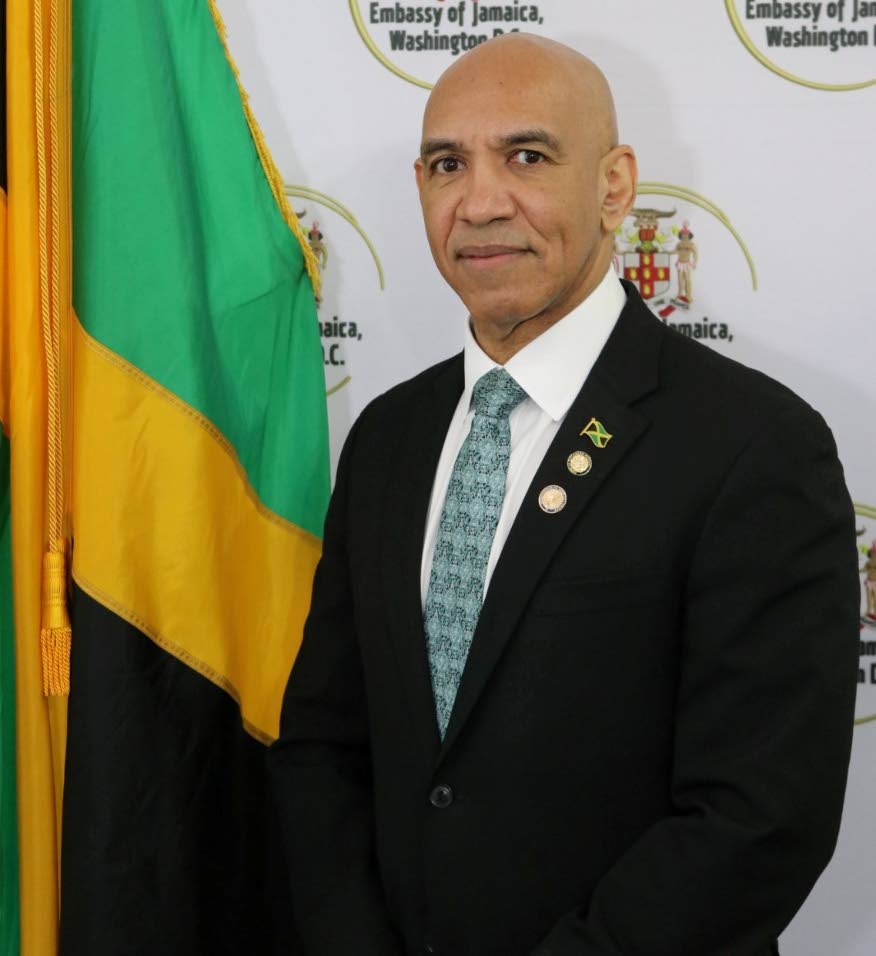
Major General (Ret’d) Antony Anderson (Photo: JIS)
The contract for the repairs at the school was signed in July 2026 when the National Education Trust (NET) engaged a building contractor to carry out the works. Since then, two factors are reported to be responsible for the repairs not beginning promptly, namely the shortage of materials and the lack of skilled labour. It has been said that workers have reported two work days lost as a result of waiting for supplies.
The shortage of skilled labour has more veracity than the supply of materials problem. As the project manager of a family legacy plaza being built in southern Manchester, I am quite aware of the difficulties here. Building materials are not necessarily scarce, even in this belt of the island. The war in Iran might have disrupted certain supply chains, but by and large materials are accessible. What is quite palpable is the astronomical cost of these materials. Only a fool would have signed a major repair contract unmindful of these realities. And if these realities were taken into consideration, then funding costs to do the project in line with them should have been factored in.
But the shortage of labour is a big issue. Because of the enormous amount of work that is available in the devastated areas, the skilled artisan, plumber, tiler, carpenter, mason, electrician, and others are kings and queens. In keeping with the basic law of supply and demand, the scarcity of labour and its high demand have led to stratospheric compensation being demanded for work. Some just simply walk away because they know they will get employment somewhere else. I recall one carpenter simply disappearing from the project to go to Hanover to “cut on” a roof because he clocked in one day and was not able to work because an item of material did not arrive on time. So you have to be on top of your game. It is a hands-on engagement.
I find it curious that the contractor for the Burnt Savannah project is just now able to attend to the repair works, two weeks ahead of school being opened. But even more curious is why the NET waited until July to get the contract going, almost 10 months after the hurricane struck last October. Why the delayed response and who is responsible?
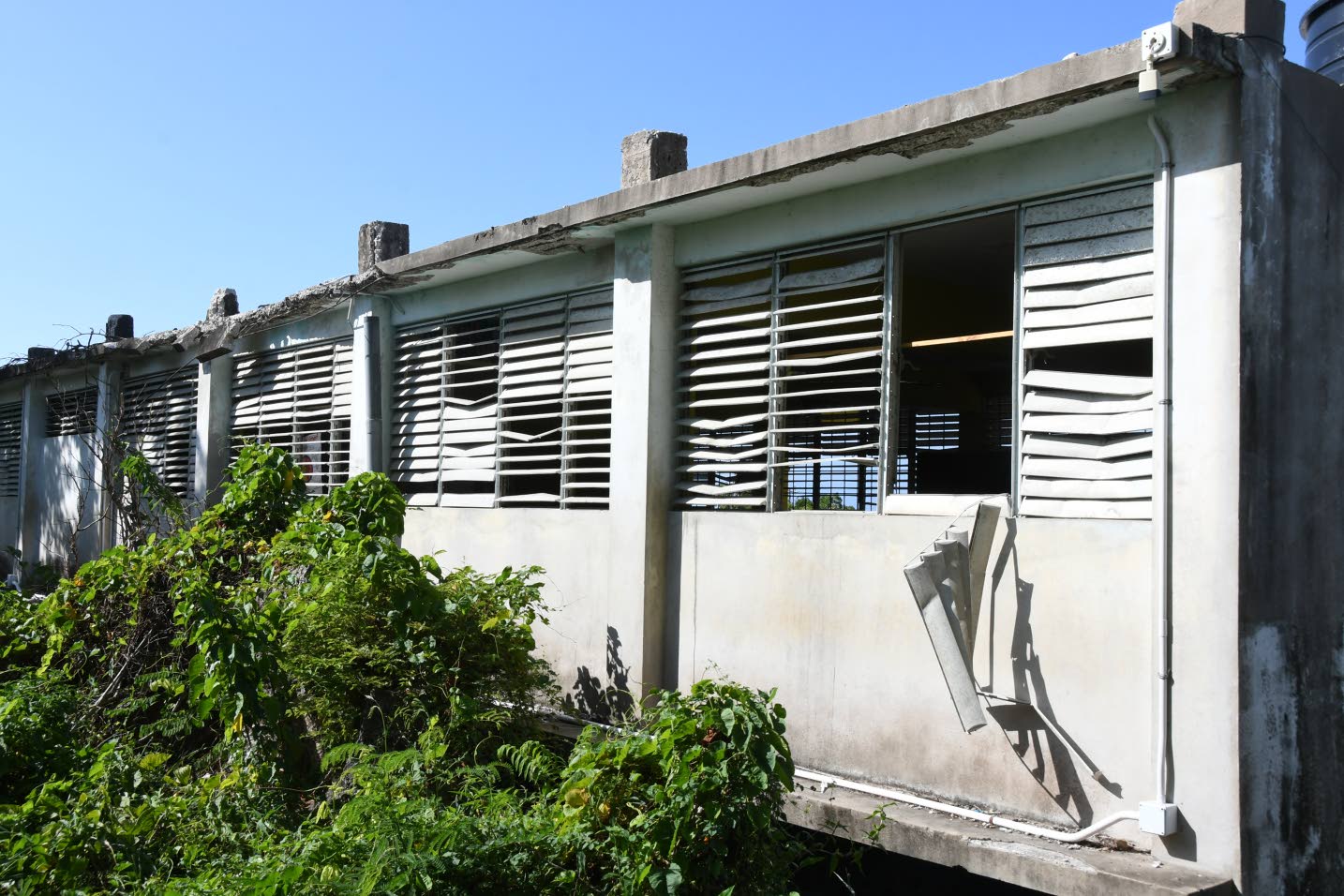
Classroom windows that were damaged during Hurricane Melissa on October 28 last year at the Priory Primary School in St Ann. (Photo: Karl Mclarty)
Given the nature of the twin dilemma — shortage of materials and skilled workers — I can well understand the contractor’s dilemma and agonise over the reason for the contract not being signed earlier to give him or her ample time to get on the road way ahead of September 7.
There seems to have been no robust attempt by the responsible authorities to get contracts signed on time. Most of the schools identified for repair will not be ready for the new school term. It is not reasonable to blame contractors for the delays when the authorities took a snail-paced approach to getting contracts signed.
The full impact of the disaster was known by at least two months after the event. Yet 10 months later NET is lamenting that of the 308 schools on the official priority list, only 50 have been repaired. This does not look good and the blame cannot be laid solely at the feet of the contractors. We see the dead hand of bureaucracy in operation here.
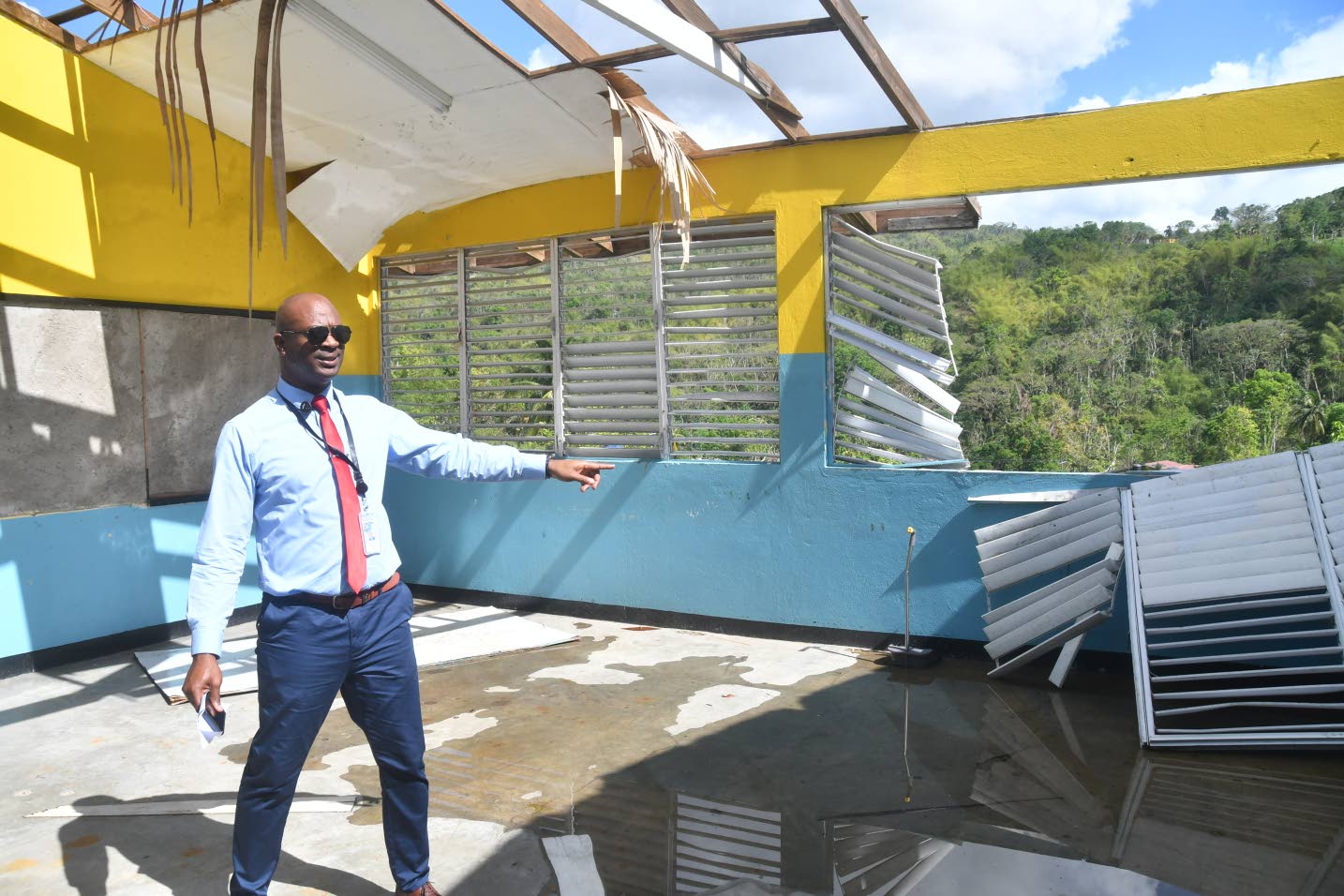
Edwin Allen High School Principal Jermaine Harris pointing to one of nine classrooms damaged during the passing of Hurricane Melissa.
The Government would have been well served to declare an emergency for the repair work to be done and remove obvious obstacles that would stymie the progress of this work, similar to how projects are expected to be treated under the National Reconstruction and Resilience Authority (NaRRA).
And this brings me to the larger issue hinted at earlier: the paralysis of accountability in getting major projects accomplished. NaRRA and, to a lesser extent, the Shared Prosperity through Accelerated Improvement in our Road Network (SPARK) will be overseeing the implementation of large projects, but I am concerned whether we have the carrying capacity to bring these projects to fruition. We will certainly be engaging outside contractors, but the planning and implementation rests in the hands of Jamaicans.
The fundamental question that bothers me is: Do we have the requisite work ethic to get the work done? This relates to the person mixing concrete as it does to project managers and even those in the higher echelons of the decision-making process.
Waste and fraud are often the bane of these big projects. Will there be workers who will behave as if they own their jobs; that the work they do is a definition and fulfilment of who they are as individuals; and that ultimately, they are accountable for what they do.
This is not a specious concern. Readers will recall the number of times I have lamented the denigration of the Jamaican work ethic by wallowing in a culture of political depredation. I do not have much confidence that we have turned the corner on this; that many who make decisions on our behalf are sufficiently seized of the fact that it is Jamaican taxpayers who have to bear the full brunt of this depredation when it wraps its tentacles around the bidding, implementation, and final outcome of these projects. And super billions of dollars will be sloshing around.
Major General (Ret’d) Antony Anderson, head of NaRRA, must certainly be aware of this construct as he plans the roll-out of projects. We, and certainly this columnist, do not expect miracles, but we expect the kind of decision-making that will bring the level of progress the nation needs. A little prayer for him cannot but help.
Dr Raulston Nembhard is a priest, social commentator, and author of the books Finding Peace in the Midst of Life’s Storms; Your Self-esteem Guide to a Better Life; and Beyond Petulance: Republican Politics and the Future of America. He also hosts a podcast — Mango Tree Dialogues — on his YouTube channel. Send comments to the Jamaica Observer or stead6655@aol.com.
Raulston Nembhard


