



The art of staying relevant: Pier One at 40
AS the Russell family recently celebrated 40 years of Pier One on the Waterfront — their iconic Montego Bay restaurant, bar, and entertainment venue — Peta-Gay King reflected on the mindset that has always underpinned the establishment’s success.
Change and consistency, two words that initially seem contradictory, keep coming up. But King, the daughter of Pier One’s founder, the late Robert “Ducksie” Russell, easily resolves that contradiction.
“When a guest returns on a Friday night it brings back the same memories they created here 10 years ago,” she said. “But now the place is bigger. There’s more space and more air.”
King insists that Pier One can change its physical appearance and experiences without losing the experience that defines it. It’s about evolving the product while preserving the brand.
“To keep growing and maintain our position as Montego Bay’s most popular restaurant we have to listen to our customers,” she explained. “For example, our guests wanted little VIP areas where they could have their own seats, and that guided the evolution of the restaurant’s design. The guest reviews are important. We spend hours going through them, making sure we follow up on the issues they raise.
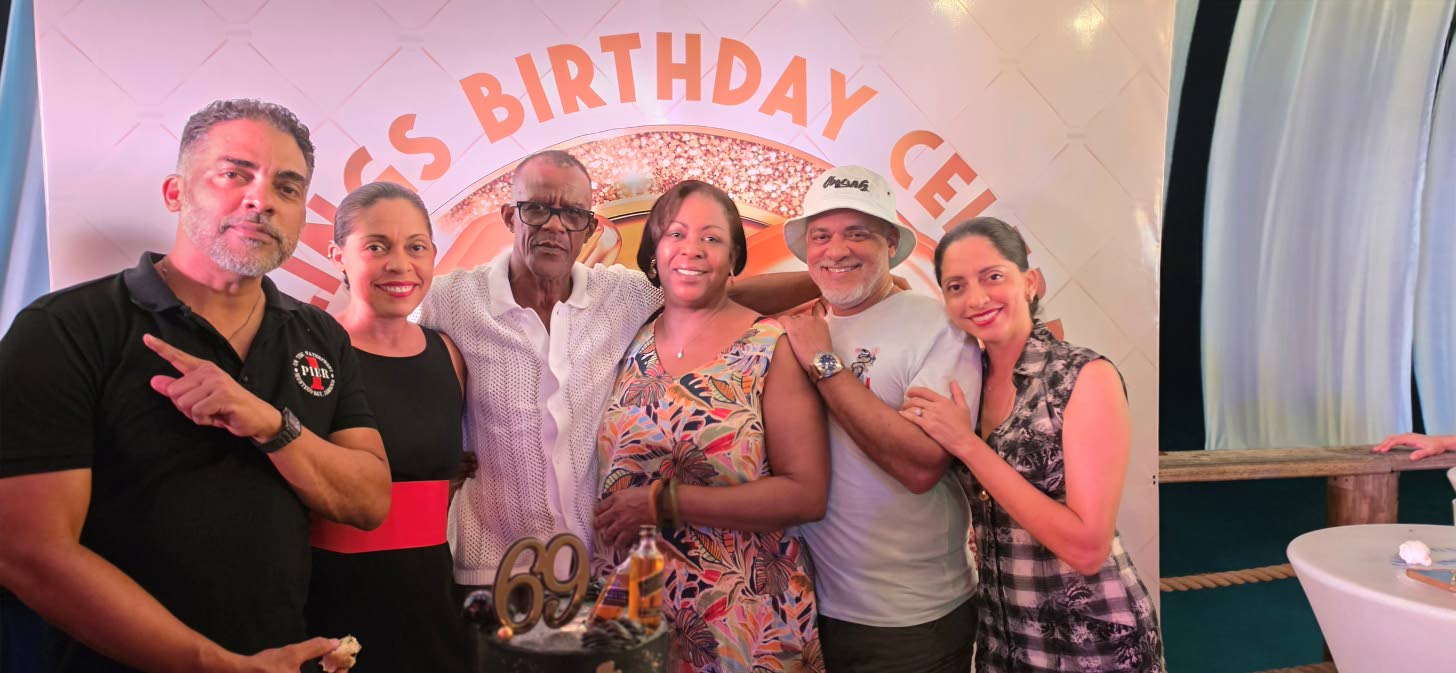
The Russell siblings celebrate the birthday of Pier One’s Executive Chef Clinton Bullings (third left). From left: General manager, Pier One on the Waterfront, Jason Russell; general manager-designate, Deja Resort Runaway Bay, Shari Russell Edwards; director, special events, Pier One, Peta-Gay King; general manager, Deja Resort Montego Bay, Robin Russell; and operations manager, Pier One on the Beach, Anna-Kaye Russell Byles.
“At the same time, our service is consistent,” she continued. “The ambiance of the waterfront experience remains the same. How we present and serve our offerings stays true to our warm, unpretentious personality. We are not trying to be something we are not. This is what we are, and we’re consistent.”
That same consistency extends to their target market. King admits that, over the years, the family has vigorously debated experimenting with different audiences amid shifting marketing trends, but ultimately chose to stick with their core customer base.
“Our target market is 25 to 55 years old,” she revealed.
That demographic has always worked well for Pier One.
“If I’m catering to an 18-year-old, you as a 35-year-old with spending power may not appreciate what an 18-year-old will appreciate,” the businesswoman pointed out. “So there is the risk of chasing away a core customer.
“I’m looking for that evolved teenager who’s ready to step up a little bit,” she added. “When they do, they come over to Pier One where they can appreciate a fashion show, a live band, and the things we have to offer. They have spending power because now they’re more settled in a job. They’re not on their parents’ payroll.”
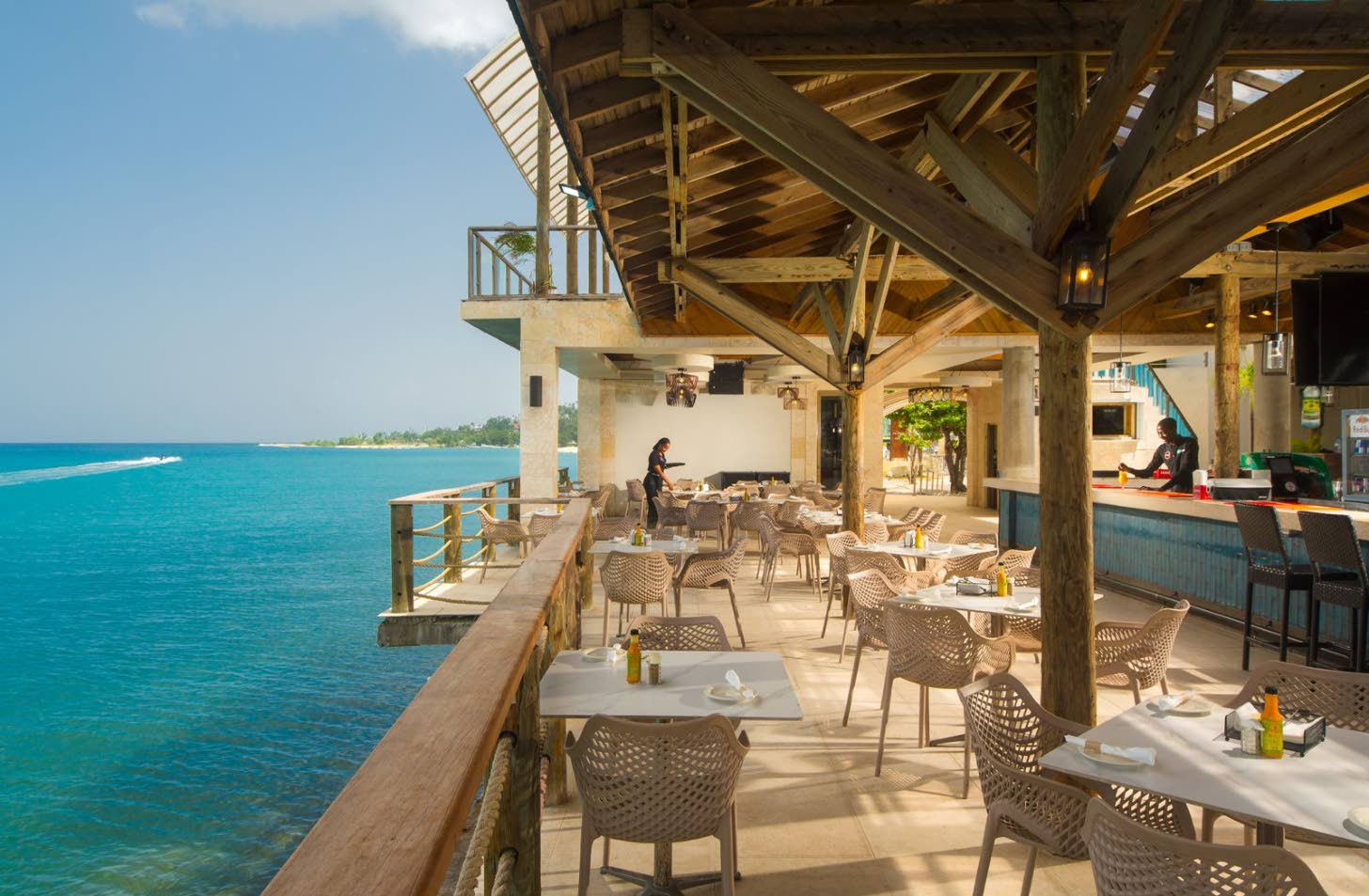
Pier One on the Waterfront was recently redesigned and expanded. Peta-Gay King explains that “there’s more space, more air, and more bars”.
The consistency theme does not end there. It extends to preserving connections with clients.
King related that the family’s culture of community, cultivated by her father, Robert, has helped build a bond between the Russells and the people of Montego Bay.
“Our dad was always very social,” she said. “He cared about the little man. He did not teach us to be uppity or to think we were above anybody, because you can be up today and down tomorrow.”
“Montego Bay is our home,” King affirmed. “And we strive to keep our home. We want to live somewhere where we feel safe. We want to give back, so we try to help as much as we can. We get involved.”
Robert “Ducksie” Russell, one of the founders of Montego Bay’s world-famous Reggae Sumfest, was also involved in other festivals, including the Air Jamaica Jazz and Blues Festival in the 1990s. His contributions helped shape Montego Bay’s entertainment identity.
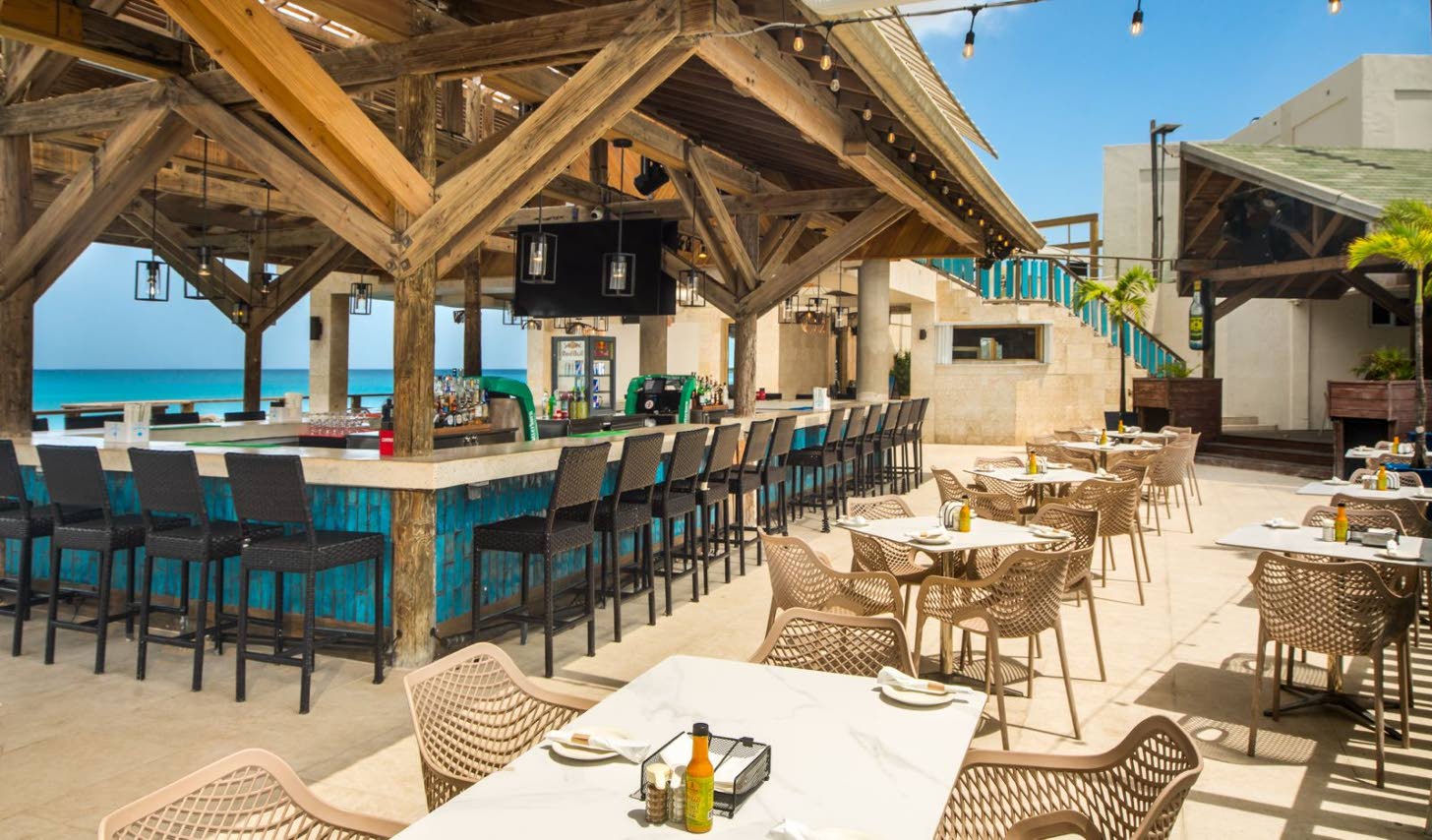
A view of the bar and restaurant at Pier One on the Waterfront. The establishment’s redesign incorporated customer feedback.
That involvement with the wider community has continued into the next generation.
His son Jason, who runs Pier One, serves as president of the Montego Bay Chamber of Commerce, while his eldest son Robin, who manages the family’s Deja Resort hotel in Montego Bay, has served as president of the Jamaica Hotel and Tourist Association (JHTA), among other public roles.
Immediately following Hurricane Melissa last October, the family mobilised Pier One to assist local victims of the disaster.
“My brother Jason said, ‘We’re doing World Central Kitchen,’ ” King recalled. “I said, ‘Okay, we’re doing it.’
“We served 10,000 meals,” she said. “It was crazy. But we were preparing meals all over Montego Bay to keep our staff going and just to show everybody: Don’t lock down, don’t despair. It [natural disaster] happens. It’s how quickly you can bounce back that’s going to make a difference. We tried to lead by example.”
The business that powers Pier One has expanded in recent years to include the all-inclusive Deja Resort in Montego Bay as well as Pier One on the Beach, run by the youngest sibling Anna-Kaye Russell Byles, at Doctor’s Cave Beach.
KING… to keep growing and maintain our position as Montego Bay’s most popular restaurant we have to listen to our customers
A second Deja Resort is under construction in Runaway Bay, with another Russell sibling, Shari Russell Edwards, overseeing the project. She is set to become its general manager once it opens.
Pier One’s reputation in the community has earned the trust of businesses, lending institutions, tourism companies, suppliers, and other hospitality partners who did not hesitate to assist the family with its expansion.
The theme of change and continuity persists through their story: new products, new companies and new projects backed by the stability of identity, relationships, and reputation.
Change is how you survive. Consistency is the platform on which you thrive. Every Russell understands this.
When asked what makes her most proud after 40 years of Pier One, King replied: “I’m just happy we’re still here, that we’re still relevant.”


