



Jamaica’s credit ratings hold despite Melissa
What it means for the Government, investors and economy
JAMAICA’S credit ratings have remained stable despite the economic damage caused by Hurricane Melissa last October, a development that could help the Government maintain access to financing as it rebuilds the country.
Finance Minister Fayval Williams announced at a recent post-Cabinet briefing that S&P Global currently rates Jamaica BB, Fitch BB- and Moody’s Ba3. While the ratings differ slightly, all three agencies have maintained stable outlooks for Jamaica. For the average Jamaican, the significance of those ratings comes down to the cost of borrowing and investor confidence in Jamaica. The country’s credit standing helps shape how international investors assess the risk of lending to Jamaica, which can affect the interest rate the Government has to pay when it borrows.
Financial adviser Stacy Jarrett of Marathon Insurance compared this system to an individual’s credit score.
“Two people can go to the bank for the same loan, but the person considered more risky will normally be asked to pay more interest,” Jarrett told the Jamaica Observer.
“Countries operate similarly. Jamaica’s credit rating helps international investors decide how much risk they believe they are taking when they lend us money. The stronger our financial position and rating, the less of a risk premium investors may demand,” Jarrett added.
For the Government, lower borrowing costs can leave more revenue available for other uses instead of interest payments. Jarrett noted that this does not automatically mean more money for roads, hospitals, or education, but it gives the country more fiscal room.
Jamaica’s latest US$1-billion international bond provides a real-world example. The 11-year bond carried a 6.25 per cent coupon and was oversubscribed by approximately 2.5 times, meaning investors placed orders for about US$2.5 billion even though the Government was seeking to raise US$1 billion. Jarrett said the demand was particularly notable, given the timing of the bond.

Finance Minister Fayval Williams announces Jamaica’s sovereign credit ratings, S&P Global BB, Fitch BB- and Moody’s Ba3, at a recent post-Cabinet press briefing.
“People were willing to lend Jamaica US$1 billion for the long term, less than a year after Hurricane Melissa,” she said. “Investors aren’t giving Jamaica charity. They expect their money back with interest. So their willingness to commit that amount of money tells us something about how international capital markets currently assess our ability to meet our obligations.”
The strong demand for the bond, however, cannot be attributed solely to Jamaica’s stable credit outlook.
Jason Martinez, vice-president of marketing and research at Mayberry Group, said the outlook is more important for retaining existing investors than attracting new ones.
“It signals no rating change over the next one to two years, which removes forced-seller risk for buy-and-hold accounts,” Martinez explained to the Business Observer.
The rating itself does not directly set the interest rate Jamaica pays on a bond. Instead, ratings help determine the risk category investors price within and which investors are permitted to buy. For Jamaicans who invest in government securities directly, or through mutual funds, pension funds and other investment products that hold government debt, changes in Jamaica’s credit rating can affect the risk and returns associated with those investments. A downgrade would change that picture.
“A downgrade could result in wider spreads on the next issue, some index and mandate exits, higher funding costs for Jamaican banks and corporates whose ratings are effectively capped near the sovereign, and steeper repo haircuts on GOJ globals,” said Martinez.
In practical terms, a downgrade could make it more expensive for the Government to borrow. Some investors could also have to sell Jamaican bonds if their investment rules prevent them from holding investments with lower credit ratings.
Jamaican banks and companies could also face higher borrowing costs because their credit ratings are closely tied to the Government’s rating. The longer-term upside would come from Jamaica moving towards investment grade, which would gradually widen the pool of investors able to buy Jamaican debt.
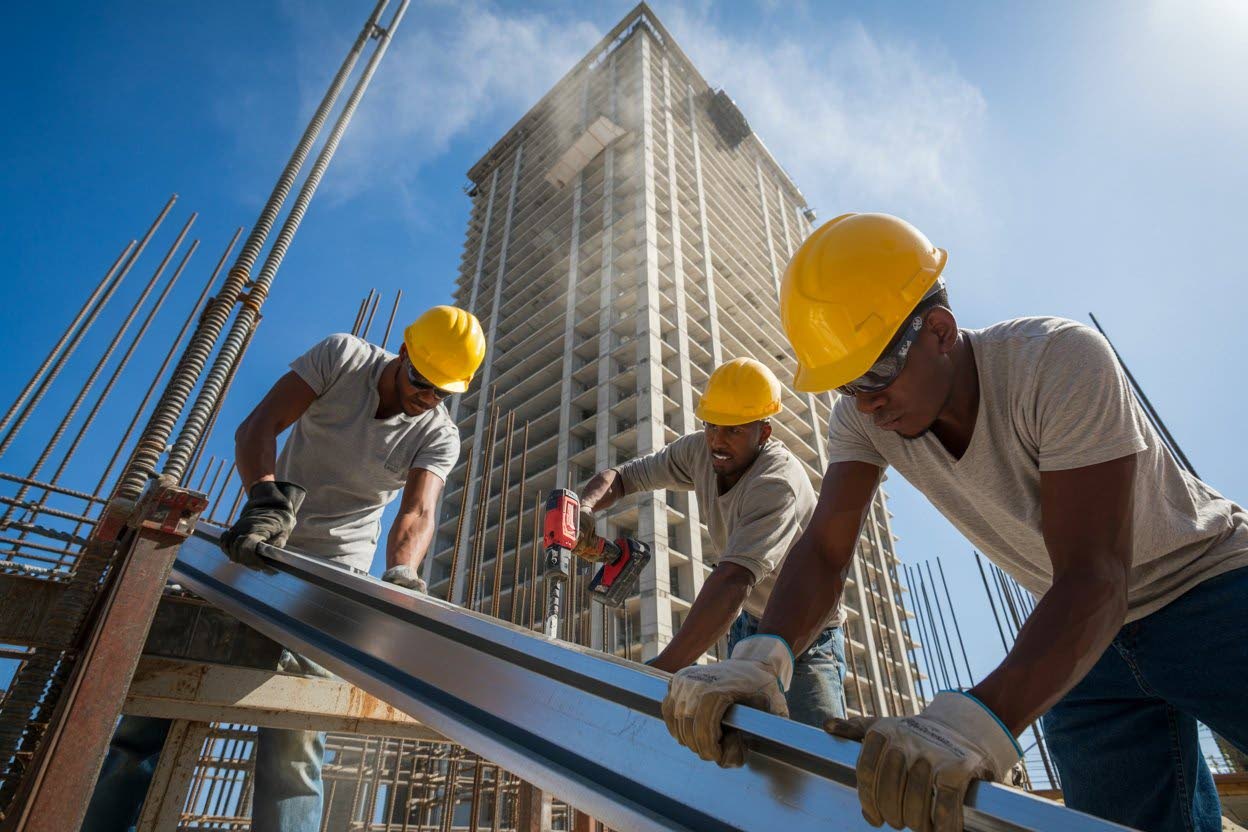
Reconstruction spending will be closely watched as Jamaica works towards investment grade, with rating agencies assessing whether the country can maintain its debt gains after the rebuilding phase.
Jamaica remains below investment grade, meaning it is excluded from some large pools of capital restricted to higher-rated debt. Jarrett compared investment grade to “getting on the exclusive financial guest list”, where larger pension funds and other major investors can participate.
“Jamaica is not yet on this list,” Jarrett said.
She added that moving closer to investment grade could give the country access to larger pools of funds at potentially better interest rates because of lower perceived risk. For Jamaica to move from its current position towards investment grade, however, the country will have to demonstrate that it can sustain its fiscal gains while generating stronger economic growth.
“The principal hurdle to investment grade is no longer fiscal credibility. It is increasingly about invigorating economic growth, strengthening resilience, and sustaining low debt after major shocks,” the Independent Fiscal Commission (IFC) stated in a written response to the Business Observer.
Jamaica entered the hurricane with stronger fiscal buffers than it had a decade ago, with debt-to-gross domestic product (GDP) at 60.3 per cent in September 2025, down from more than 130 per cent in 2013. The IFC said Jamaica’s Disaster Risk Financing Framework also provided access to insurance coverage, multilateral support, contingency arrangements and existing reserves, reducing the need for expensive emergency borrowing.
The focus now shifts to whether those fiscal gains can be preserved as reconstruction spending increases. The IFC said rating agencies will be watching whether debt-to-GDP resumes its downward path once reconstruction spending begins to taper off, alongside economic growth, the fiscal accounts, and Jamaica’s exposure to further climate and natural disaster shocks.
“The key question for the rating agencies is the path of the debt associated with the post-hurricane reconstruction work. The greatest risk is the possibility that reconstruction leads to a prolonged deterioration in Jamaica’s debt dynamics,” the IFC said.


