



Who will bell the cat?
There is an old fable worth retelling. A group of mice held a council meeting to come up with ways that would warn them of a menacing cat on the prowl in the still of night seeking a meal to devour. One novice mouse suggested they tie a bell around the cat’s neck to monitor its movement, giving them enough time to escape when it headed in their direction. When the applause for what sounded like a brilliant idea subsided, an old battle-scarred mouse stepped forward and asked, “Who will bell the cat?” Silence followed.
The story is an apt metaphor for the relations between small Caribbean states and the colossus to the north, the United States of America. A few brave souls have stood up, spoken out, and inevitably paid a price for trying to balance the power equation.
Our late Prime Minister Michael “Joshua” Manley tried and failed to “bell the cat” by standing up to America’s hegemonistic tendencies. He angered its Government by openly courting Fidel Castro’s communist Cuba.
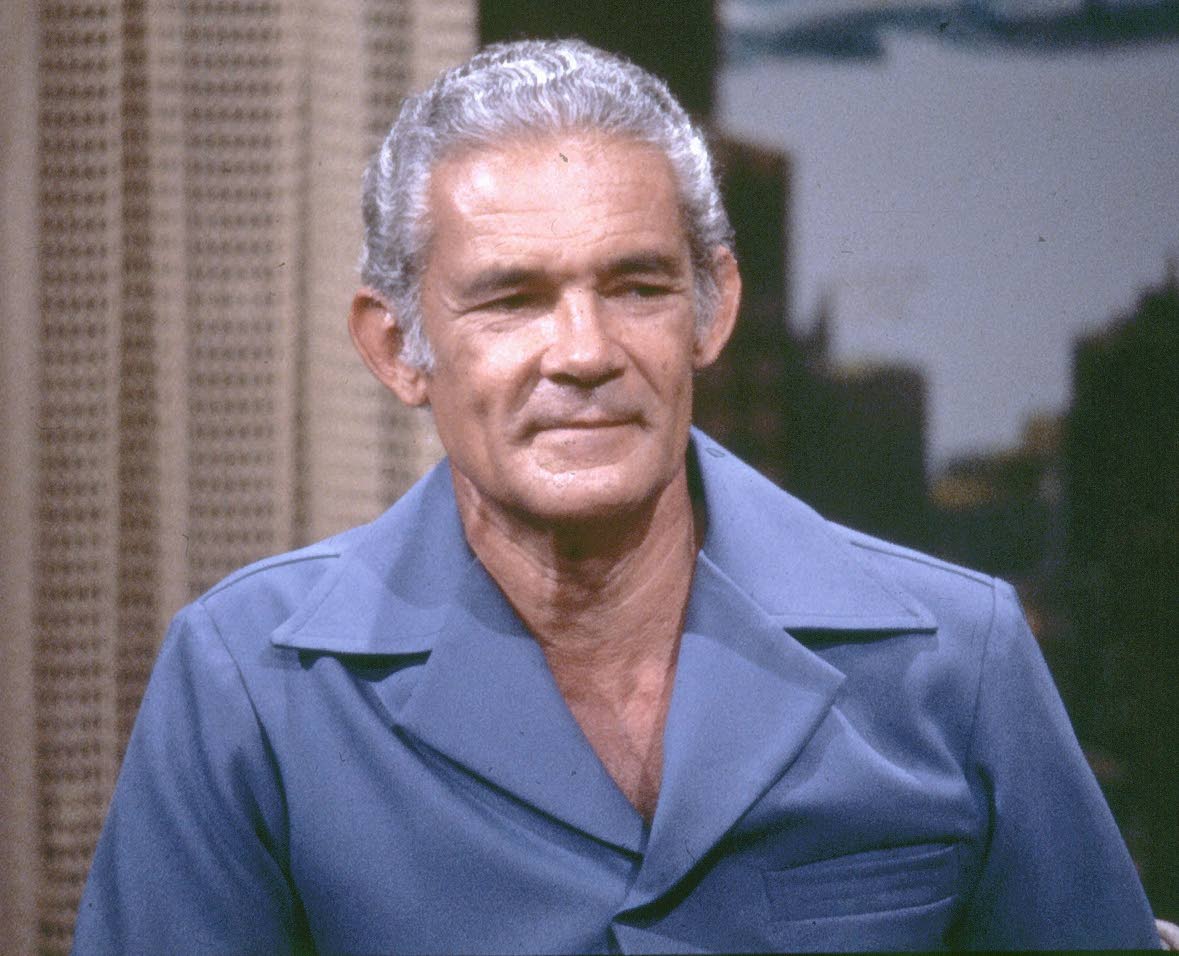
Michael Manley
His soaring rhetoric in a January 5, 1977 speech was one of many he would give to whip up national fervour in defence of Jamaica’s sovereignty. “This Government, on behalf of our people, will not accept anybody anywhere telling us what to do in our country. We are the masters of our house and in our house. There shall be no other master but ourselves. Above all, we are not for sale.” Half a century later, Jamaica has not fully recovered from America’s destabilising retaliatory measures provoked by Manley’s bold, if naïve, idealism.
Under Donald Trump, the 45th and 47th president of the United States, the cat has grown into a ferocious beast — the type found in the wild. Safely distanced from political power and with greater freedom to express his views without jeopardising Jamaica’s geopolitical interests, former Prime Minister Bruce Golding has been vocal in citing a litany of woes in what passes for friendly relations between our postage stamp-size island State and the world’s military and economic superpower.
In a front-page story titled ‘Bold Bruce’, the Monday, August 10, 2026 edition of the
Jamaica Observer recounted sections of an Emancipation Day speech he gave at the annual Team Jamaica Bickle Independence Gala in Philadelphia, Pennsylvania. Quoting from the story, “ ‘The United States has put us under severe stress. And that’s not what friends are for,’ he said, pointing to the damage the Jamaican economy could suffer should Jamaica stand up and try to fight back.”
Jamaica’s foreign policy response to American unilateralism has been one of quiet acquiescence, agreeing by not opposing, while not publicly endorsing. This attitude of not wanting to offend the bully out of fear of being punched in the face is most recently evident in the imposition of the policy governing third-country nationals, which will see Jamaica accepting non-Jamaican deportees from America, on a temporary basis we are told.
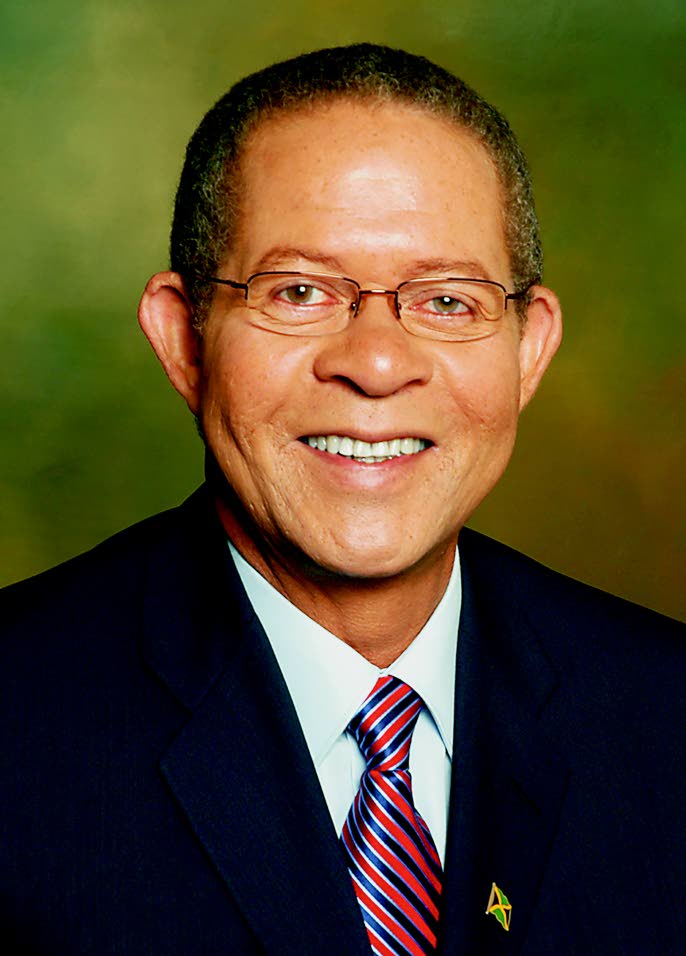
Bruce Golding.
So the question persists: Who will bell the cat? On the streets, among the political intelligentsia, and extending to the Diaspora, eyes are turning to tiny Barbados and Prime Minister Mia Mottley for leadership in this dark hour when Caribbean governments are cowering in fear of Trump.
Judging by her speech at the recently concluded 81st session of the United Nations General Assembly, she has answered the call. One does not have to hear the whole speech to be convinced. One need only listen to the applause-punctuated stem-winder as she neared the end, the words of which are reproduced below.
“Let there be no doubt, Mr President, that the mindset that established, justified, and sustained slavery is the same mindset that sustains the inequities and iniquities within the power structure of this very institution and within the international financial architecture. It is the same mindset that caused a global map to remain grossly inaccurate on the size of Africa for centuries, as if the true size of Africa would intimidate the rest of the world into understanding its power. Mr President, if we want to restore trust in these United Nations, and if we want to manage transformation — as is your theme — and if we want a UN that truly delivers for everyone, then at its core we must treat every human being as having equal value and deserving respect. I can find no better reference than His Majesty Haile Selassie speaking in this very assembly on the fourth of October 1963. And those of you who know the words (popularised in song by the legendary Bob Marley) can say it with me. ‘Until the philosophy which holds one race superior and another inferior is finally and permanently discredited and abandoned, everywhere is war. Until there are no longer first-class and second-class citizens of any nation, until the colour of a man’s skin is of no more significance than the colour of his eyes, there will be war.’ But, Mr President, equally, there will be no trust and no transformation.”
What the Caribbean needs most now is not someone at the helm playing cat and mouse games with Trump’s America. What the Caribbean, and I dare say Jamaica, needs most is someone with the spirit of a William Wilberforce, a Martin Luther King Jr, a Marcus Mosiah Garvey fearlessly fighting to bring justice to the marginalised in both our internal and external affairs.
Borrowing the title from the landmark 1992 report published by the West Indian Commission, it is ‘Time for Action’.
Dr Henley Morgan is founder and executive chairman of the Trench-Town based social enterprise Agency for Inner-city Renewal (AIR) and author of My Trench Town Journey – Lessons in Social Entrepreneurship and Community Transformation for Policy Makers, Development Leaders, and Practitioners. Send comments to hwardmorgan+articles@gmail.com.
Henley Morgan


