



Saved behind bars
Prison Bible study sessions rival that of local churches; more than 60 inmates baptise each year, says chaplain
THOUGH physically confined behind bars, with an estimated 60 inmates across 10 correctional facilities giving their lives to Christ during crusades and other religious activities yearly, prisoners are experiencing a different kind of freedom.
Head chaplain for the Department of Correctional Services Reverend Ricardo Taylor says his colleagues have reported that Bible studies and prayer meetings within correctional facilities are drawing crowds that rival those of traditional church gatherings — with inmates voluntarily turning out in significant numbers.
“For many of them, they’re coming off the street where probably they grew up in church, went to Sunday school or went to Sabbath school and just did not, at that point, choose. Coming into prison, for many of them, they are totally shocked when they come to the institution and see the structured religious programme that we have. They are just blown out of the waters,” said Taylor.
“When they go to the church, and they see different persons coming, religious volunteer groups that come in to offer their service in ministry, it’s really impacting on them to know that you’re in a space where you’re not being judged and that you’re in a space where there is support,” he told the Jamaica Observer.
Taylor shared that chaplains conduct weekly church services, offer spiritual counselling, and lead regular Bible studies with inmates. Religious leaders from various denominations also volunteer their time to worship alongside them, while inmates actively participate through inmate-led services. The programme is designed to help inmates confront and cope with guilt, anger, and trauma.
He added that Bible study sessions at the South Camp Adult Correctional Facility can attract as many as 45 inmates at a time, all attending voluntarily and taking part in support groups tailored for new believers.
“It is not just getting saved for Christ only, but it is really a support system, it’s a place where you can go and you can worship. We have a choir in the institution, a very active choir, one of the best choirs you’ll see. You’d be shocked to hear the ladies sing. That is another place where they can go, not only to sing, but to get the support,” said Taylor.
He said visitors are often shocked when they go to the institutions and observe that inmates are engaged in authentic worship, transforming the space into an environment of thanksgiving and praise.
While he could not provide exact figures, he noted that over the years, correctional facilities have seen a growing interest among inmates seeking to give their lives to God and be baptised. He suggested that the increase in baptisms may be linked to the presence of more chaplains across the facilities, allowing for the expansion of crusades, increased focus on devotion and counselling, and other religious activities.
“We have at the Tower Street facility probably three crusades for the year. Most persons coming into institutions after being convicted are coming in really hopeless, and so we use religion or theology or the teachings of Christ as a means of giving them hope…We all make mistakes, but it might not be the case that you make a mistake to go to prison. The apostle Paul was a murderer, Moses committed murder, but yet still we see where they were forgiven and so they, too, can be forgiven,” Taylor reasoned.
“It’s about using the gospel message of Jesus Christ to give people true hope. We have rehabilitation programmes, but what we offer from the chaplain’s unit is not only to rehabilitate, it is to bring total transformation, which is from the inside out; that’s what we offer,” he told the Sunday Observer.
He described the work as deeply fulfilling, noting that many inmates make genuine efforts to turn their lives around. He pointed to Stacy-Ann Garvey, a former inmate of Fort Augusta Adult Correctional Centre, who went on to start her own prison ministry, as a standout success story and evidence of the programme’s impact.
“We look forward to coming to work each day, and we look forward to interacting with inmates because you can see that the work that you do is making a positive impact on the ladies and the female — the girls, juveniles — and the adult men. You see it at Tower Street, for example, there’s now a big tent pitched on the football field at Tower Street and we are having a crusade, and an Easter crusade, right up until the end of this week, and the services are well attended at Tower Street, so it’s very fulfilling — extremely fulfilling,” said Taylor.
As correctional facilities observed Easter through crusades, he said the season serves as a powerful reminder of what Jesus did on the cross for all and the transformative power of the gospel.
“From the death of someone comes life for the world. The death of Jesus Christ leads to life for the world, it leads to hope. It leads to hope for those who are in darkness, and every person who is willing can be saved and can experience that life-changing experience. I will say to persons, ‘This is the time; this is the time to make that decision,’ ” Taylor appealed.
“It doesn’t matter where you are in life. It does not matter what you have done. It does not matter that family members and friends might turn their backs on you. You might even feel condemned because you have made some foolish decisions, but the
Bible says, ‘Come unto me, and I will give you rest.’ Jesus is not doing an interview first to see if you are qualified, because when he died in this Easter season, he qualified all of us to come unto him. His blood is what makes the difference,” he preached.
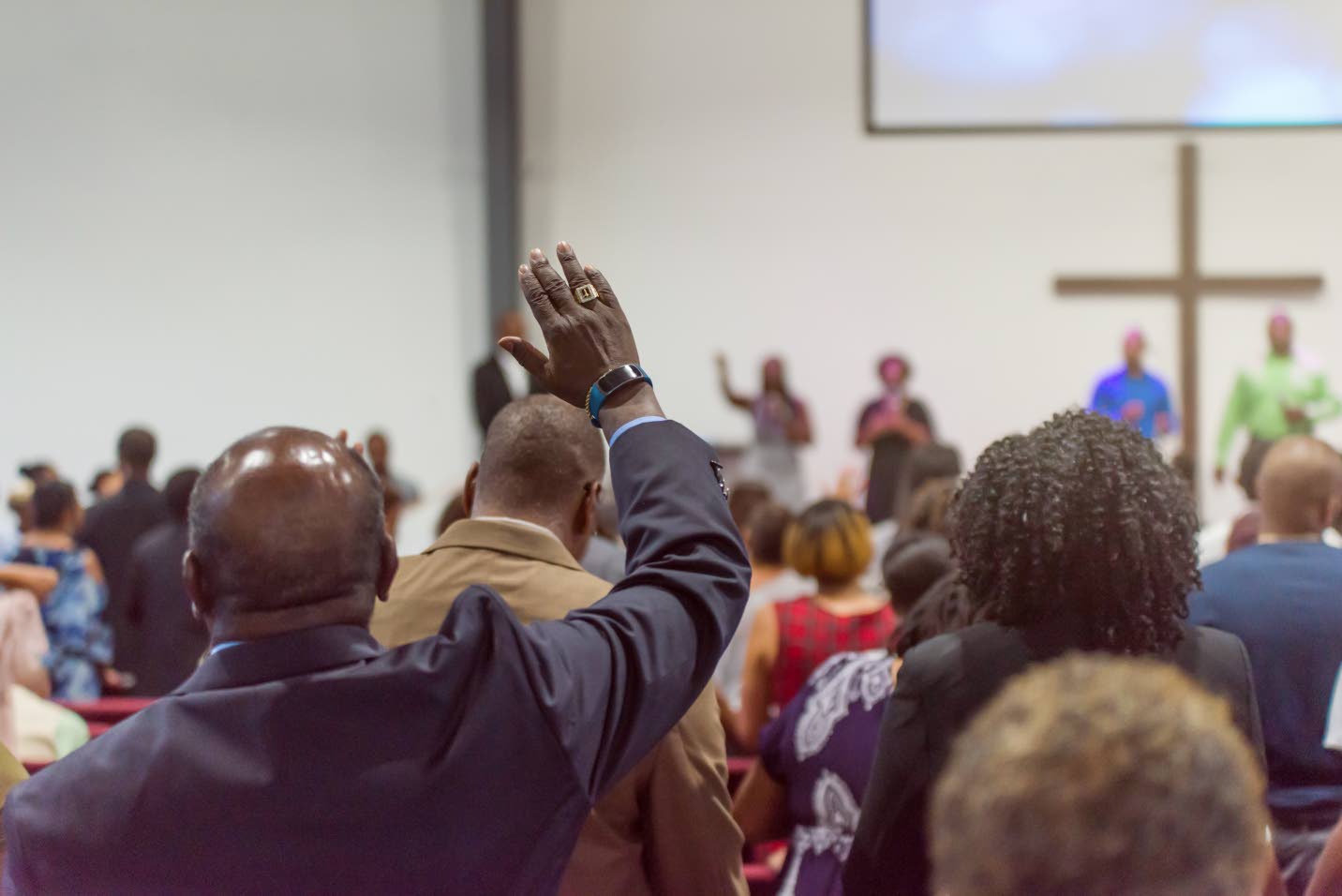
Chaplains are reporting attendance at Bible studies and prayer meetings in prison that rival church gatherings outside the walls of the institution.
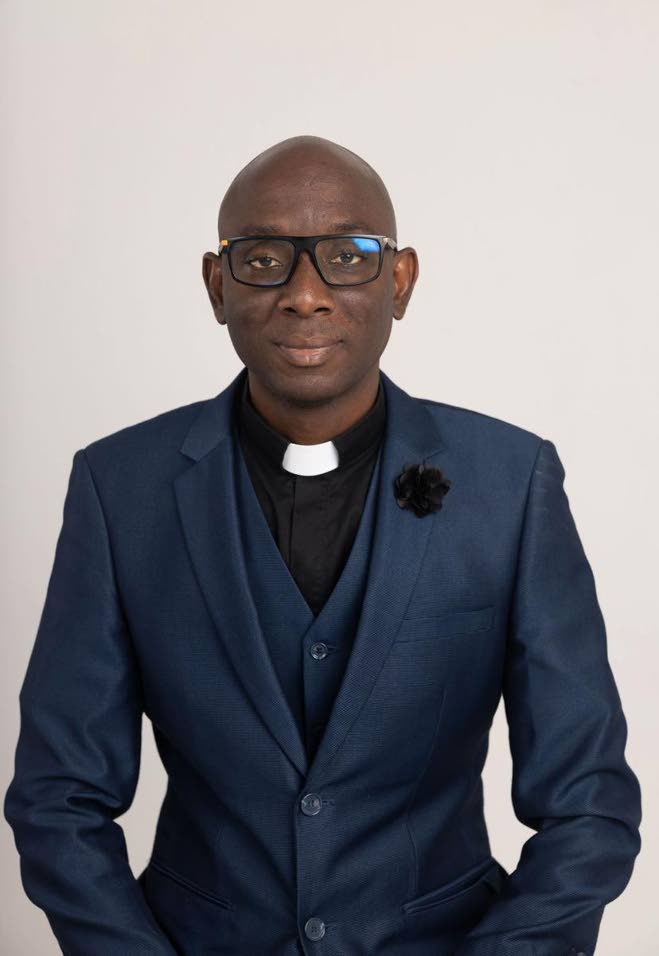
Reverend Ricardo Taylor, head chaplain at the Department of Correctional Services

Approximately 60 inmates from correctional facilities across the island give their lives to God each year.


