



Multidimensional approach needed to push bullying out of schools
Bullying in schools cannot be solved through disciplinary measures alone; it requires addressing the underlying emotional, social, and environmental factors that contribute to the harmful behaviour. Equally important is the need for collaboration among government agencies, schools, churches, community organisations, and families to rout bullying.
This is according to children and family advocates speaking at a recent forum hosted by the Association of Christian Communicators and Media (ACCM) in collaboration with Choose Life International held May 31, 2026.
The forum — held under the theme ‘Fixing the Family: Absentee Fathers, Domestic Violence, Bullying Among Children’ — comes against the background of recent violent incidents of bullying in Jamaican schools, which have reignited concerns about the safety and well-being of children and the broader social issues contributing to aggressive behaviour among youth.
Moderated by ACCM President Byron Buckley, the panel featured Denise Reid-Drisdale, guidance counsellor and president-elect of the Jamaica Association of Guidance Counsellors in Education; Sharon Coburn Robinson, principal director at the Bureau of Gender Affairs in the Ministry of Culture, Gender, Entertainment and Sport; and Dr Michael Coombs, chief executive officer of the National Association for the Family.
Recent data from the Child Protection and Family Services Agency (CPFSA) indicate that reports of bullying continue to increase, highlighting the urgency of addressing the issue. While schools often become the focal point of discussions on bullying, the panellists agreed that the problem frequently originates beyond the classroom, a release from ACCM said.
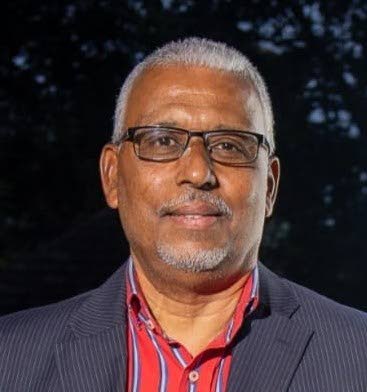
COOMBS…children thrive when they experience consistent guidance, discipline, emotional support, and positive role models
According to Reid-Drisdale, bullying affects both the victim and the perpetrator. She explained that many children who engage in bullying behaviour are attempting to gain control or are modelling behaviour they have observed in their home environments. She noted that some children struggle to understand and process their emotions, while others lack the skills needed to express themselves in healthy ways.
“The child who is being bullied is often afraid and may become withdrawn or disruptive. Every child needs to feel safe, and many children are experiencing bullying in ways they cannot manage on their own,” she said.
Reid-Drisdale stressed that schools must foster cultures of respect, accountability, and empathy while ensuring that incidents are addressed promptly and effectively. Prevention, she argued, is just as important as intervention.
Adding another dimension to the discussion, Robinson emphasised the connection between family dynamics, gender socialisation, and violent behaviour among children. She noted that children often internalise behaviour they witness at home and in their communities. Exposure to domestic violence, unhealthy relationships, and gender-based stereotypes can shape how young people interact with their peers.
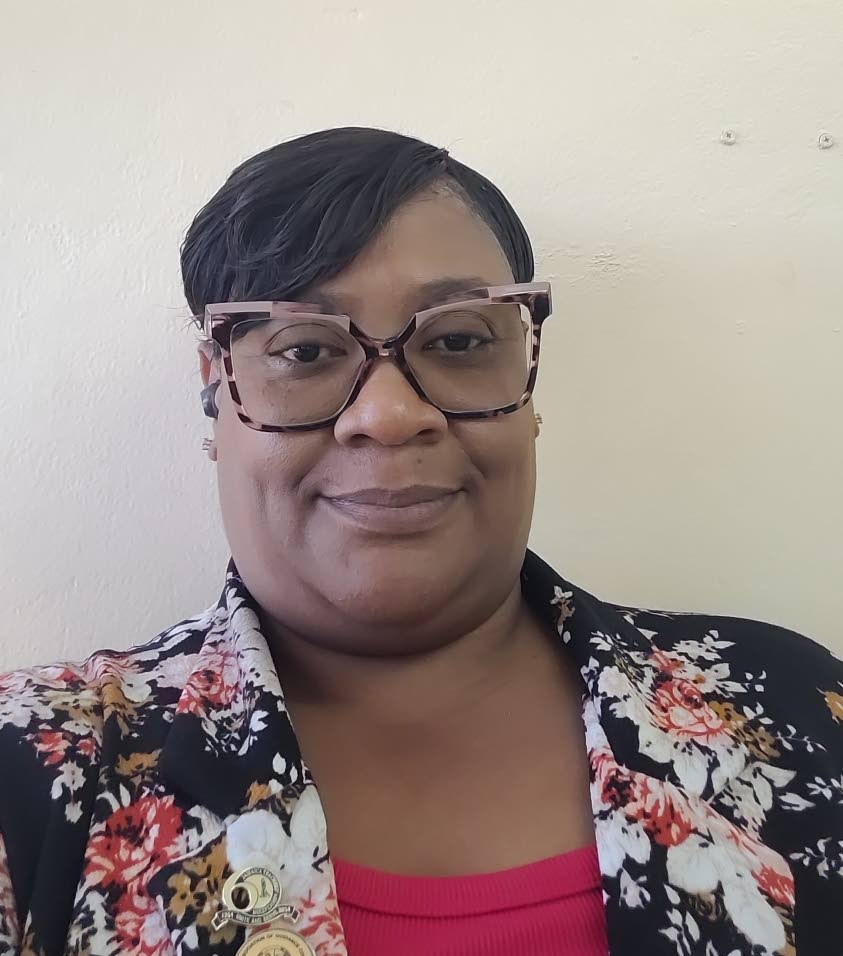
REID-DRISDALE…bullying affects both the victim and the perpetrator
“Children are constantly observing and absorbing messages about relationships, power, respect, and conflict. When violence becomes normalised in the home, it can influence how they engage with others at school and in society,” Robinson said.
Robinson argued that addressing bullying requires a whole-of-society approach that promotes healthy relationships, mutual respect, and positive conflict resolution from an early age. She underscored the importance of empowering parents, caregivers, educators, and community leaders to recognise harmful behaviour and intervene before they escalate.
Dr Michael Coombs highlighted the critical role families play in shaping children’s emotional and social development. He pointed to the impact of absentee parenting, fractured family relationships, and inadequate support systems on children’s behaviour and overall well-being.
“The family remains the first institution of learning. It is within the family that children develop values, learn discipline, and form their understanding of relationships,” Dr Coombs said.
According to Dr Coombs, children thrive when they experience consistent guidance, discipline, emotional support, and positive role models. When these elements are missing, children may become more vulnerable to both victimisation and aggressive behaviour. He stressed that strengthening families must remain a national priority if Jamaica hopes to address many of the social challenges affecting its youth.
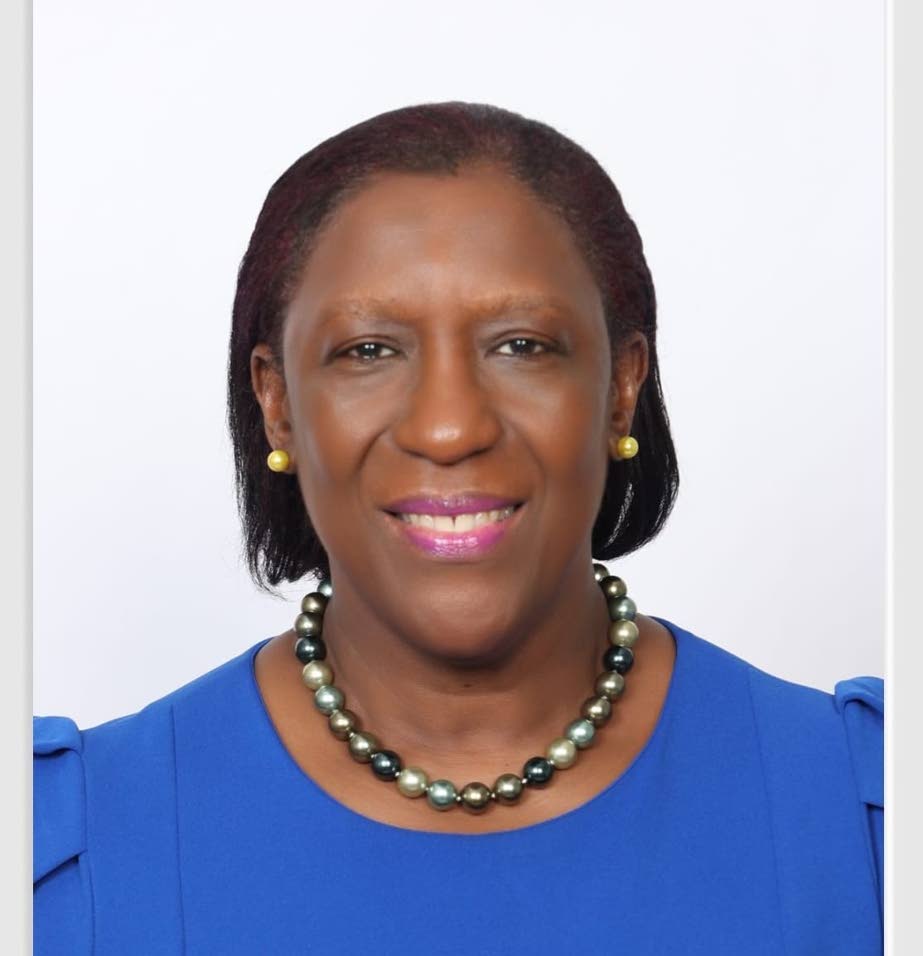
ROBINSON…children are constantly observing and absorbing messages about relationships, power, respect, and conflict
“When children do not receive the support, affirmation, and guidance they need at home, they often seek validation elsewhere. This can increase their vulnerability to negative influences and unhealthy behaviours,” he explained.
The discussion also examined how schools and authorities can respond more effectively. The panellists agreed that guidance counselling services, social interventions, parental support programmes, and early behavioural assessments are all critical components of a comprehensive strategy. They emphasised that students must have access to safe reporting mechanisms and trusted adults who can provide support when bullying occurs.
The forum concluded with a call for renewed focus on family life and child development. While bullying remains a serious concern in Jamaican schools, the panellists maintained that meaningful solutions are possible when families, educators, policymakers, and communities work together.
The forum was held as part of Choose Life International’s weekly webinar series which is streamed on its social media platforms.


