



More flights coming as rooms rebound, says Bartlett
REMINDING Parliament that a room shortage and reduced airlift into the country slowed the recovery of Jamaica’s tourism sector in the aftermath of last October’s Hurricane Melissa, portfolio minister Edmund Bartlett has given an assurance that efforts are under way to welcome more flights in anticipation of more rooms returning to service.
He was speaking Tuesday during his contribution to the 2026/27 Sectoral Debate in the House of Representatives.
According to Bartlett, the new wave of air connectivity includes expanded service by Virgin Atlantic from Heathrow to seven weekly flights, British Airways from Gatwick to four weekly flights, and Copa Airlines from Panama to 14 weekly flights by January 2027.
It also includes new services from Wingo out of Medellin; Breeze out of Tampa; Porter out of Toronto, Ottawa and Hamilton; Air Canada from Halifax, Ottawa, Edmonton, and Winnipeg; along with enhanced regional connectivity from Guadeloupe.
Bartlett shared that through March 2026 recovery was being hobbled by access to approximately 70 per cent of air seat capacity and 70 per cent of room stock.
“But rather than retreat, we moved deliberately to stimulate demand, protect market share, maintain airline and trade confidence, and ensure that as rooms returned, visitors would be ready to return with them,” he said.
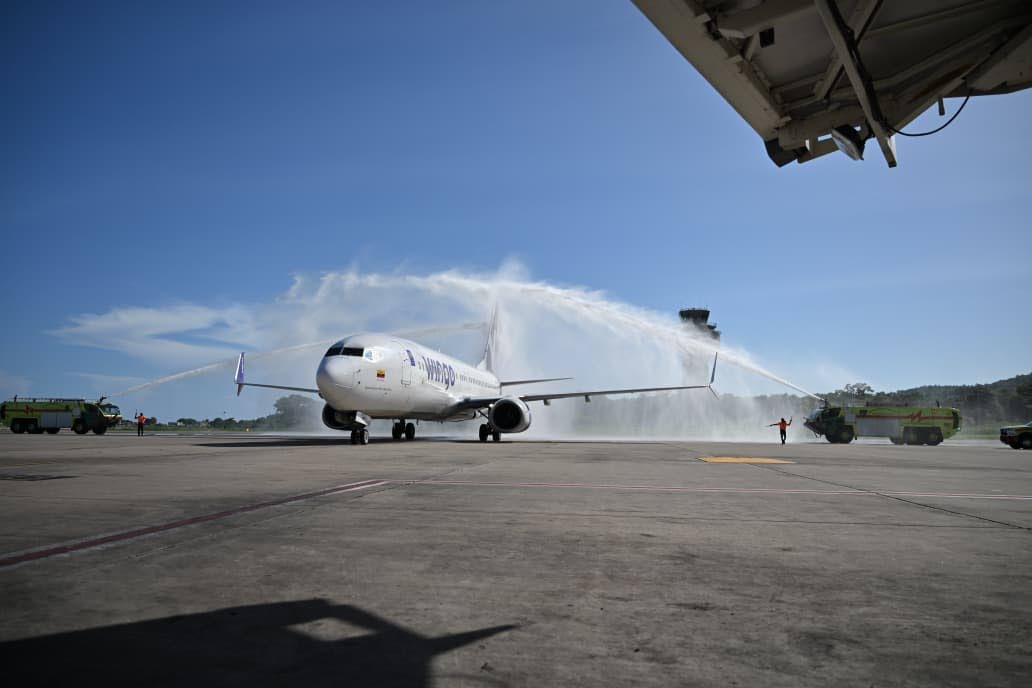
File: Wingo Airlines’ inaugural flight from Colombia receives a traditional water cannon salute upon arrival at Sangster International Airport in Montego Bay.Photo: JTB
The minister said he and the Jamaica Tourist Board (JTB) moved quickly to recalibrate strategy.
“We went back into the market with urgency and purpose, reigniting destination marketing and advertising across our major source markets — the United States, Canada, the United Kingdom, Europe, and Latin America,” said Bartlett.
He highlighted that despite the challenges faced in 2025, Jamaica welcomed 3.7 million visitors — 2.6 million stopover and 1.1 million cruise passengers — with estimated gross foreign exchange earnings of US$4 billion.
“Even under extraordinary shock, Jamaica delivered visitors, foreign exchange, and sustained economic activity across communities, enterprises, and households,” said the minister as he emphasised that the decline seen post-Melissa was not caused by a diminishing of love for the destination.
“It was not caused by a loss of demand for Jamaica. It was caused by an extraordinary interruption to a destination that was already growing,” he insisted.
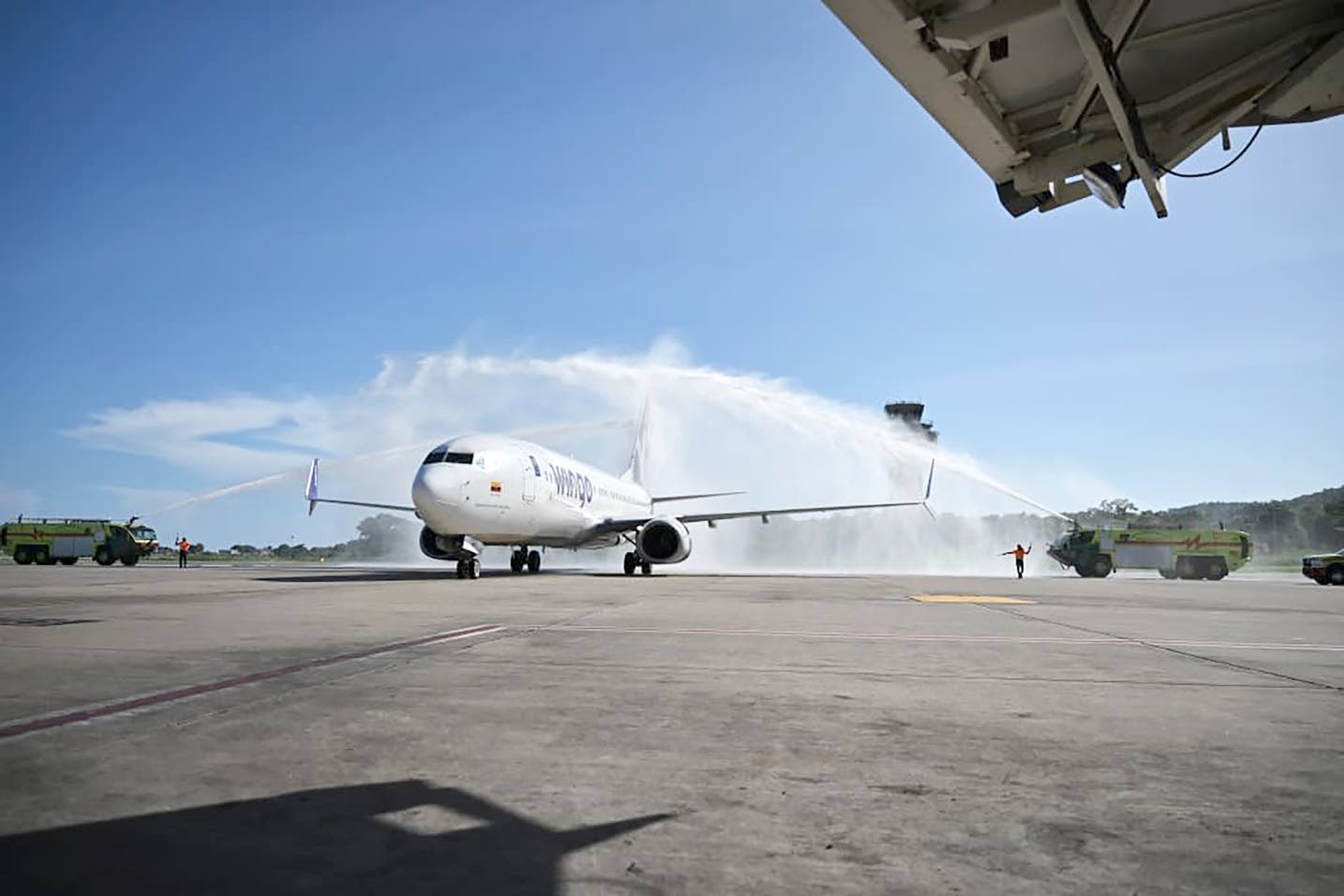
Wingo Airlines’ inaugural flight from Colombia receives a traditional water cannon salute upon arrival at Sangster International Airport in Montego Bay on
The tourism minister told Parliament that the strength of Brand Jamaica is also visible in the airlift data.
In 2025, Jamaica’s two major international airports handled 3,879,579 total air seats, generating 3,127,575 passenger arrivals, with an overall load factor of 80.6 per cent. Montego Bay remained the primary gateway, accounting for approximately 69 per cent of total airlift and 72 per cent of passenger arrivals, with a load factor of 83.3 per cent.
Bartlett argued that while capacity constraints remain real, the recovery is moving with purpose. “As of mid-April 2026 Jamaica’s hotel capacity was projected to recover to more than 80 per cent by summer 2026, with approximately 5,648 hotel rooms scheduled to reopen across the destination during the year.
“We saw that clearly as major properties reopened and 80,000 plus hotel workers returned to work. Rooms came back into inventory but, more importantly, jobs came back into Jamaican households,” he said.
Bartlett told the House that the Tourism Recovery Task Force, which he appointed on the heels of the hurricane, led the rebuilding process while the Jamaica Tourism Cares Committee mobilised partners, coordinated relief, and supported the people “who are the backbone of the visitor economy”.
“Through that effort more than 500 pallets of critical relief supplies were mobilised alongside in-kind support valued at approximately US$15 million, or more than $2.3 billion. In addition, 6,000 care packages were mobilised for affected tourism workers, with further support reaching 8,000 workers in the first quarter of 2026,” Bartlett said.


