



Diaspora dollars pour into Jamaican real estate
REAL estate appears to be absorbing the largest share of investment from Jamaica’s Diaspora, based on interviews with mortgage providers, real estate firms and investment facilitators.
The finding comes despite the absence of any official measure showing how much diaspora investment reaches the island or which sectors attract the most capital. While successive Jamaican governments have long encouraged overseas Jamaicans to invest back home, the institutions working most closely with overseas Jamaicans say property continues to attract the greatest share of investment interest. VM Group, one of Jamaica’s largest mortgage lenders with an established presence across key diaspora markets, recorded a 25 per cent increase in mortgage loans to diaspora real estate investors between 2024 and 2025, alongside a 23 per cent increase in new Diaspora members. The institution, which has long been a key facilitator of mortgage financing for overseas Jamaicans, says the growth reflects continued demand for property among the diaspora.
“Where we have seen a variation over the last few years is an increase in business opportunities,” said VMBS’s Leighton Smith, group chief diaspora market officer in the UK.
While homeownership remains the primary focus, Smith said investment interests are beginning to evolve. Younger Jamaicans overseas are increasingly looking to leverage generational wealth to establish businesses in Jamaica, with agriculture, land acquisition, and bed and breakfast developments emerging as areas of interest. That shift is also reflected in the work of real estate investor Winthrope Wellington, founder of the Throp-X Conference, an annual investment event designed to connect members of the diaspora with opportunities to invest, relocate, and build wealth in Jamaica. Through the conference, diaspora investors have facilitated more than US$10 million in real estate transactions at each staging, purchasing land and residential units while increasingly pooling capital to acquire underutilised hotels in Negril for redevelopment into condominiums. Wellington said he launched the conference after becoming concerned that many Jamaicans living overseas were unaware of investment opportunities back home.

VAZ…in my own real estate practice, overseas Jamaicans represent a significant and growing portion of buyer enquiries and transactions.
“My biggest fear was that Jamaicans living abroad did not know what was going on and happening in Jamaica, especially as it relates to real estate, and I saw the potential of the future of Jamaica being owned by majority non-Jamaicans,” he said in an interview with the Jamaica Observer.
One of the conference’s earliest examples of collective diaspora investment came in 2023 when about 30 attendees, most of whom had not previously known one another, pooled their resources to acquire the Coral Seas hotel in Negril for US$3 million. The transaction closed a few months after the conference, after which investors began renovating and converting the property into condominiums. Wellington said the model has since been replicated, with conference participants acquiring and redeveloping four hotels in Negril.
“We’ve turned non-performing assets in Negril into revenue-generating assets,” Wellington said.
While Wellington acknowledged that unprofessional real estate agents and poorly executed developments can damage confidence in the market, he argued that greater education and access to credible professionals are helping more members of the diaspora invest with confidence. That growing confidence is also being driven by easier access to Jamaica’s property market. According to Ingrid Vaz, realtor associate at RE/MAX Elite Realty, advances in technology have made it significantly easier for overseas Jamaicans to purchase property without travelling to the island. Virtual property tours, electronic document signing, and remote closings now allow buyers to complete much of the transaction from overseas, improving both convenience and confidence. The trend is reflected in Vaz’s own business. She estimates that roughly 70 per cent of buyer enquiries come from overseas clients, although the figure is based on her own records and is not formally tracked.
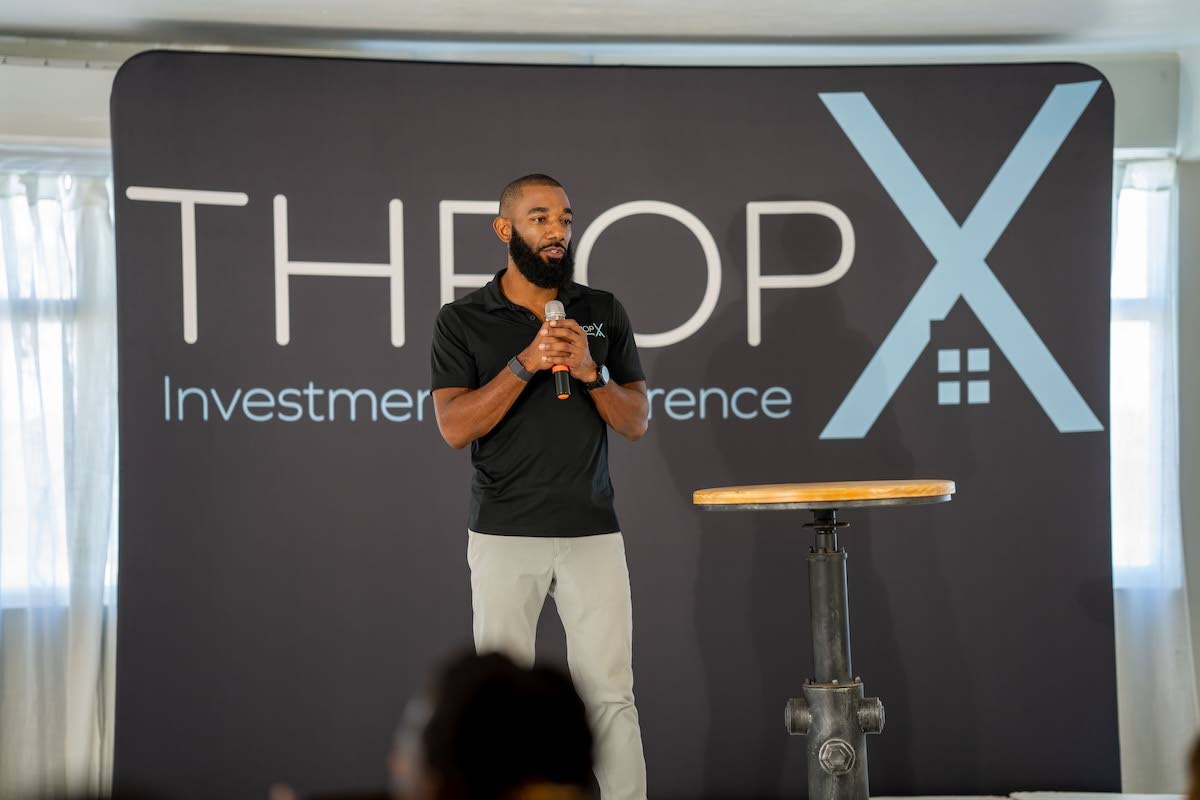
WELLINGTON…we’ve turned non-performing assets in Negril into revenue-generating assets.
“In my own real estate practice, overseas Jamaicans represent a significant and growing portion of buyer enquiries and transactions,” Vaz told the BusinessWeek. “While local buyers remain an important part of my business, I continue to see strong demand from members of the Diaspora looking to invest, retire, or maintain a connection to Jamaica.”
While Throp-X has seen investors pursue larger, income-generating assets such as hotel redevelopments, Vaz’s experience suggests the broader diaspora market remains centred on houses, apartments, condominiums, townhouses and vacation homes, with residential land attracting comparatively less demand. Increasingly, however, investment-minded buyers are acquiring apartments and townhouses to generate rental income while benefiting from long-term capital appreciation. Although non-Jamaican buyers remain active, particularly in tourism-orientated and luxury markets, overseas Jamaicans account for the majority of her international enquiries. Demand remains strongest among Jamaicans living in the United States, Canada and the United Kingdom.
“Many initially purchase homes for parents or other family members, or to secure a residence for their eventual return to Jamaica,” she said. “I also believe many overseas Jamaicans are viewing Jamaican real estate as a long-term wealth-building asset while securing a future home for retirement or family.”
Demand in Vaz’s practice remains strongest in Kingston and St Andrew, St James and St Ann, while Manchester, St Mary and Portland continue to attract growing interest from different segments of the diaspora.


